
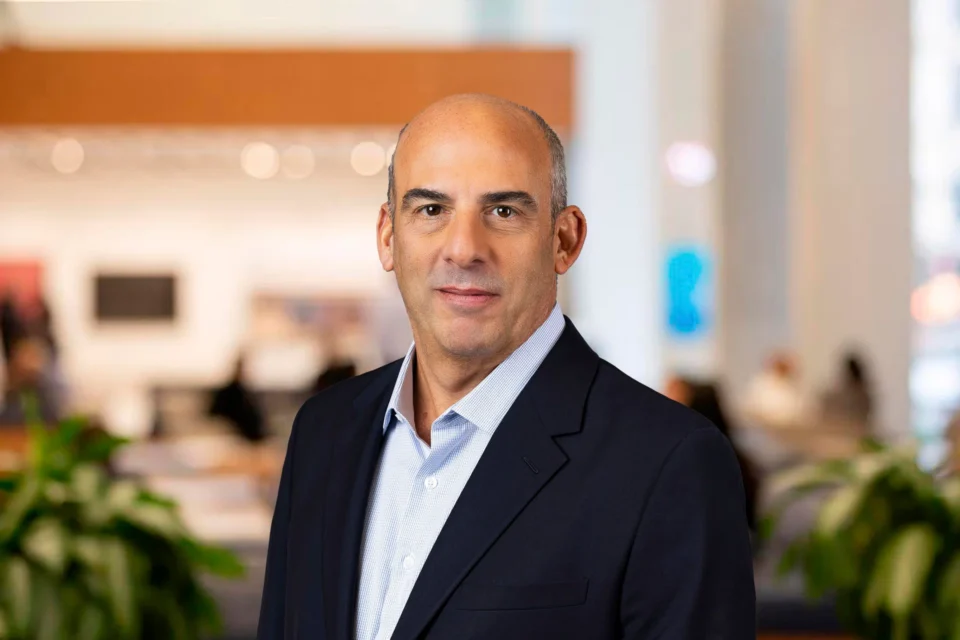
Options have become a growing focus within FX as trading activity accelerates, making it a priority for the Wall Street bank
Published Fri, May 8, 2026 · 11:03 AM
[SINGAPORE] Citigroup is expanding its foreign-exchange (FX) business with hedge fund and private-equity clients, part of a broader push as global trading volumes rise.
The bank sees the two segments as key opportunities, given its established position in corporate and real-money flows, said Flavio Figueiredo, Citi’s global head of FX trading, in an interview in Singapore. The strategy is to defend areas where it already has a strong footprint, and “attack the segments where we have low penetration”, he said.
That effort targets hedge funds and financial sponsors, including private-equity and venture-capital firms that finance acquisitions, growth and restructurings. To support the push, the bank plans to expand its global FX sales and trading teams by 4 to 5 per cent this year, according to New York-based Figueiredo, who took on his current role in 2023.
Recent hires include Jerry Minier in London, former co-head of G10 currency trading at Barclays, who joined as global head of linear G10 FX trading and FX trading head for the UK and EMEA. Citi also added staff in its FX options business, including Nicky Lam in Singapore, Andrew Poray in New York and Gordon Craib in London.
Options have become a growing focus within FX as trading activity accelerates, making it a priority for the Wall Street bank. Average daily turnover of FX options more than doubled from 2022 to 2025, according to the Bank for International Settlements’ triennial FX survey.
Alongside hiring, Citi is investing in its electronic distribution platform, which allows liquidity providers such as banks and market makers to stream prices to clients and execute trades electronically, Figueiredo said.
SEE ALSO

Navigate Asia in
a new global order
Get the insights delivered to your inbox.
Dollar positioning
Turning to markets, Figueiredo said that positioning in the US dollar remains broadly neutral. He expects market participants to resume selling the greenback once the US-Iran war is resolved, given with their pre-war bias. Over the medium term, however, the US dollar could outperform peers as US growth is seen as less vulnerable to the conflict than other economies.
Carry trades remain a bright spot, he said, as investors continue to borrow low-yielding currencies to invest in higher-yielding ones. An end to the war would likely spur renewed demand for high-yield currencies, including the Brazilian real, Colombian peso, South African rand and Mexican peso.
Figueiredo also pointed to strong pre-war interest in frontier currencies, including the Nigerian naira and Egyptian pound, which could see renewed inflows once tensions ease. BLOOMBERG
Decoding Asia newsletter: your guide to navigating Asia in a new global order. Sign up here to get Decoding Asia newsletter. Delivered to your inbox. Free.