
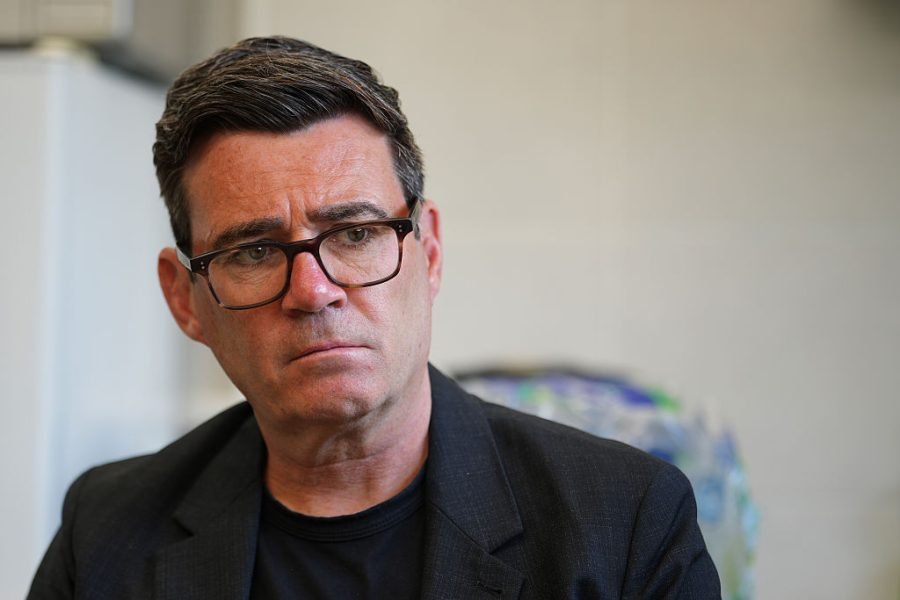
If we have learned anything from the Makerfield by-election campaign it is what a slippery character Andy Burnham is. Last September, in an interview with the New Statesman, you may remember, he said that ‘We’ve got to get beyond this thing of being in hock to the bond markets.’ The bond markets themselves responded immediately by reminding Burnham that governments spite them at their peril. Yields rose sharply as investors, who were already taking Burnham seriously as a potential prime minister, feared that a government under his control would borrow recklessly and lose control of public finances.
And now? Burnham claims that it was all a horrible mistake; he was misunderstood. ‘My argument was always that politicians have left the country in hock,’ he said in an interview with the Guardian:
If you give up, as we did, the levers of control, then you end up losing control of public spending and not able to get a productive, efficient state as a result.
In other words, what he really meant was that governments have borrowed too much money over the past decades. Burnham would make us less dependent on bond markets by borrowing less and paying down debt, presumably with the help of the higher taxes he is proposing to inflict on the country – because he certainly hasn’t proposed spending cuts.
Burnham’s attempt to twist the truth now is not going to help rebuild his reputation with bond investors
Even higher taxes than we have already would have a seriously damaging effect on the economy, though lower borrowing certainly wouldn’t do us any harm. Is there any truth, however, that Burnham was misquoted?
The trouble is that in his original New Statesman interview Burnham was very much not proposing to pay off public debt. On the contrary, he proposed an extra £40 billion worth of borrowing in order to fund more council housing and the renationalisation of public utilities. He also suggested he would levy higher taxes on high earners and expensive properties in order to contribute to the costs of these policies.
At the time Burnham proposed this extra £40 billion of borrowing, the government was running a deficit of nearly £140 billion a year. Bond markets were already losing faith in Labour’s fiscal policy. It was hardly any wonder that Burnham’s comments were taken so badly by markets. That he should attempt to twist the truth now is certainly not going to help rebuild his reputation with bond investors.
Burnham’s capacity for spooking bond markets interestingly didn’t feature in last night’s Question Time special involving selected candidates from the Makerfield by-election. Nevertheless, the chair, Fiona Bruce, wad happy to devote time to off-colour comments made by the Reform UK candidate Robert Kenyon on a rugby club forum 15 years ago.
I know there are some people who get excited by the latter kind of tittle tattle, but I also know which has the more serious consequences for Britain. The BBC, in typical fashion, chose to run with charges of manufactured outrage while passing over something that could provoke a fiscal crisis if Burnham wins the by-election and finds himself as prime minister in a few months’ time.