
Hello Rainmakers,
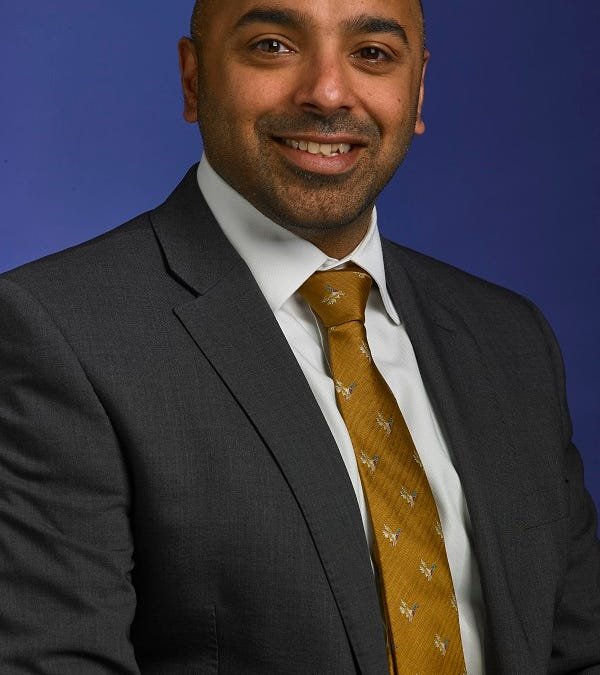
As AI reshapes professional services and skills shortages persist, KPMG’s Kal Nijjar believes the sector’s biggest responsibility may lie outside the deal process.
Rainmakers subscribers get two unique pieces a week, but also full access to our back catalogue of investigations, scoops, and insights, including updates on sector trends, like this one, insights from The Secret Investor, interviews with entrepreneurs, and the leaders from other VC and PE investors like Endless, BGF and WestBridge.
The corporate finance sector spends much of its time helping businesses navigate growth, investment, acquisitions and transformation. Yet as firms look ahead to the next decade, one challenge sits beyond dealmaking and financial performance: ensuring the next generation has the skills, confidence and opportunities needed to thrive in the economy those deals help create.
For Kal Nijjar, Nottingham Office Managing Partner at KPMG, that responsibility extends well beyond client work.
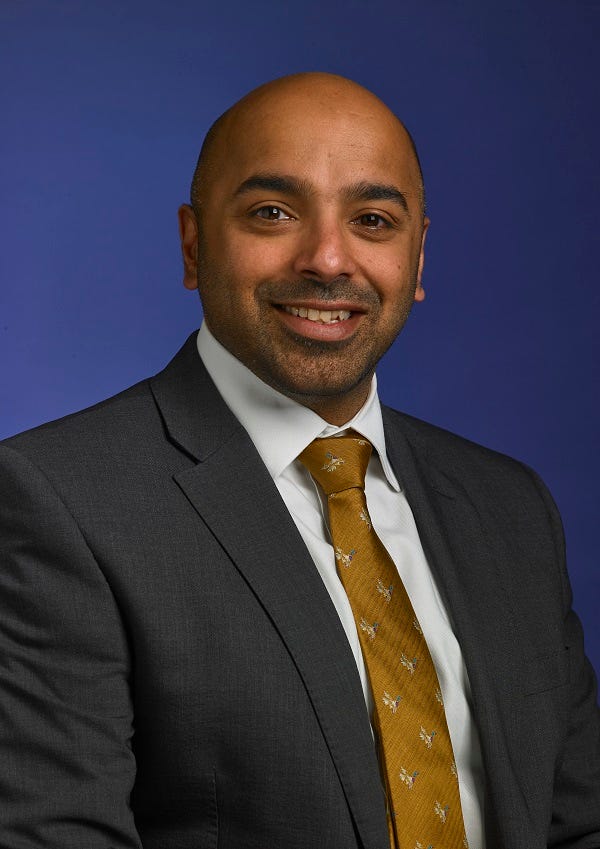
His leadership agenda is built around what he describes as the “three Cs” of clients, colleagues and communities. While the first two are familiar priorities for any professional services firm, it is the third that he believes deserves greater attention across the advisory sector.
“KPMG has been part of the East Midlands business community since the 1930s,” he says. “There is a real sense of community here, but also a real ambition for the future.”
At a time when businesses face persistent skills shortages, technological disruption and economic uncertainty, Nijjar believes professional services firms have a wider role to play in supporting the communities from which future talent, entrepreneurs and business leaders will emerge.
One of the biggest challenges he identifies sits within the profession itself. He points to those who joined organisations during the pandemic and spent the formative years of their careers working remotely.
“That’s the population where I think, if anything, that skill set has been lost,” he says. “They were effectively told: ‘Welcome, come on in. By the way, you can’t go to the office, and you’re learning to work remotely.’ That’s where the work is needed to really drive and develop those relationship skills.”
For advisers whose careers are built on trust, relationships and judgement, those skills matter.
While firms continue to invest heavily in technology, AI and digital transformation, Nijjar argues that human capital remains the profession’s most valuable asset. Technical expertise can be taught. Relationship building, commercial judgement and leadership are often developed through exposure, mentoring and experience.
That is why he believes firms need to become more active participants in their local communities.
Having previously led corporate responsibility initiatives within KPMG, Nijjar wants to deepen engagement with schools, local organisations and young people who may never have considered a career in professional services.
“How can we spark a bit of life and plant a seed around: ‘You can really do this sort of stuff’?” he asks.
::

::
For corporate finance professionals, he sees this as far more than a corporate responsibility exercise. It is an investment in the future workforce and business ecosystem on which the sector depends.