
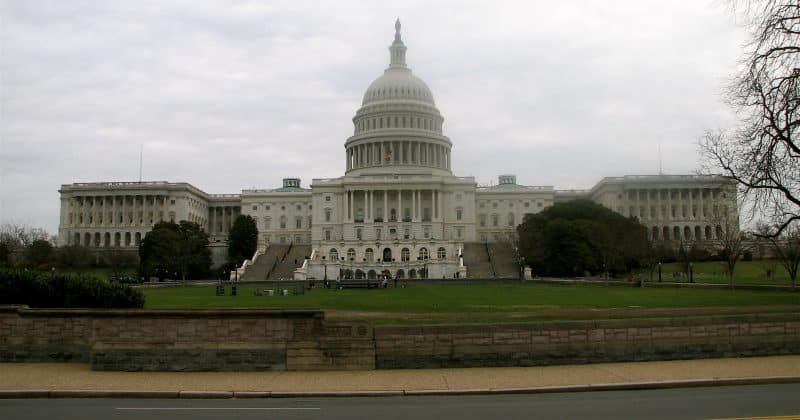
The most consequential piece of crypto legislation in US history is sitting on the Senate’s legislative calendar, and the clock is ticking. The Digital Asset Market Clarity Act, better known as the CLARITY Act, was placed on the Senate Legislative Calendar on June 1, 2026, after months of bipartisan wrangling to get it out of committee.
The question now is whether senators can find enough common ground to hold a floor vote before the 119th Congress wraps up. If they can’t, the whole process resets, and the crypto industry goes back to operating in the regulatory gray zone it’s been stuck in for years.
How the bill got here
The CLARITY Act, formally designated H.R. 3633, was introduced on May 29, 2025, by Rep. J. French Hill of Arkansas. It moved through the House with surprising momentum, passing on July 17, 2025, with a bipartisan vote of 294-134.
The Senate side has been slower, which is par for the course. The Senate Banking Committee advanced its own substitute version of the bill on May 14, 2026, with a 15-9 vote. Every Republican on the committee voted in favor, joined by Democratic Senators Ruben Gallego and Angela Alsobrooks.
Senator Alsobrooks has indicated she may need further negotiations before committing her vote on the floor, which introduces uncertainty into what looked like a clean path forward.
What the bill actually does
The CLARITY Act creates a framework that separates digital assets into two buckets: digital asset securities (or investment contracts) and digital commodities (or network tokens). The SEC would oversee the first category. The CFTC would handle the second.
The legislation builds on the foundation laid by the GENIUS Act, which addressed stablecoin regulation specifically. The CLARITY Act takes a broader approach, attempting to cover the full spectrum of digital assets and create consistent rules for how they’re issued, traded, and regulated.
The sticking points are predictable but significant. Illicit finance provisions remain unresolved, meaning lawmakers haven’t fully agreed on anti-money-laundering requirements for crypto transactions. Conflicts of interest guidelines, particularly around whether lawmakers and regulators can hold digital assets they’re writing rules for, are another friction point. And protections for decentralized finance applications are still being debated. Stablecoin yield restrictions also proved contentious during the committee markup.
Why investors should care
Prediction markets currently estimate a 59-72% chance of the bill becoming law by the end of 2026.
If the bill passes, a clear jurisdictional framework tends to make institutional capital comfortable. Banks, asset managers, and pension funds have largely stayed on the sidelines of crypto not because they lack interest, but because they lack legal certainty.
The CLARITY Act would also likely accelerate tokenization, the process of putting real-world assets like bonds, real estate, and equities onto blockchain rails, which has been hampered by the exact kind of regulatory ambiguity this bill aims to resolve.
For major assets like Bitcoin and Ethereum, the bill doesn’t mention them by name. But the classification framework it establishes would effectively determine how every digital asset is treated under US law, affecting where it can be traded, what disclosures are required, and who can buy it.
Investors watching this space should pay close attention to whether Senator Alsobrooks and other swing votes receive the concessions they’re seeking on illicit finance and DeFi protections. Those negotiations will determine whether the CLARITY Act becomes law or becomes another cautionary tale about Congress and crypto.