
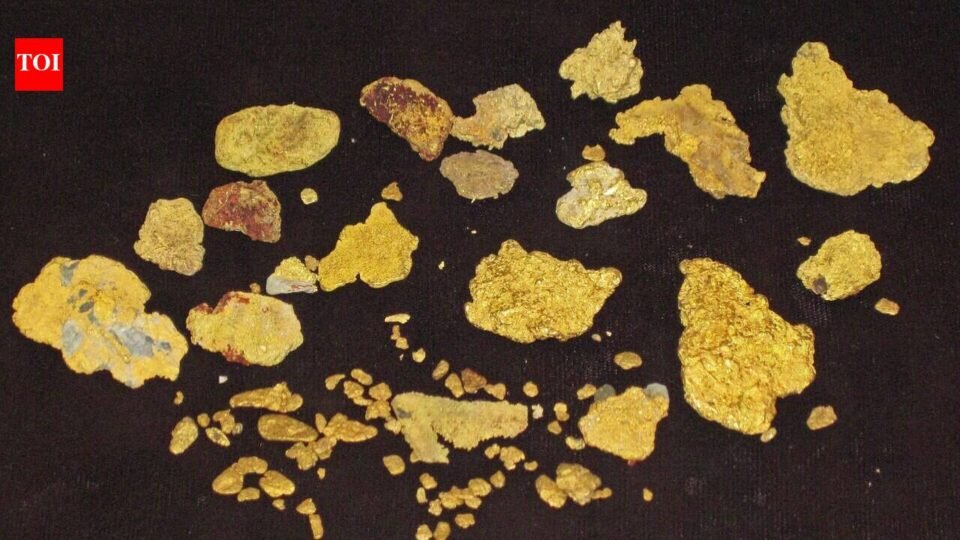
While most people think of gold mining as an underground industry, some Japanese cities have found precious metals in cremated human remains. As reported by The Guardian, in 2007, the Tokyo Metropolitan Government obtained 700 grams of gold, 500 grams of palladium, and 1.9 kilograms of silver from cremated remains, generating about 3.2 million yen (£24,700) from selling the metals, quoting an article published by Asahi Shimbun, a Japanese newspaper.The article also said Tokyo was not alone: several cities were already earning millions of yen by recovering rare elements from capped teeth and artificial bones, and one of Japan’s biggest crematoriums in Nagoya reportedly collected 12 kilograms of metals worth more than 10 million yen. The report also said that under a 1939 Supreme Court ruling, unclaimed ashes belonged to the municipality, which could legally treat the proceeds as miscellaneous income.The metals came from dental fillings, prosthetic teeth, bones and other medical implants. This is another example of urban mining, the extraction of precious metals from discarded products and waste, a practice that has become a particular focus in Japan.Where do precious metals come from in the ashes of cremated individuals?Precious metals are often used in dental and medical treatments because they are durable and long-lasting. The metal components used in dental work can include gold alloys and palladium, and medical implants might contain silver or titanium.Cremation burns away the body’s organic material, but some inorganic substances remain. These remains can be separated after family members have selected the bones they wish to keep for burial or other rites. The Japanese Ministry of the Environment says recovering and processing resources that might otherwise be treated as waste is one way to reduce Japan’s dependence on imported raw materials.
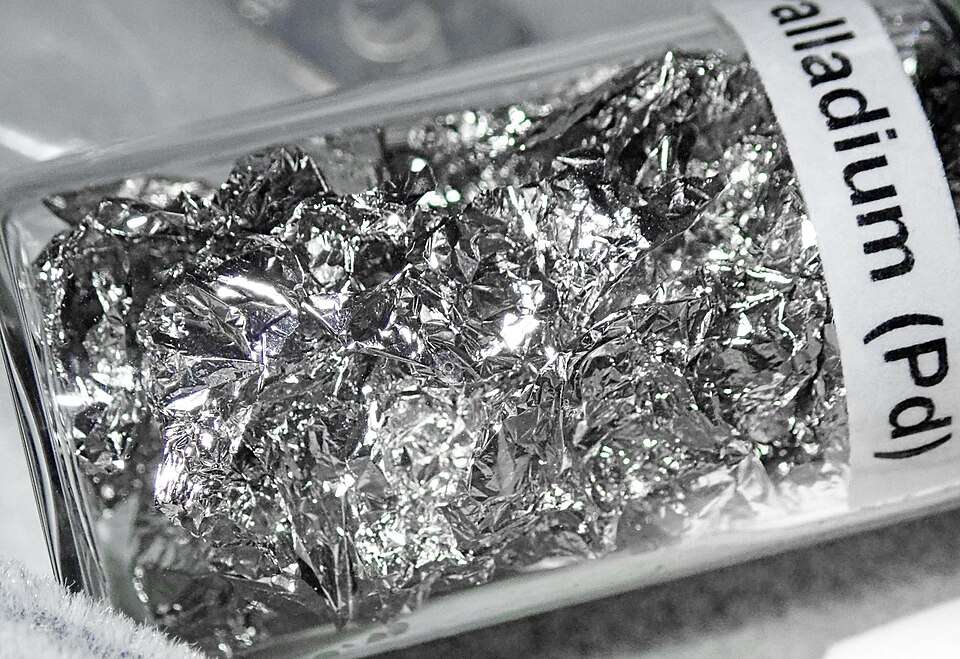
Dental work can contain gold alloys and palladium, while medical implants may be made using metals such as silver or titanium. Image Credit: Wikimedia Commons
Japan’s urban mines contain valuable metalsUrban mining extends far beyond crematoriums and includes many other waste streams. Japan has long regarded electronic goods, cars and industrial waste as potential sources of valuable resources. In 2011, a study published in Environmental Science & Technology found that there were substantial amounts of precious metals in Japan’s stock of metals in waste products, which included electronics.Researchers have described these material stocks as ‘urban mines,’ suggesting they could serve as an alternative source of resources. Japan’s recycling of electronic devices has also drawn international attention. Small amounts of gold, silver, copper and palladium in mobile phones, old computers and other devices can become economically significant when collected at scale.Ethical dilemma of extracting metals from ashesAlthough the financial opportunity has attracted public attention, the practice has also prompted ethical debate in Japan over whether cities should profit from cremation remains. The Guardian noted in 2009 that there have been complaints from citizens that human remains must be respected and should not be used for financial purposes.Experts also argued that this issue differs from ordinary recycling because the materials come from people who have died. According to Yuji Moriyama of the Japan Society of Environmental Crematory, quoted by The Guardian, even though it is legal, he feels that the remains of humans should be respected. The issue is part of a broader debate in many countries about the ethics of recovering value from human remains.The search for alternative metal sources growsThe search for alternative metal sources has grown as countries look for new supplies for electronics, renewable energy systems and electric cars. As per the report published by the International Energy Agency, demand for metals like lithium, nickel, cobalt and rare earths is expected to increase greatly because of the growth of technologies which involve clean energy.The IEA says the report is its most comprehensive analysis to date of how mineral demand and energy-transition goals intersect, framing the issue as both a supply challenge and a policy challenge. It also sets out six key recommendations for improving mineral security, including more responsible and sustainable development of mineral resources.Japan’s experience with urban mining shows that useful materials can also be found outside traditional mines. Finding gold and other valuable minerals in cremated remains is unexpected, but it reflects a broader trend toward finding resources beyond traditional mines.