
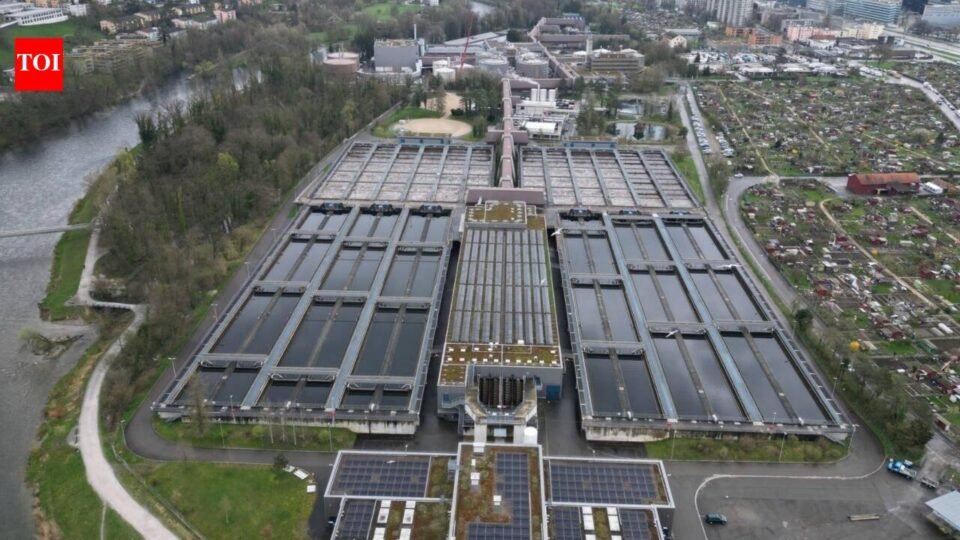
According to Eawag aquatic research, every year roughly 43 kilograms of gold and 3,000 kilograms of silver pass through Switzerland’s wastewater treatment plants. Almost none of it ever gets recovered. Researchers at the Swiss Federal Institute of Aquatic Science and Technology, known as Eawag, calculated that these two metals alone are worth close to 3 million US dollars a year. The figure comes from a nationwide study of the country’s sewage system, according to ScienceAlert’s report on the findings.How researchers actually measured metal in sewageThe Eawag team analysed 64 wastewater treatment plants across Switzerland. The work was carried out on behalf of the Swiss Federal Office for the Environment, according to ScienceAlert. Beyond gold and silver, the study also measured other elements passing through the system, including 1,070 kilograms of gadolinium, 1,500 kilograms of neodymium, and 150 kilograms of ytterbium every year. The full results were published in the journal Environmental Science and Technology, in a paper titled Quantification of Element Fluxes in Wastewaters: A Nationwide Survey in Switzerland, led by researcher Bas Vriens and a team of Eawag scientists.
CJP Jantar Mantar Protest Updates
Why the metal ends up there in the first placeSome of it comes from ordinary households, according to ScienceAlert, including small amounts of gold and silver washed away through daily use. Industry plays a real role too. Swiss public broadcaster SWI swissinfo.ch reported that researchers found elevated concentrations of gold, ruthenium, and rhodium specifically in the Jura region. They linked this to the area’s watchmaking industry. According to Swiss Info, elevated arsenic levels detected in parts of Graubünden and Valais were attributed to local geology instead. Rare earth elements like gadolinium and neodymium are increasingly common in electronics and medical imaging equipment. Small amounts inevitably wash down the drain as those products get used, cleaned, or thrown away.
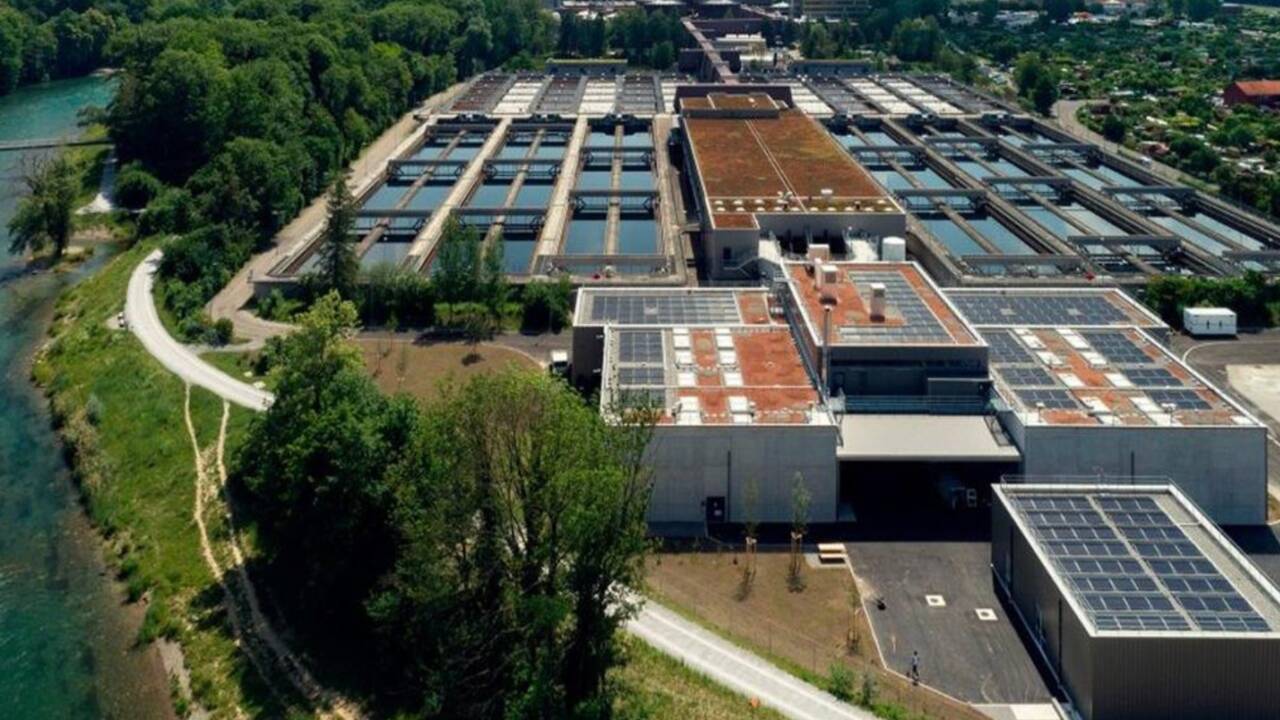
Swiss wastewater treatment plants , Credit – Eawag
Why nobody is actually mining the sewers for goldIt would be easy to assume a discovery like this means someone should start digging through sewage for treasure. The researchers concluded the opposite. According to ScienceAlert, recovering these metals from wastewater or sludge is scarcely worthwhile at present, either financially or in terms of the quantities that could actually be extracted. Consider aluminium and copper as a comparison. The total amount flowing through Swiss wastewater each year comes to just 0.2 per cent of the country’s annual aluminium imports. For copper, it is roughly 4 per cent. Neither is a large enough share to justify large-scale recovery efforts. There is one narrow exception. Swissinfo reported that gold concentrations in sewage sludge at certain sites in Ticino are high enough that recovery could actually be worthwhile there. Researchers linked this to the presence of several gold refineries in that specific region. Beyond that one local case, the study was never really about finding a hidden goldmine. It was about tracking where valuable elements actually end up once they leave our hands, which matters for environmental monitoring regardless of whether any of it is ever worth recovering.Switzerland is not the only country where researchers have made this kind of discovery. According to ScienceAlert, a separate study in the United States a few years earlier found that American sewage sludge contained gold worth around 13 million US dollars. That figure is far larger than Switzerland’s. It mostly reflects the scale of the entire US wastewater system rather than anything fundamentally different happening there. A similar pattern appears in both countries. Small amounts of precious metal wash into sewage from households and industry alike, wherever researchers have actually thought to look for it.