
Global gold prices rose by over 7%, leading to mixed results in the domestic gold market.
The gold market closed the trading week with a stark contrast to the cautious sentiment at the beginning. On August 3rd, the international spot gold price hovered around $4,030 per ounce as the market weighed inflation risks, energy prices, and the likelihood of the US Federal Reserve (Fed) continuing its hawkish monetary policy. Reuters reported that gold was primarily fluctuating between $4,000 and $4,200 per ounce at that time.
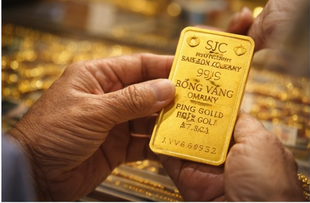
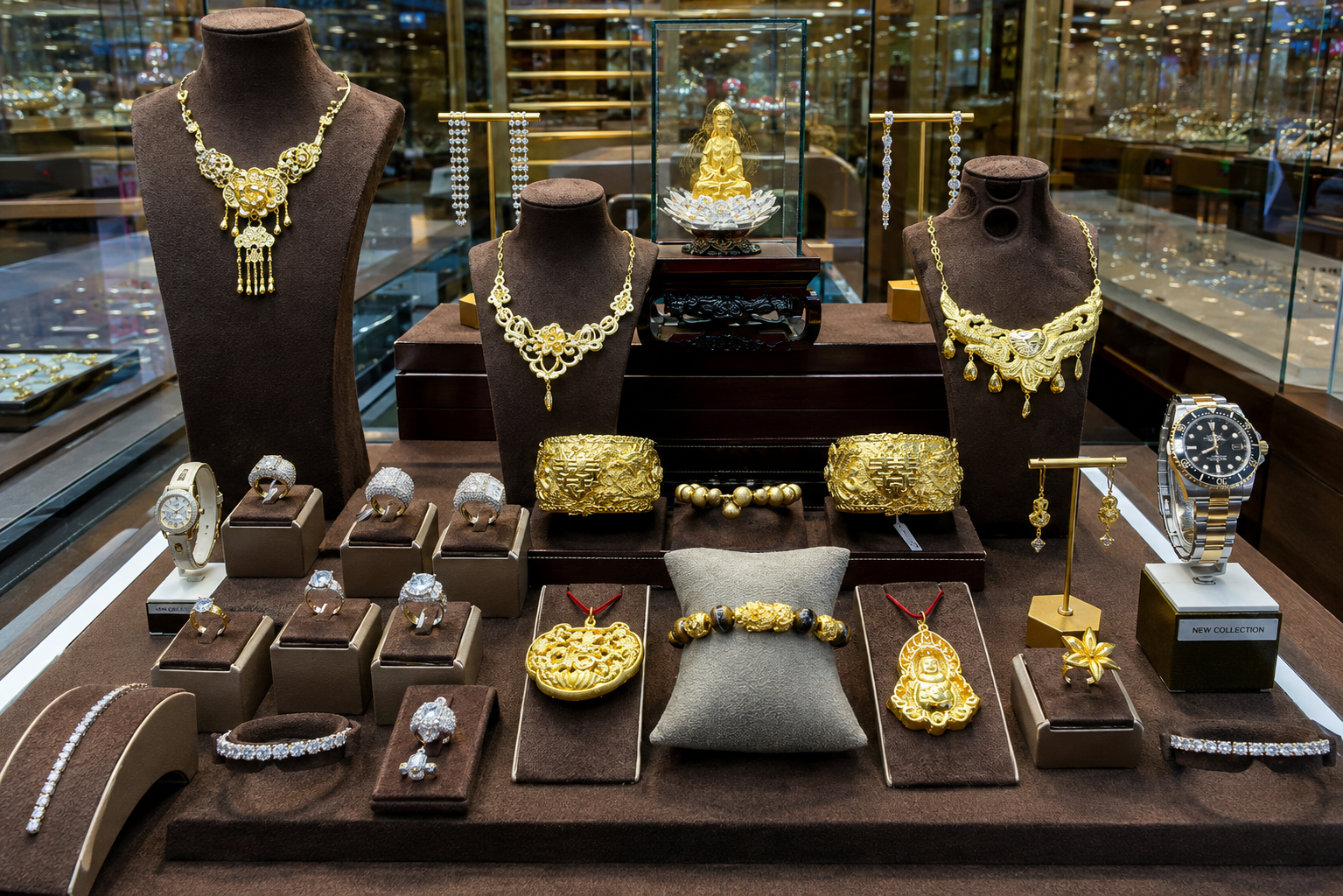
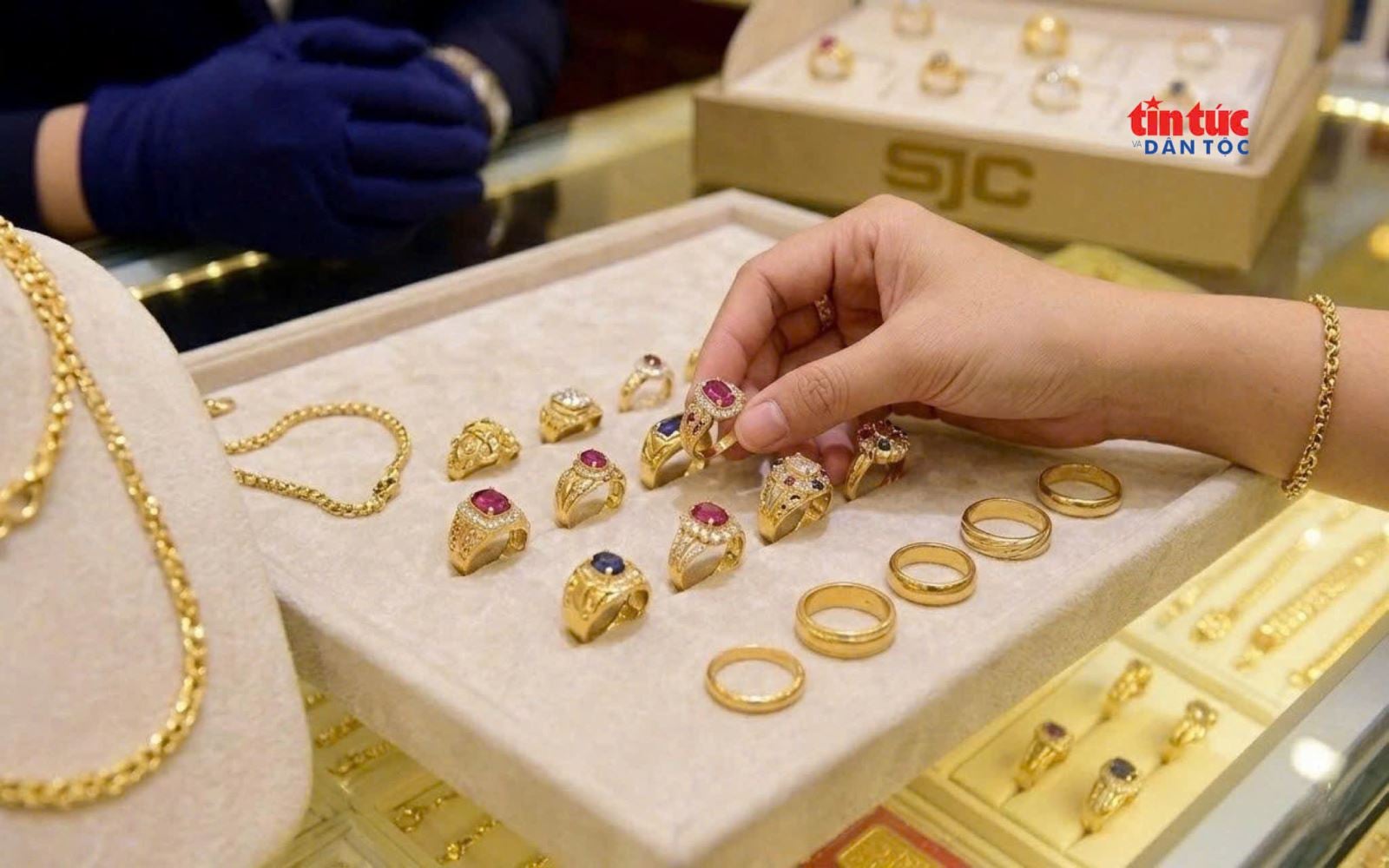
In the domestic market, the price of SJC gold bars at many popular systems is around 137 million VND/ounce for buying and 141 million VND/ounce for selling. 9999 gold rings also mainly trade around 136.5 – 142.3 million VND/ounce depending on the brand.
From mid-week, the market’s direction changed more rapidly. On August 4th, international gold prices rose by about 1% to over $4,086 per ounce as oil prices fell, somewhat easing inflation concerns and reducing expectations of an early Fed interest rate hike. After periods of gains and corrections between August 5th and 7th, the final trading session in the US pushed gold prices to their highest level in about 7 weeks.
Reuters reported that on the afternoon of August 7th (US time), spot gold rose 2.3% to $4,336.02 per ounce, at one point increasing by more than 3%; for the week, the precious metal rose more than 7%, its strongest gain since January. Some market data at the end of the session pushed the spot gold price to around $4,347 per ounce.
In Vietnam, the Simplize price list on August 9th shows a significant difference between businesses. Bao Tin Minh Chau listed gold bars at 140.6 – 144.6 million VND/ounce; DOJI at 140 – 144 million VND/ounce. SJC gold (1 ounce) was priced at 139.2 – 142.2 million VND/ounce; PNJ at 138.5 – 142.2 million VND/ounce; Phu Quy at 139.2 – 142.2 million VND/ounce. Mi Hong had a lower selling price, around 141.7 million VND/ounce.
Compared to the prevailing price of 137-141 million VND/ounce at the beginning of the week, the selling price at the end of the week increased significantly, but the increase was not uniform. At DOJI, the reference price increased by about 3 million VND/ounce in both buying and selling directions; while the SJC price increased less when using the price list from August 9th as a benchmark.
More noteworthy is the buy-sell spread. Bao Tin Minh Chau and DOJI maintain a difference of about 4 million VND/ounce, PNJ about 3.7 million VND, SJC over 3 million VND, and Mi Hong about 1.7 million VND/ounce. This means that an increase in the listed price does not necessarily mean that short-term gold buyers have made a profit.
Explaining the divergence in the domestic market, Mr. Nguyen Van The, Director of Consulting at SSI Securities Company, said that domestic gold prices do not entirely depend on global developments but are also affected by supply and demand, exchange rates, and management policies. Specifically for SJC gold bars, limited supply can cause domestic prices to fluctuate differently from international gold prices at certain times.
According to Mr. The, the correction in domestic gold prices after a sharp increase also stems from profit-taking by some investors taking advantage of the situation to realize gains. In addition, gold trading businesses tend to adjust their buying and selling prices to narrow the gap, causing gold prices to fall despite positive international trends.
This development also shows that the increase in the listed gold price does not fully reflect the actual investment return. If we take the common selling price of 141 million VND/ounce on August 3rd as a reference, by the end of the week, the buying price in the table on August 8th only fluctuated around 138.5 – 140.6 million VND/ounce. Therefore, buyers at the beginning of the week may still not break even if they resell immediately, as the price increase has been significantly absorbed by the buy-sell spread.
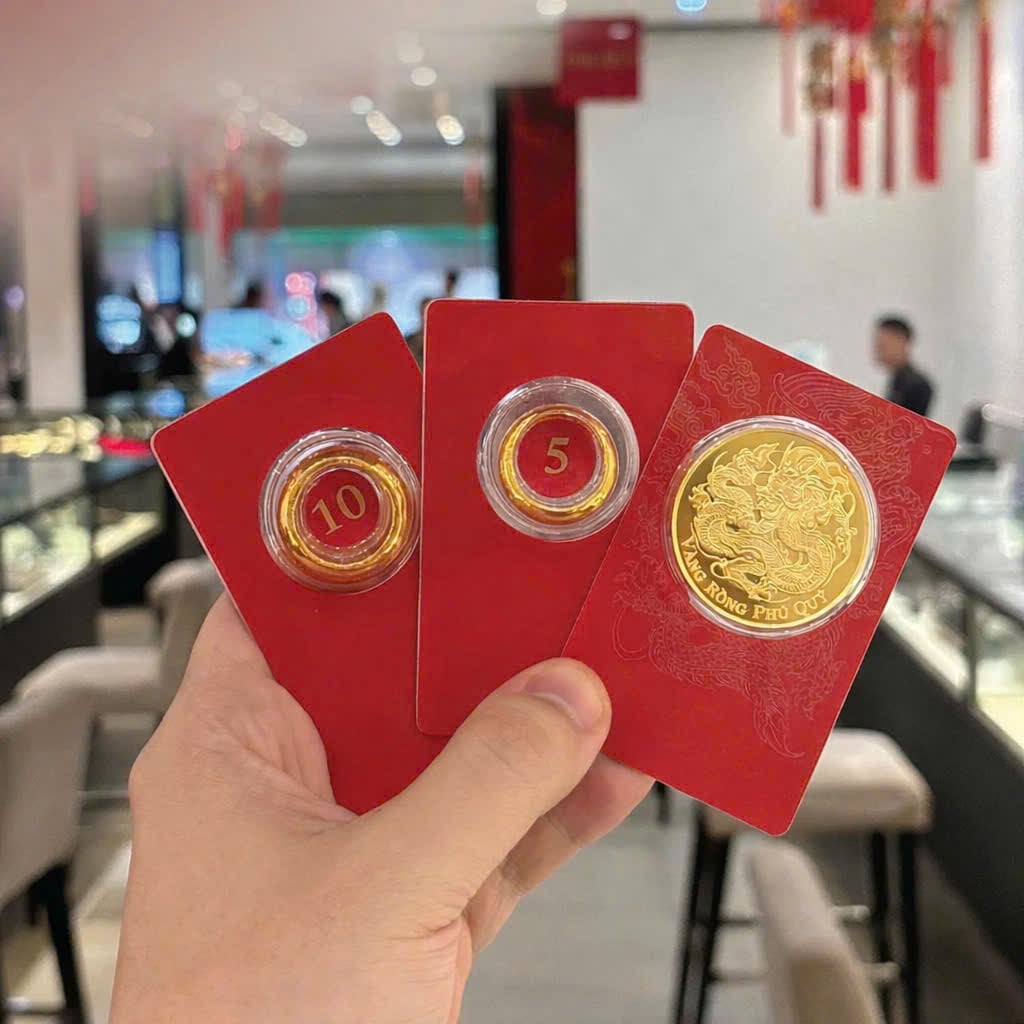
Another difference is that domestic gold prices have more closely followed international developments. With world gold prices around $4,336 – $4,347 per ounce and the USD/VND exchange rate at approximately 26,203 VND on August 8th, the world gold price, converted to raw gold, is around 137 million VND per tael, excluding taxes and fees. Compared to the domestic selling price of gold bars, which is around 141.7 – 144.6 million VND per tael, the difference is only about 4.5 – 7.5 million VND per tael depending on the business, significantly lower than the previous periods when the difference reached tens of millions of VND.
Employment data changes interest rate expectations, gold remains volatile.
The biggest driver of gold price movement at the end of the week came from the US July jobs report. According to the US Department of Labor, non-farm jobs fell by 23,000, contrary to economists ‘ forecasts in a Reuters survey of an 80,000 increase. The June jobs figure was also revised down to a 20,000 increase, while the unemployment rate remained at 4.1%.
Immediately following this data, expectations of a Fed interest rate hike in September significantly decreased. According to market data cited by Reuters, the probability of a Fed rate hike in September fell to approximately 43.9%, from 57% before the report; the likelihood of the Fed keeping interest rates unchanged increased to 56.1%. The US dollar and US bond yields both declined, thereby supporting gold – an asset that does not generate interest.

David Meger, Director of Metals Trading at High Ridge Futures, believes the weaker-than-expected jobs report makes it less likely the Fed will raise interest rates at its next meeting. He suggests that falling energy prices and a lower likelihood of further monetary tightening could put pressure on the US dollar and support gold prices.
However, the market’s reduced expectations for a September interest rate hike do not necessarily mean the Fed will soon move to easing. Thierry Wizman, global foreign exchange and interest rate strategist at Macquarie Group, suggests that the jobs data could cause the market to postpone expectations of a Fed rate hike to October or December. This is a factor to consider after gold rose more than 7% in a week.
Dr. Bui Ngoc Son, an economic expert, also believes that the Fed’s interest rate policy continues to be a major variable influencing gold prices. In recent assessments, he predicts that gold will react strongly to interest rate expectations in the short term, while in the long term it will remain supported by geopolitical risks, the demand for safe-haven assets, and the trend of diversification away from the US dollar.
Notably, Dr. Bui Ngoc Son also expressed caution when analyzing the US economy in depth. He argued that indicators such as PMI, orders, retail sales, and domestic consumption in the US are actually still maintaining good levels. Therefore, an immediate easing of interest rates by the Fed is not certain, especially since inflationary pressure could flare up again if tensions in the Middle East continue to keep crude oil prices at $90-$100 per barrel. If the Fed is forced to maintain high interest rates to curb inflation, gold prices could face downward pressure.

Looking further ahead, UBS, in a report cited by Reuters on August 7th, forecasts that gold prices could reach $5,000 per ounce in the first half of 2027. This forecast suggests that large institutions still see medium- and long-term support, although they do not rule out corrections after rapid price increases.
Next week, the market will shift its attention from employment to inflation. According to the official schedule of the U.S. Bureau of Labor Statistics, the July Consumer Price Index (CPI) will be released on August 12th, followed by the Producer Price Index (PPI) on August 13th. The July retail sales report is expected to be released on August 14th.
If inflation cools, expectations that the Fed will keep interest rates unchanged could be strengthened, further benefiting gold. Conversely, higher-than-expected CPI or PPI could cause the USD and bond yields to recover, creating a correction after a week of strong gains. For the domestic market, the buy-sell spread of 3-4 million VND/ounce across many systems remains a factor investors need to consider, especially for short-term transactions.
Source: https://baotintuc.vn/kinh-te/gia-vang-the-gioi-tang-hon-300-usdounce-trong-tuan-qua-rui-ro-ngan-han-van-lon-20260808222024462.htm