


Venture capital is a “game” that demands more than just looking at numbers. It’s also about probability, people, the market, and the ability to identify opportunities even before they fully materialize. Therefore, before learning how to invest, it’s crucial to understand how this game works.
Several venture capitalists, founders, and experts in the startup ecosystem have suggested books that can help newcomers build that foundation.
Understanding the rules of the game behind billion-dollar deals.
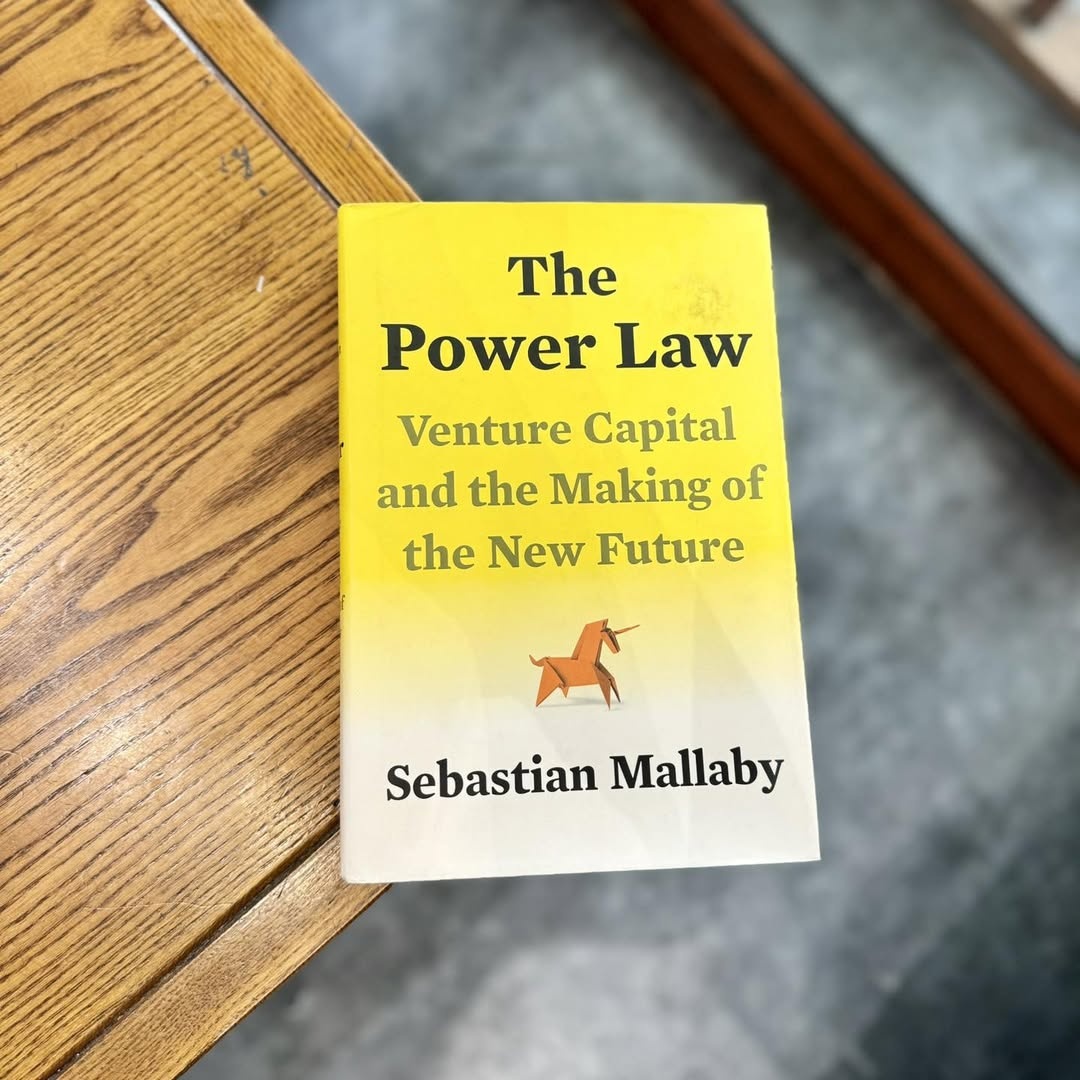
If you were to choose a book to start with, Sebastian Mallaby’s *The Power Law: Venture Capital and the Making of the New Future* would be a noteworthy candidate.
 |
|
The book The Power Law: Venture Capital and the Making of the New Future. Photo: Bookee.store. |
This book is not a textbook on how to set up a fund or read a term sheet. Instead, Mallaby traces the history of venture capital, from its early days in Silicon Valley to the rise of other technology hubs.
The most important point is right in the book’s title: “power law”—the law of power distribution. According to the author, profits are not consistently distributed evenly among investments. A very small number of exceptionally successful deals can generate the majority of value for the entire portfolio. This is also why a venture investor can accept many failed investments while still expecting good results for the entire fund.
The book emphasizes the importance of continuous exploration, experimentation, and learning from experience in the venture capital process. This is perhaps the first lesson one needs to learn before entering the game.
Understanding how money flows into startups.
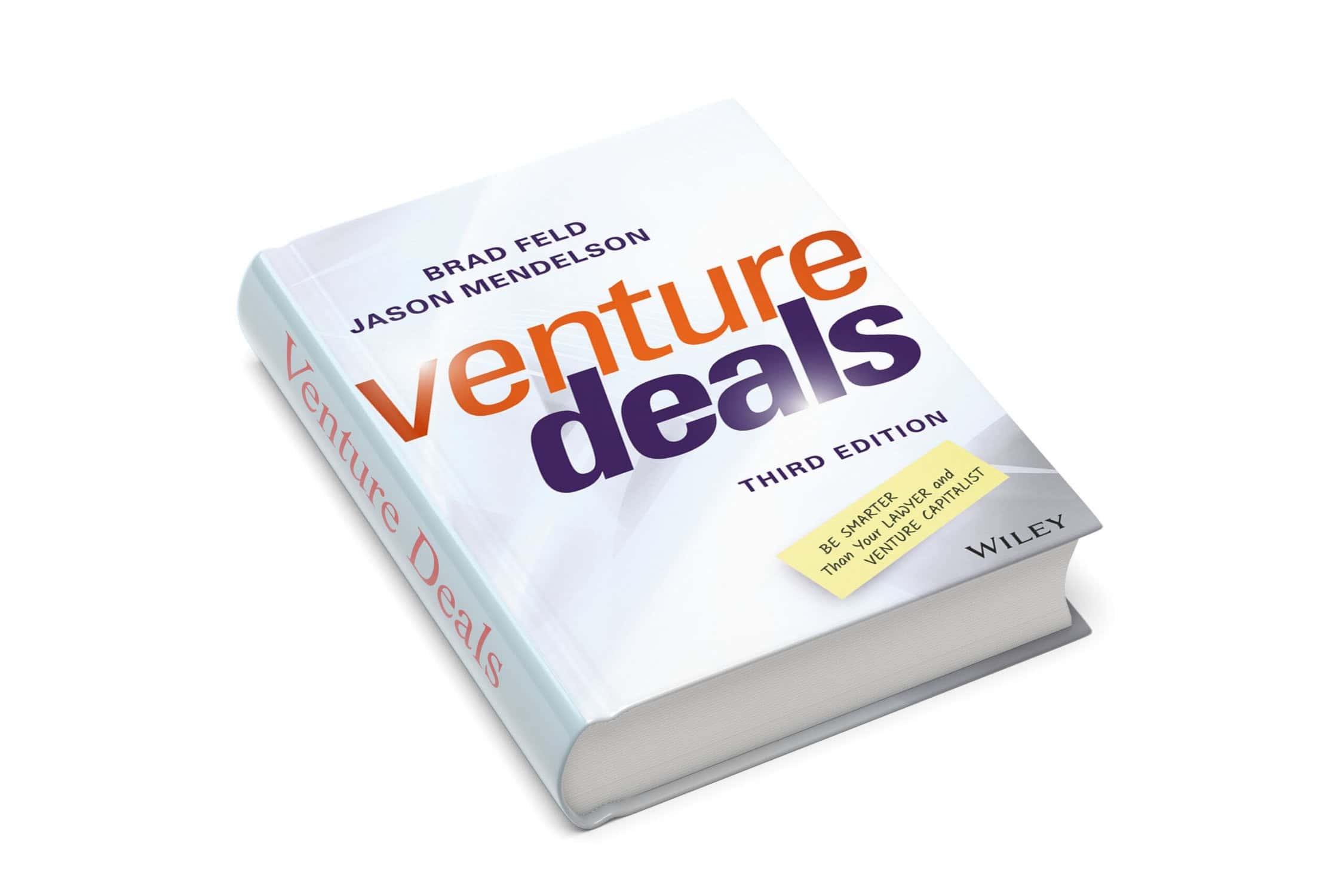
After understanding the “rules of the game,” readers can move on to Brad Feld and Jason Mendelson’s book, Venture Deals .
While The Power Law provides readers with an overview of the venture capital industry, Venture Deals delves deeper into how a fundraising deal is executed.
 |
|
The book Venture Deals by Brad Feld and Jason Mendelson. Photo: Amazon . |
The book explains common issues that arise during negotiations between startups and investors, from business valuation, equity stakes, investor rights, the possibility of reduced ownership when the company raises additional capital, to how decision-making power is divided within the business. These are all concepts that can quickly become confusing for newcomers who have never been involved in an investment deal.
According to Fred Wilson, an investor at Union Square Ventures, this book is useful for anyone involved in a venture capital venture, whether as an investor, advisor, or entrepreneur.
Don’t just look at startups from the investor’s perspective.
A common mistake made by those new to venture capital is focusing on only one question: “Is this startup worth investing in?”. However, to properly assess a fledgling business, investors also need to understand the challenges the founders are facing.
 |
|
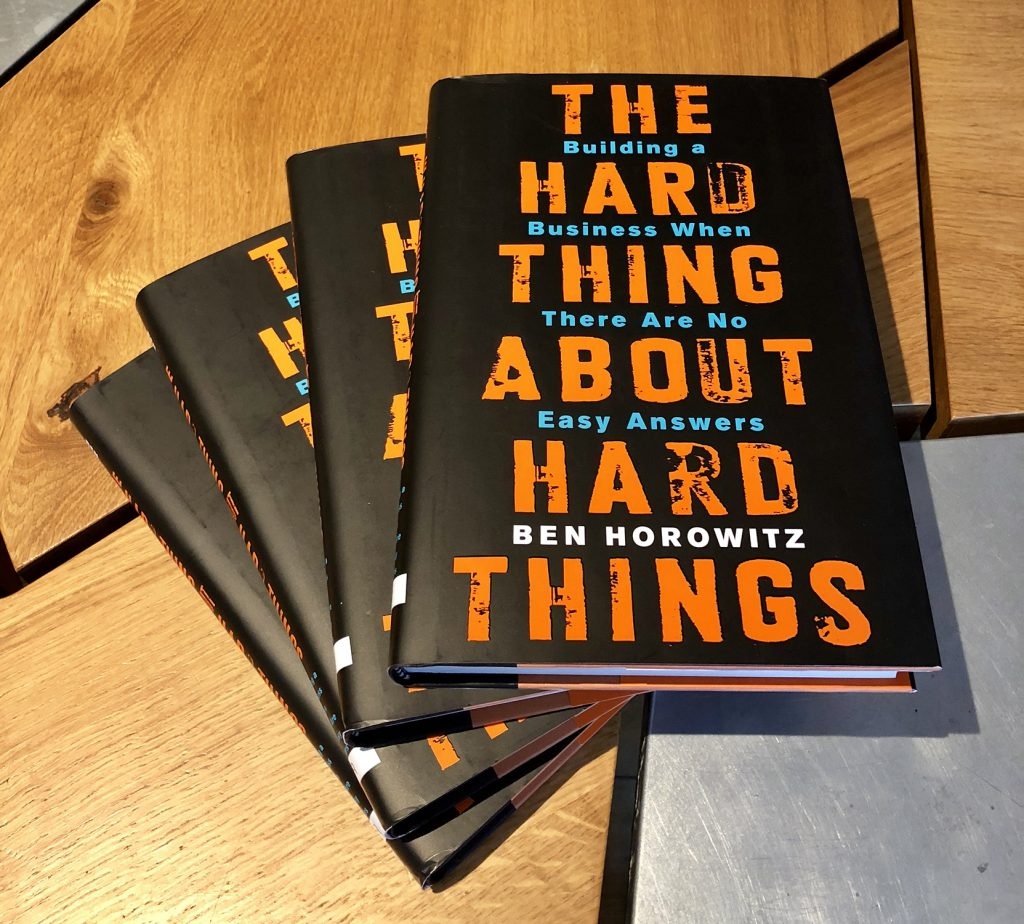
The book The Hard Thing About Hard Things. Photo: Frogcapital. |
Ben Horowitz’s *The Hard Thing About Hard Things* is a worthwhile read from this perspective. Horowitz is the co-founder of Andreessen Horowitz, a well-known venture capital fund in Silicon Valley.
Instead of offering formulas for success, the book tells the story of the difficult challenges that business leaders must solve themselves, from hiring and firing staff, handling crises, changing direction, to the pressure of growth.
The book is also highly regarded by investors. A World Economic Forum compilation noted it as the most frequently mentioned book by startup investors in a survey.
For investors, the book’s value lies in helping them see startups from the perspective of the business builders. Behind a compelling fundraising presentation and impressive growth figures is a team constantly making difficult decisions, often with little information and almost no ready-made formula to follow.
Learn how investors see an opportunity.
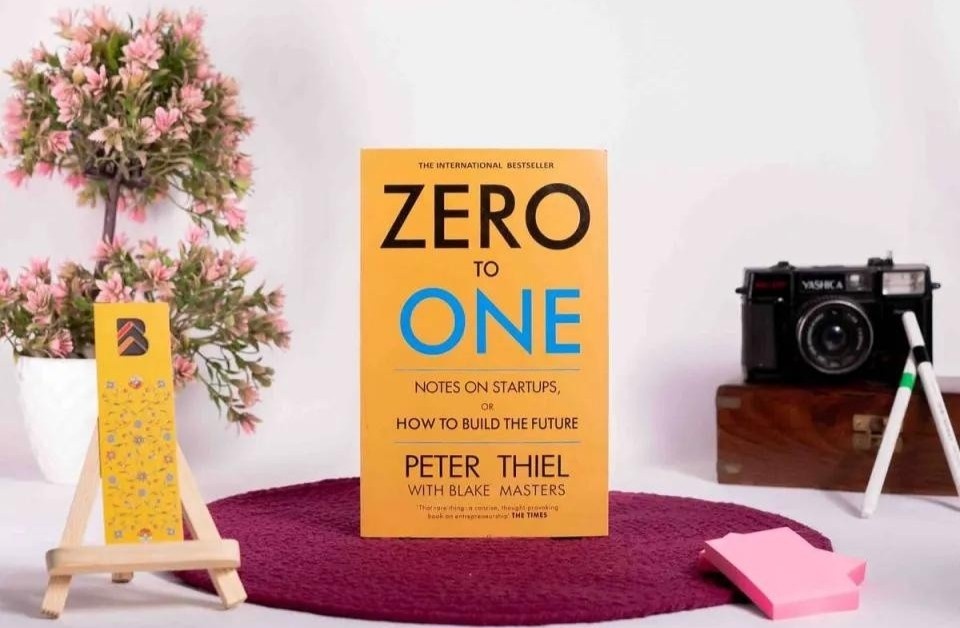
Peter Thiel and Blake Masters’ book, Zero to One, leads readers to a more important question: What is this startup creating that’s new?
 |
|
The book Zero to One . Photo: Daraz. |
Peter Thiel, co-founder of PayPal and a prominent technology investor, argues that large, valuable businesses don’t necessarily need to enter an existing market. Instead, they can create new products, open up new markets, or build a position that no other business has previously occupied.
This perspective is particularly useful for those looking to invest in startups. Instead of just looking at the size of the current market, investors need to ask: If this startup succeeds, how will the market change, and what position can the business take within that market?
However, the book should be viewed as a way to train critical thinking rather than a formula for choosing startups. A business claiming to be creating a new market doesn’t necessarily mean it will succeed. It’s crucial for investors to verify those claims against the market, the product, the founding team, and the business’s actual growth potential.
Understanding how a startup goes from idea to market.
 |
|
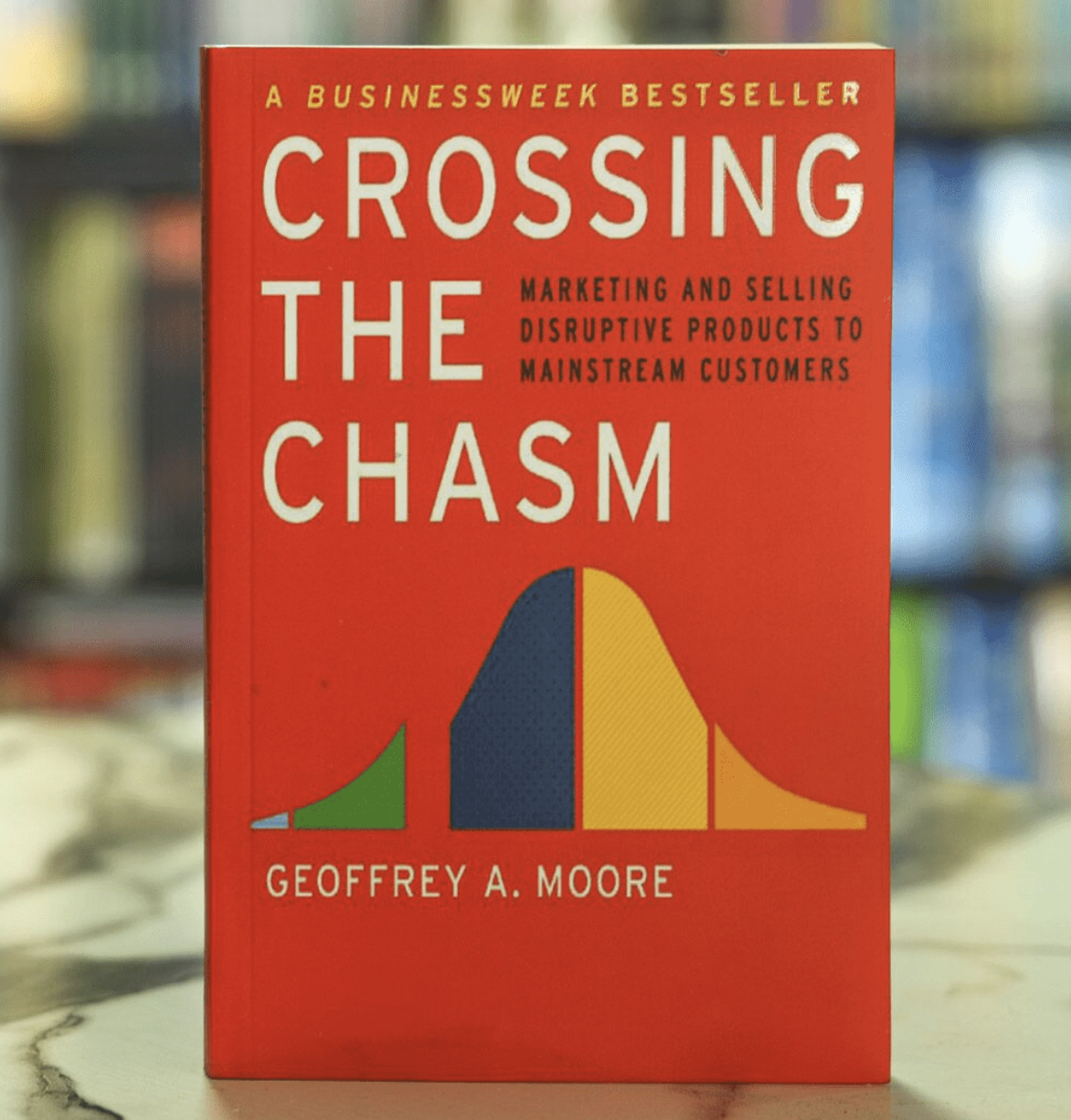
The book Crossing the Chasm. Photo: Howtoes.blog. |
The final book on the list might be Geoffrey A. Moore’s *Crossing the Chasm* . While not solely about venture capital, it addresses a crucial issue for investors: How does a new technology bridge the gap between the initial customer base and the general user base?
Satyen Sangani, CEO of Alation, recommended this book and said that its contents significantly influenced how he viewed the process of building a startup company, from identifying the right product to scaling the business.
This perspective is particularly relevant for investors who fund startups in their early stages. A product may be loved by the first group of customers, but that doesn’t guarantee it will be accepted by the wider market.
A startup with good technology doesn’t necessarily know how to get its product to customers. Similarly, a market that appears very large on paper doesn’t mean the business can actually gain market share.
The gap between a beloved product and a business that can scale up is something investors need to learn to identify.
Source: https://znews.vn/tu-sach-nhap-mon-dau-tu-mao-hiem-post1676755.html