
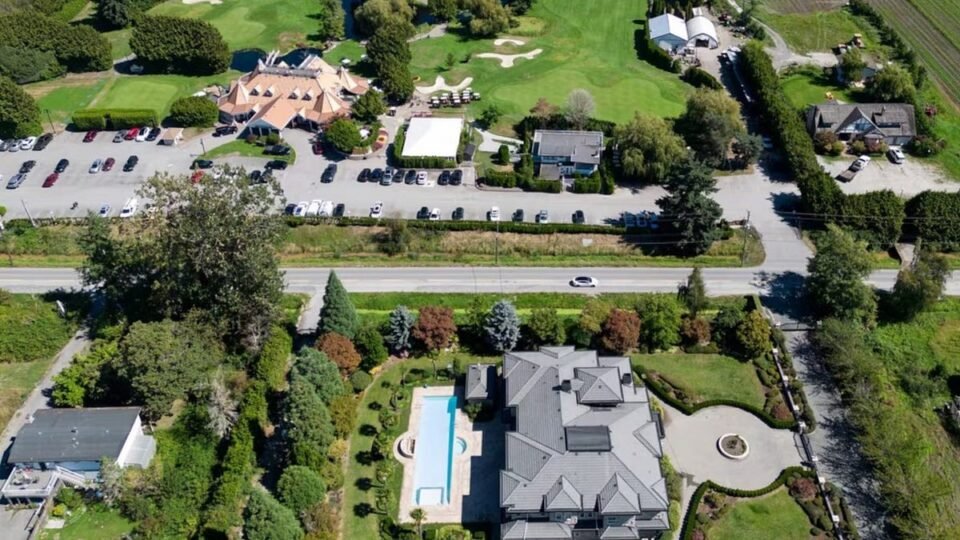
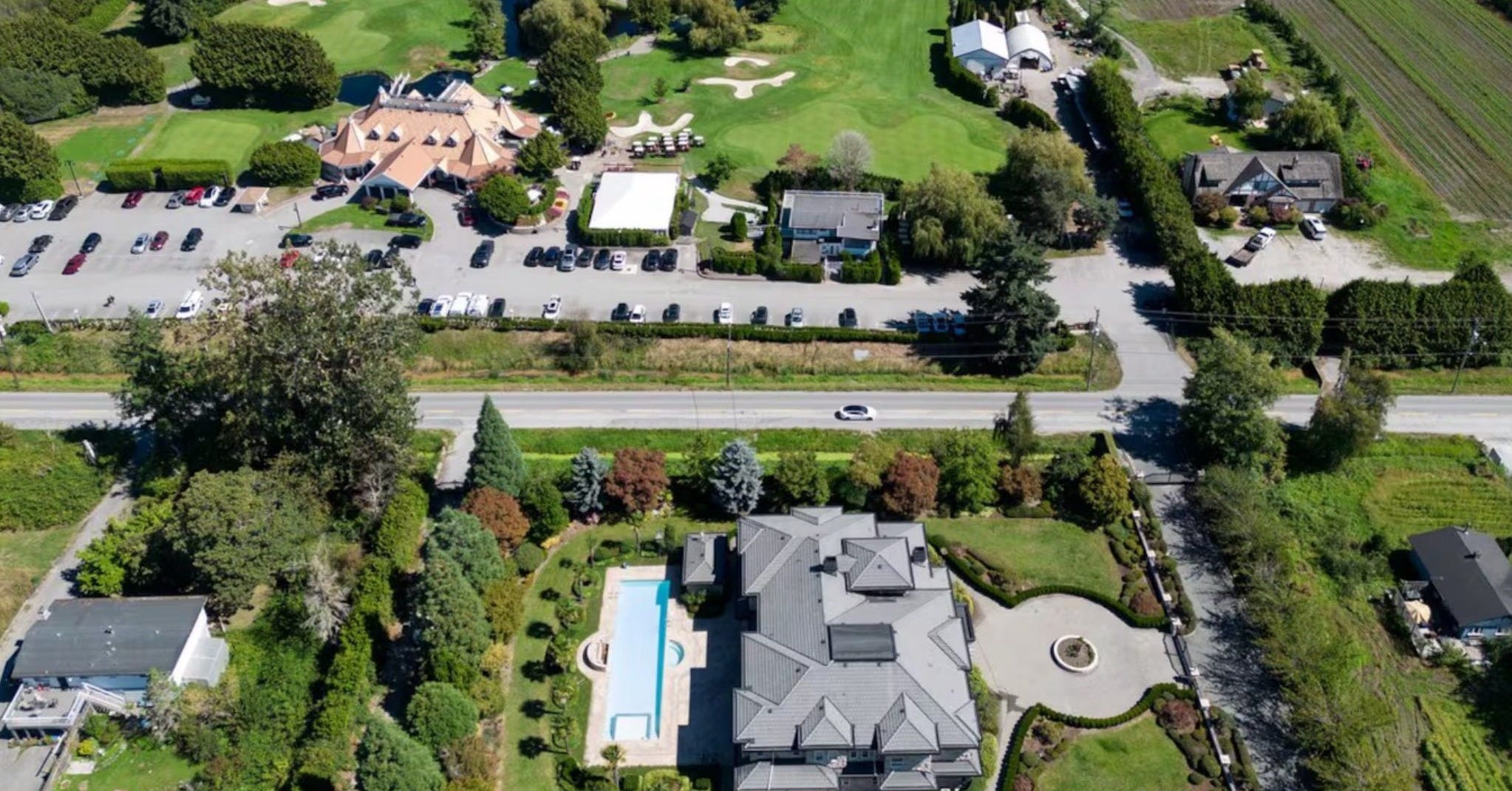
A landmark B.C. Indigenous title ruling appears to have frozen real estate sales in the affected Richmond area and could slash some commercial property values by up to 70 per cent, according to a veteran appraiser.
Paul Sullivan, a property valuation expert with Ryan LLC, says the 2025 Cowichan Tribes decision has created unprecedented uncertainty for homeowners, developers and lenders, as previously reported by the Vancouver Sun.
The B.C. Supreme Court recognized Cowichan Aboriginal title over an area including private Richmond properties, leaving the question of how Aboriginal title and private ownership can coexist unresolved.

“The Cowichan decision has introduced the concept of a dual interest in land,” Sullivan said. “Two parties may simultaneously hold legitimate claims to the same property.”
“This is genuinely unprecedented.”
Sullivan said there have been no recorded property sales in the affected area since the August 2025 ruling, despite repeated price cuts.
“The market in the claim area appears frozen and those homeowners are nervous.”
Developers and investors are also backing away, Sullivan said.
“When I ask how they would approach valuing a property subject to an Aboriginal title claim, the overwhelming response is: They wouldn’t be a buyer.”
With no comparable sales, Sullivan’s team estimates some commercial properties could lose 40 to 70 per cent of their pre-ruling value, though he stressed the figures remain a “working hypothesis.”

The uncertainty may also be spreading beyond Richmond. Sullivan said appraisal firms across B.C. are adding disclaimers assuming properties are unaffected by First Nations claims.
“The uncertainty is being treated as province-wide, not locali[z]ed,” he said.
A previous Juno News review estimated roughly 80 per cent of B.C.’s land base is covered by active claims, while treaties cover about 5 to 6 per cent.
Indigenous title has been recognized in Tsilhqot’in territory and Haida Gwaii, while other claims remain unresolved, including a 1.25-million-hectare claim encompassing Kamloops.
In February 2026, Canada and Musqueam signed agreements recognizing Musqueam’s Aboriginal rights, including title. Musqueam says the agreements do not affect private property.

Moreover, public concern is high. A One Persuasion Inc. survey found 57 per cent of British Columbians concerned Indigenous land claims could affect their property.
Sullivan also questioned B.C.’s $150-million mortgage backstop, calling it a “rounding error” compared with the province’s roughly $3 trillion in assessed real estate.
“It is simply not fiscally feasible for the province to backstop lenders province-wide if this uncertainty spreads beyond the Cowichan claim area,” he said.

He also criticized BC Assessment for not lowering assessments despite the lack of sales, arguing owners could be paying taxes on inflated values.
According to Sullivan, BC Assessment maintains values in the claim area have not changed.
With all parties appealing the Cowichan decision, uncertainty could persist for years.
“Prolonged ambiguity is corrosive,” Sullivan said. “It doesn’t just affect appraisals; it affects municipal planning, housing supply, infrastructure investment, and the municipal property tax base.”