
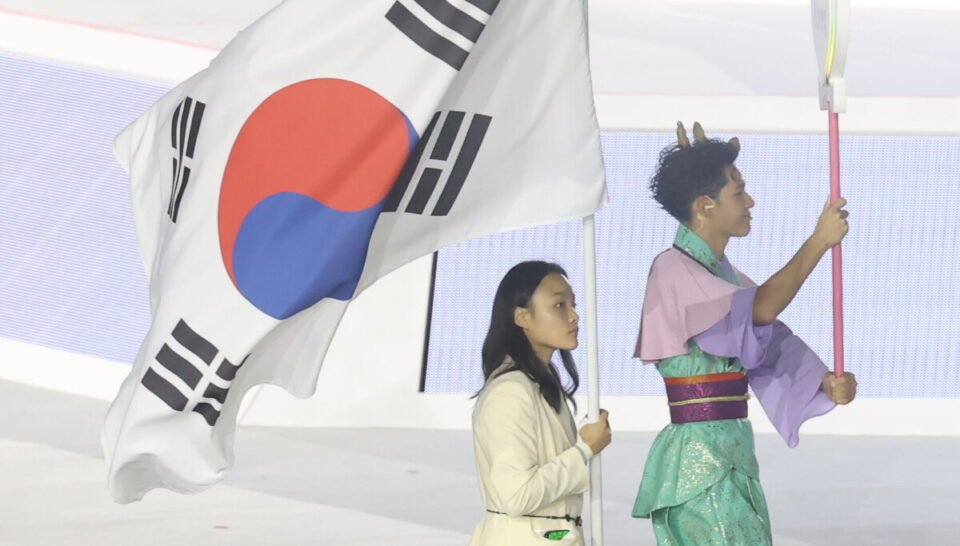
Korea finished the Asian Games Aichi-Nagoya 2026 with 39 golds, its lowest total in 44 years, highlighting weaknesses in traditional sports and athlete development.
NAGOYA, Japan — The Asian Games Aichi-Nagoya 2026 left Korea with its lowest gold-medal tally in 44 years and a clearer picture of where its sports system needs to improve as the 16-day competition closed on Sunday.
Korea won 150 medals in total: 39 golds, 43 silvers and 68 bronzes.
The haul fell just short of its 40- to 45-gold medal target. It was Korea’s lowest gold-medal tally at a single Asian Games since the 1982 New Delhi Games, when it won 28.
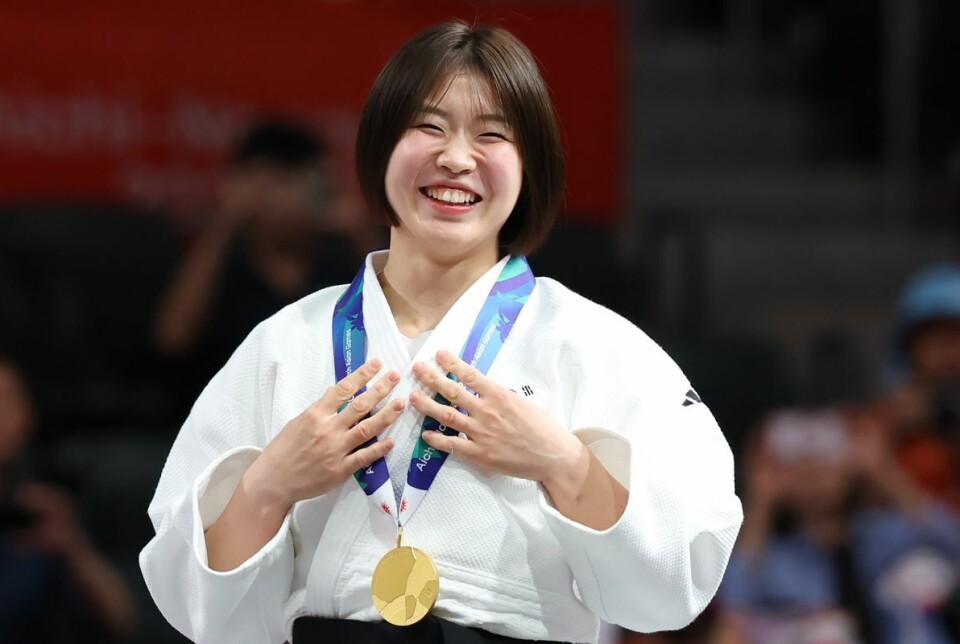
The tally fell significantly short of the record 93 golds Korea won at the 1986 Seoul Games and was three fewer than the 42 it took at the Hangzhou Games three years ago.
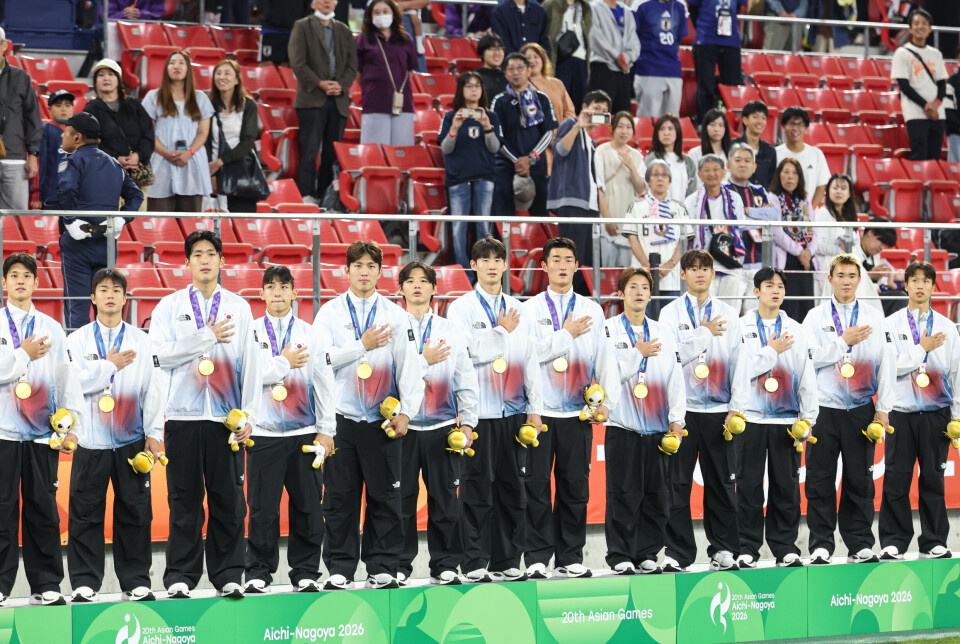
Team sports, powered largely by professional players, were a bright spot for Korea. Basketball delivered three golds, with the men’s and women’s teams both winning their tournaments and the men’s 3×3 team adding another.
Baseball extended its Asian Games reign to five straight titles, football made it four in a row and the women’s handball team returned to the top of the podium after eight years.
Korea also found gold in a broader range of sports. Half its titles at the previous Games came from swimming, fencing, taekwondo and archery, but this year’s golds stretched to skateboarding, equestrian, teqball, kurash, handball and sport climbing.
Men’s saber fencer Oh Sang-uk, who won two gold medals, was named MVP of the Korean delegation.
Korea’s traditional medal powerhouses, however, generally fell short of expectations. Fencing, which won four golds, was the only exception.
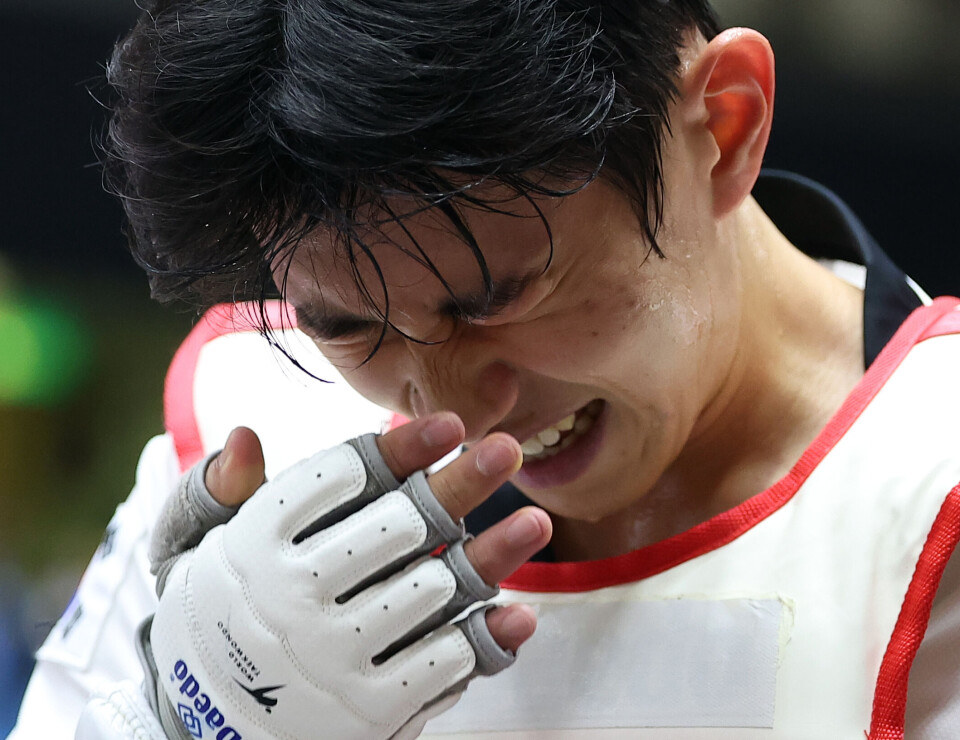
Archery claimed only three of the 10 gold medals on offer. Swimming, which produced six golds in the Hangzhou games three years ago, managed just one. Taekwondo finished with only one gold in kyorugi, though a sweep of the two poomsae event titles helped salvage its campaign. Kyorugi is sparring against an opponent, while poomsae, or forms, tests how precisely an individual athlete executes a series of techniques.
The gap also widened between Korea and regional sporting powers China and Japan. China, which has built its elite sports system through strong state support, won 169 gold medals. Hosting nation Japan has developed a broad base through grassroots sports and took 83 golds.
Korea has struggled to find its footing between the two models as it moves away from a state-led sports system toward greater private-sector involvement.
“The Games allowed us to assess our competitiveness with two years to go before the Los Angeles Olympics,” said Ryu Seung-min, president of the Korean Sport & Olympic Committee. “We will closely analyze each sport and take a comprehensive look at everything from athlete development to sports science.”
The emergence of a new generation of athletes who began in recreational sports offered a meaningful source of optimism.
Kang Yeon-seo, a 15-year-old silver and bronze medalist in women’s compound archery, first took up the sport at a club. She transferred to a school with an archery team only after she was selected for the national team.
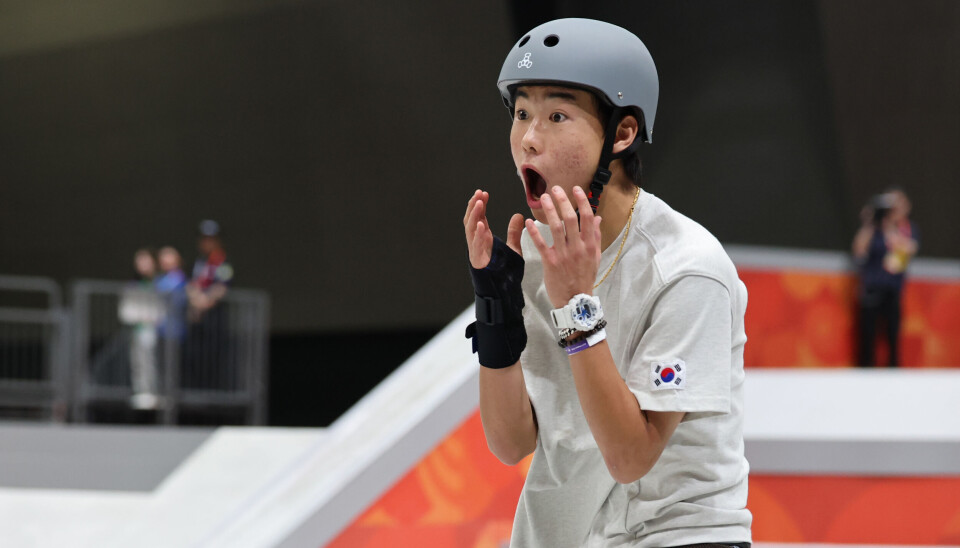
Eighteen-year-old skateboarding gold medalist Kang Jun-i also began the sport as a hobby in second grade before moving into elite competition.
Teqball’s Lee Jun-suk switched sports after his football career did not work out and went on to become Asia’s best.
The growing presence of athletes from mixed-heritage families across a range of sports was another notable shift.
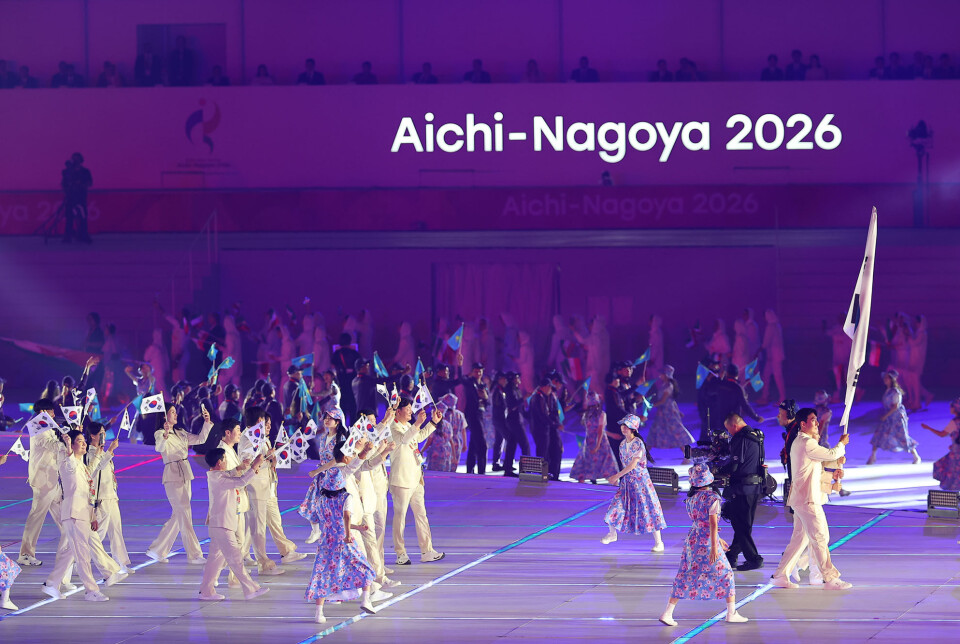
Sports officials acknowledge that a transition toward a grassroots-based ecosystem is inevitable, but say Korea needs to manage the pace of that change.
“It is important for young athletes to pursue their dreams through the sports club system, but it will take time for that system to take root,” said Ryu. “The Ministry of Education and the Ministry of Culture, Sports and Tourism need to work together to address the decline in school sports teams.”
“Rules on school attendance and minimum academic standards make it difficult to select and develop student athletes for the national team,” said Kim Taek-soo, head of the Jincheon National Training Center. “Chungbuk Physical Education High School is the only school near the training center.”
Korean athletes also struggled with organizational problems that dogged the Games throughout the competition. Ryu also noted that the Korean team has sent more letters of protest at these Games than at any other.
“There were quite a few problems with transportation and accommodations,” said Korean delegation chief Lee Sang-hyun.
For Korea, the organizational problems at Aichi-Nagoya served as a cautionary tale as it prepares to host Chungcheong 2027 FISU World University Games next year and pursues a bid for the 2036 Olympics.
BY KIM HYO-KYOUNG [lee.soojung1@joongang.co.kr]