
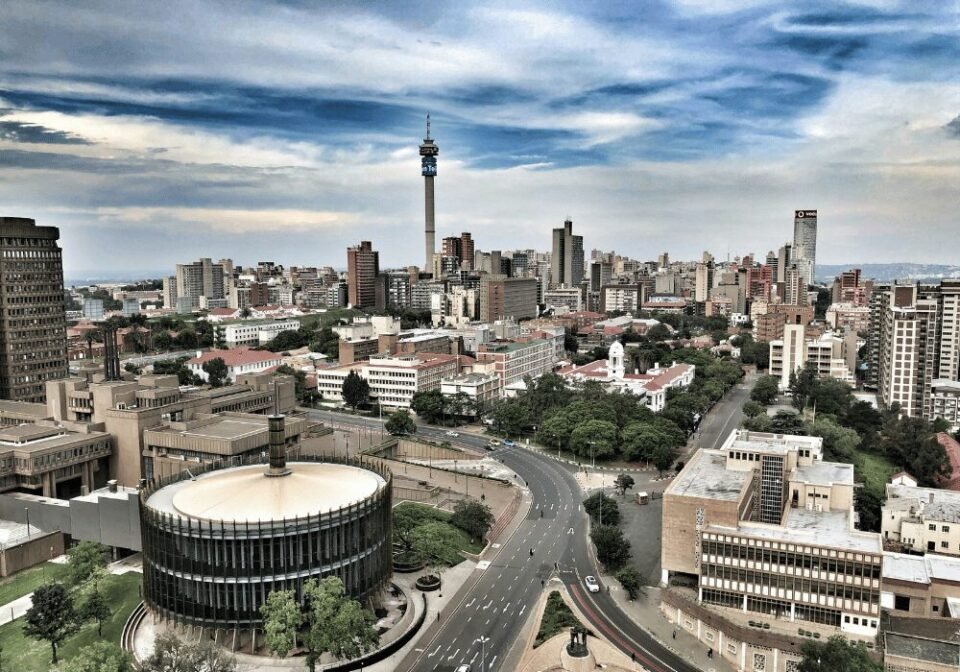
Johannesburg’s Economic Growth Strategy links infrastructure investment with economic growth, job creation, SMME development and investment.
The City of Johannesburg’s Department of Economic Development (DED) has reaffirmed its commitment to advancing infrastructure investment alongside economic growth as it works to position Johannesburg as a competitive, inclusive and leading African economic centre.
Speaking during a Council debate on the City’s Economic Growth Strategy this week, MMC for Economic Development Nomoya Mnisi said Johannesburg could not afford to treat economic growth and infrastructure development as competing priorities.
“Economic growth and infrastructure development are not competing priorities. Johannesburg needs both,” said Mnisi.
She said businesses depend on reliable electricity, water, roads, transport infrastructure and predictable municipal processes to operate, grow and create employment.
The Economic Growth Strategy acknowledges infrastructure backlogs, unreliable services, transport constraints and weak project preparation as some of the barriers that continue to constrain economic growth.
“Fixing infrastructure cannot mean putting economic growth on hold. As Economic Development, our responsibility is also to ask what economic activity our infrastructure will unlock, what businesses will grow, how we connect SMMEs to markets and value chains, and how we attract investment,” said Mnisi.

She said the Strategy provides a framework for addressing these questions while strengthening the City’s economic base and expanding opportunities for residents.
The Strategy focuses on key areas including investment attraction, SMME development, the growth of township economies, inner-city revitalisation and strengthening Johannesburg’s position as a competitive African economic centre.
According to Mnisi, the adoption of the Strategy marks an important milestone, but its impact will ultimately be measured through implementation and tangible outcomes.
“The Strategy gives us the direction. Our responsibility now is implementation, accountability and measurable results of jobs created, businesses that grow, investment attracted and a more productive and inclusive Johannesburg economy,” she said.
The Department of Economic Development will continue working with stakeholders across government, business and other sectors to translate the Strategy into practical interventions that support economic activity, investment, enterprise development and job creation across Johannesburg.