
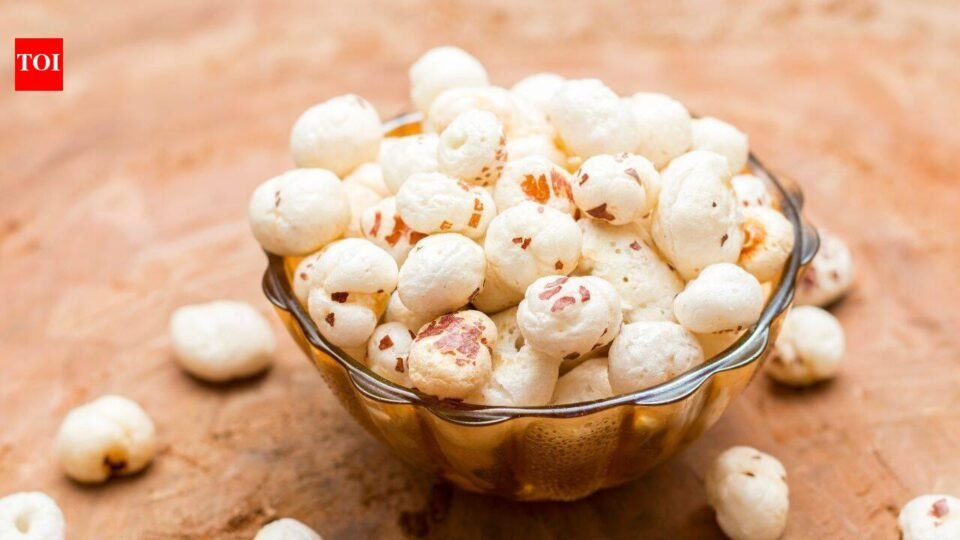

For years makhana was just that quiet crunchy food that people brought out during days of fasting in Indian homes. Now it’s taking a big step, as it is moving from prayer bowls to fancy restaurant menus and stores all over the world and popular snack packages. As Prime Minister, Narendra Modi started the National Makhana Board when he visited the Purnea area in Bihar with a plan to support farmers with almost four hundred and seventy-five crore rupees to make the small fox nut reach the world stage. In fact, Bihar accounts for over ninety percent of India’s makhana supply; the state sits right at the heart of this booming agricultural story.The epicenter of cultivationWhile the prickly water plant itself is native to parts of Eastern Asia, India completely dominates global commercial production. Within the country, the Mithila region of Bihar, encompassing districts like Madhubani, Darbhanga, Purnia, and Katihar, serves as the undisputed capital of cultivation. The region even holds a prestigious Geographical Indication tag for Mithila Makhana, recognizing its unique local roots. Smaller pockets of cultivation do exist in Assam, Manipur, West Bengal, Odisha, Eastern Uttar Pradesh, and the Terai belt of Nepal, but Bihar’s specialized wetland ecosystems and generations of experienced farming families keep the state light-years ahead of the rest.From pond to packetThe journey from a murky pond to a crisp, airy snack is far more intricate and demanding than most consumers realize. It begins when farmers dive into waters to harvest seed pods locally called giri, that sink to the bottom of aquatic beds. Once gathered these seeds are washed thoroughly to remove silt and then spread out under the sun to dry. Workers then sort the dried seeds by size so that each seed heats evenly during the transformation stage. Heating takes place in iron pans, where workers roast the seeds carefully before cracking open the tough outer shells at the perfect moment releasing the fluffy white core inside. Finally the puffed makhanas are polished to make them look uniform and sealed tightly in packaging to keep their signature crunch. While this remains a labor-intensive art passed down through generations agricultural experts say that newer seed varieties and semi-mechanized equipment are slowly easing the heavy physical work.A natural powerhouse of nutritionThe rapid rise of makhana in markets is largely due to its strong reputation as a natural powerhouse of nutrition. Makhana gives a plant-based protein that fits easily into vegetarian and vegan diets. Because makhana is low in calories but high in fiber it keeps you full for a time without hurting weight goals. Nutritionists often point to makhanas antioxidants, which help heart health and overall well-being and note that makhana is fully gluten-free and has a low glycemic index making it a safe and smart choice, for people who manage diabetes.Culinary versatilityThat nutritional appeal has inspired a creative explosion in how makhana is prepared and enjoyed. The traditional method of lightly tossing the puffs in a spoonful of ghee with salt, black pepper, or chaat masala remains an everyday favorite. However, cooks and professional chefs are pushing well beyond simple bowls. Makhana regularly finds its way into rich, spiced tomato and onion curries, or gets simmered slowly in milk with cardamom and nuts to create a comforting dessert kheer. Today, food factories are trying tasty coatings such as peri‑peri, cheddar cheese and salted caramel. These coatings give popcorn a wholesome twist. Makhana is also finding uses. Makhana can be added to taco fillings, toppings, trail mixes and even cocktail garnishes. Makhana shows how versatile it can be in dishes over the world.Empowering farmersIn rural districts of Bihar thousands of farming families depend on Makhana. Makhana is more than a crop; Makhana is the source of their income. The National Makhana Board was formed to support Makhana farmers. The Board is working to improve storage, processing plants, branding and export services for Makhana. By connecting Makhana growers directly with high‑value markets inside and outside India the Board lets Makhana farmers earn more and find new chances. Makhana is already on shelves in the United States, the United Kingdom and the Middle East. Makhana shows that an ancient farming tradition can become a global hit.