
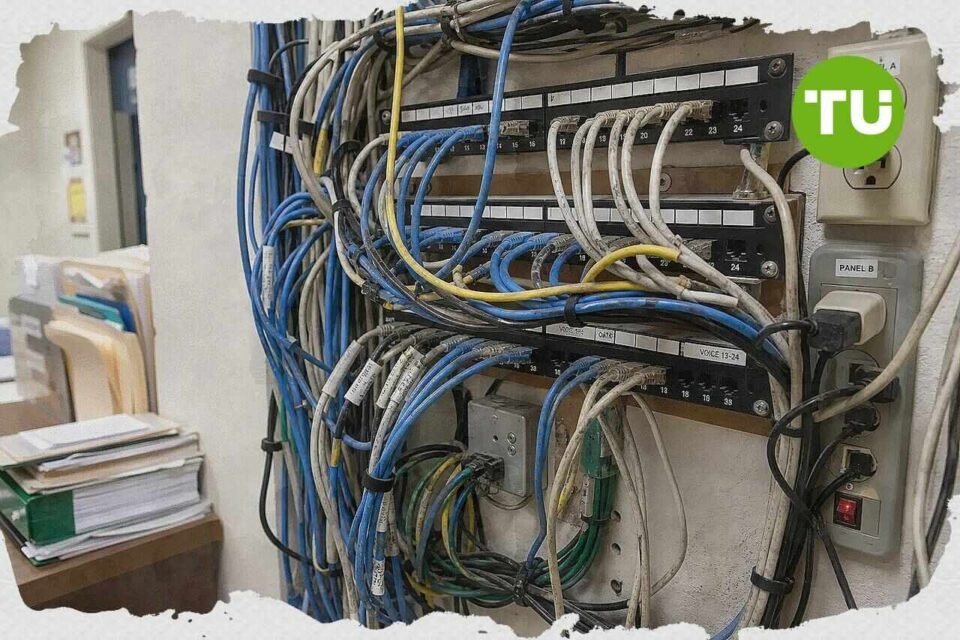
A run of recent disruptions across airlines, banking and major technology systems is highlighting how vulnerable computerized infrastructure has become. The failures appear unrelated rather than tied to a coordinated cyber-attack, shifting attention toward the economic pressures that discourage investment in resilience and redundancy.
Highlights
- Recent outages at Microsoft, FAA, banks, United Airlines, Apple, and NSA are linked to aging, patched infrastructure with insufficient backup and growing centralization.
- Shareholder capitalism and private equity drive companies to cut costs by reducing redundancy and reliability, with public disruption absorbing the fallout from resulting system failures.
- The analysis argues that regulatory intervention, meaningful fines, and stronger antitrust enforcement are needed to change incentives or similar U.S. outages will persist.
Outages point to structural weaknesses
The Guardian reports that the recent incidents at Microsoft, the FAA, several banks, United Airlines, Apple and an unnamed classified NSA network do not appear to stem from a single attack or conspiracy, but instead reflect broader weaknesses in aging and interconnected systems.
Much of that infrastructure has been patched over decades, often with limited backup capacity and growing centralization that allows one failure to spread across multiple services. The result is a brittle operating environment in which breakdowns can trigger wider disruption for consumers, businesses and public services.
The argument is that technical shortcomings are symptoms of deeper economic choices. Spending on security, safety, resilience, redundancy and recoverability raises costs, but often does not produce the near-term profits that companies focused on quarterly results seek to maximize.
Profit pressures and policy implications
That dynamic, the analysis argues, is intensified by shareholder capitalism and private equity models that strip out perceived inefficiencies, including buffers that would make systems more reliable. Reduced competition through monopolization can worsen the problem by weakening incentives to improve service quality and operational durability.
When failures occur, part of the cost is often absorbed by the public through delayed travel, interrupted financial access and broader economic disruption. In that framework, companies can preserve gains while wider society bears the risks created by underinvestment in robust infrastructure.
The article argues that improving computerized systems remains a technical challenge, but says progress depends on political and economic change as well. It points to regulation, enforcement, meaningful fines and stronger antitrust action as necessary to alter incentives, while warning that, without such changes in the U.S., similar outages are likely to continue.
We recently wrote about Victoria data centers and officials’ warnings that rapid growth could strain the state’s power system.
This material may contain third-party opinions, none of the data and information on this webpage constitutes investment advice according to our Disclaimer. While we adhere to strict Editorial Integrity, this post may contain references to products from our partners.