
Having blogged recently about the bond market and its evolution over centuries, it feels the natural progression to talk about another financial services innovation; fixed maturity products (FMP).
Unlike a traditional open-ended bond fund, a FMP is a fund designed to run for a defined period, typically investing in a portfolio of bonds that mature around a specified end date e.g. 3 years.
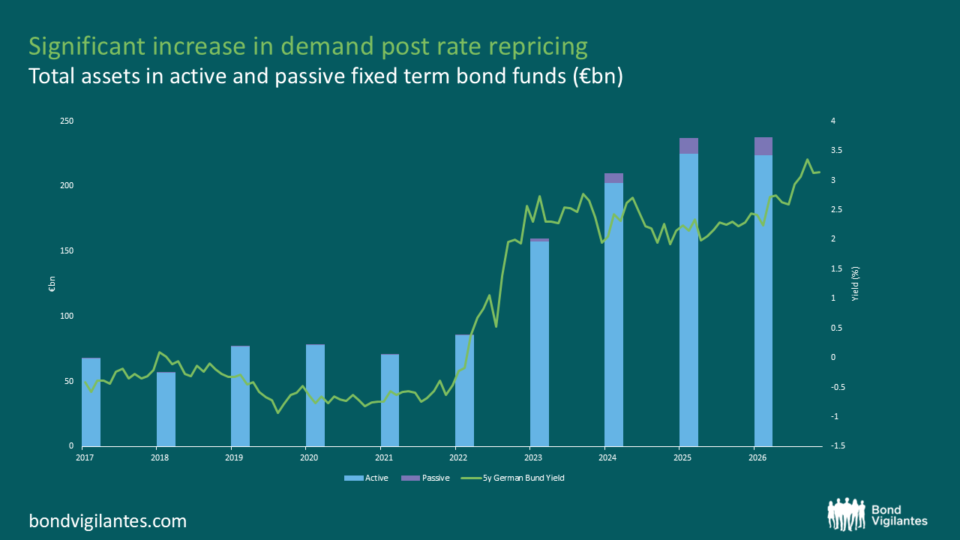
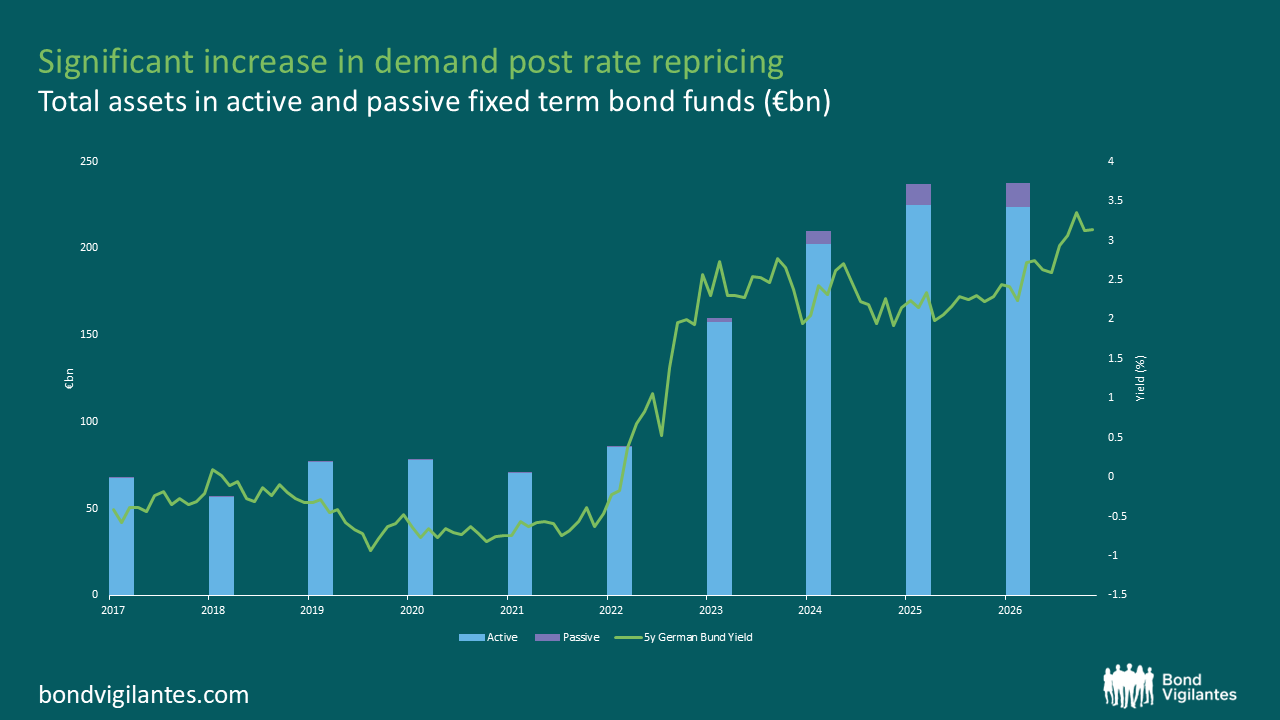
While the concept behind FMPs isn’t new – they are, after all, an extension of simply holding one bond to maturity – and investors have been building bond portfolios around defined maturity dates for decades, FMPs have nevertheless enjoyed something of a resurgence in recent years. Indeed, the sharp rise in bond yields since 2022, has made the investment proposition more compelling, as proven by the growth of the market.
Building on the acronym, what is it about FMPs that appeals? Here are some thoughts:
FMP = Fund Manager’s Pick
1) A defined investment horizon: FMPs give investors a clear maturity date and (assuming no defaults and that positions are held to term) greater visibility over the potential yield and return from the outset. This can make them an attractive offering, providing a yield pick-up and alternative to cash, especially for investors with a known future cash requirement or liability.
2) Locking in attractive yields: Higher yields generally make bond fund investments more attractive, so when prevailing market yields are compelling, an FMP allows investors to lock in that income opportunity for several years. As the portfolio approaches maturity, the bonds held typically converge towards par, while the fund’s duration naturally declines.
3) Ability to look through volatility: Unlike a traditional open-ended bond fund, which may maintain or target duration, an FMP has a predefined maturity and therefore becomes less sensitive to movements in interest rates. As such, the defined maturity and yield objective of an FMP can encourage investors to look through short-term market volatility, rather than react to temporary price or interest-rate movements. This known investment horizon can therefore result in a more stable investor base.
FMP = Fund Manager Problems
Though the premise may sound simple, the reality still requires a lot of consideration.
1) Reinvestment risk: Coupons, early calls, corporate actions, matured bonds and new subscriptions all create cash that needs to be reinvested and It’s important to be mindful of any performance impact this cash drag may have. Though this can present investment opportunities for the fund, as the FMP ages, finding securities with the appropriate maturity, credit quality and sufficient spread can become progressively harder. If spreads have tightened since launch, investing new money while preserving the fund’s original yield and intended portfolio characteristics could potentially prove challenging.
2) Active management is key: The attraction of a FMP is in part the visibility of yield over a defined period, but defaults or significant credit deterioration can permanently impair the return that investors expect to lock-in. Avoiding defaults is therefore paramount. As FMPs will typically have fewer issuers and larger individual positions than more traditional bond funds, this puts greater emphasis on credit selection and the ongoing monitoring over time. It’s important that fund managers react both quickly and appropriately to any deterioration in fundamentals.
Thorough credit research and relative-value analysis all help to mitigate default and downgrade risk, while identifying opportunities to enhance returns. The structure can also be flexible: FMPs do not have to rely solely on corporate bonds, with government bonds and credit default swaps also potentially used to construct targeted credit exposure while retaining the defined maturity profile. Portfolio construction is therefore key: Asset allocation, security selection and position sizing will all play a significant role in outcomes. Though a defined maturity inevitably narrows the investment universe, FMPs arguably benefit even more from active management.
3) Liquidity and operational complexity: As the FMP progressively rolls down towards maturity, credit exposure and liquidity need to evolve. Fund managers must continuously balance maintaining yield with sufficient liquidity and avoid positions that extend materially beyond the fund’s life, As with all bond funds, concentrated holdings can be harder to trade, particularly in high yield or less liquid credits. This becomes particularly important if there are ongoing redemptions or if a challenged credit needs to be sold before maturity.
The more innovative and non-vanilla FMP structures can introduce other challenges. For example, where credit default swaps are used, subscriptions and redemptions can cause additional complexity, when pricing off-the-run contracts as the fund ages. Aspects such as broker interaction, pricing judgement, execution, collateral management, settlement and counterparty risk therefore become increasingly important.
With many of the FMPs launched in 2023 now likely approaching maturity, the asset class may once again come into focus as investors consider whether to reinvest their proceeds into a similar structure. Yet behind the apparent simplicity of an FMP are many moving parts requiring constant consideration. Which, to me, suggests an alternative interpretation of FMP: Fixed Maturity, Plenty to think about!