
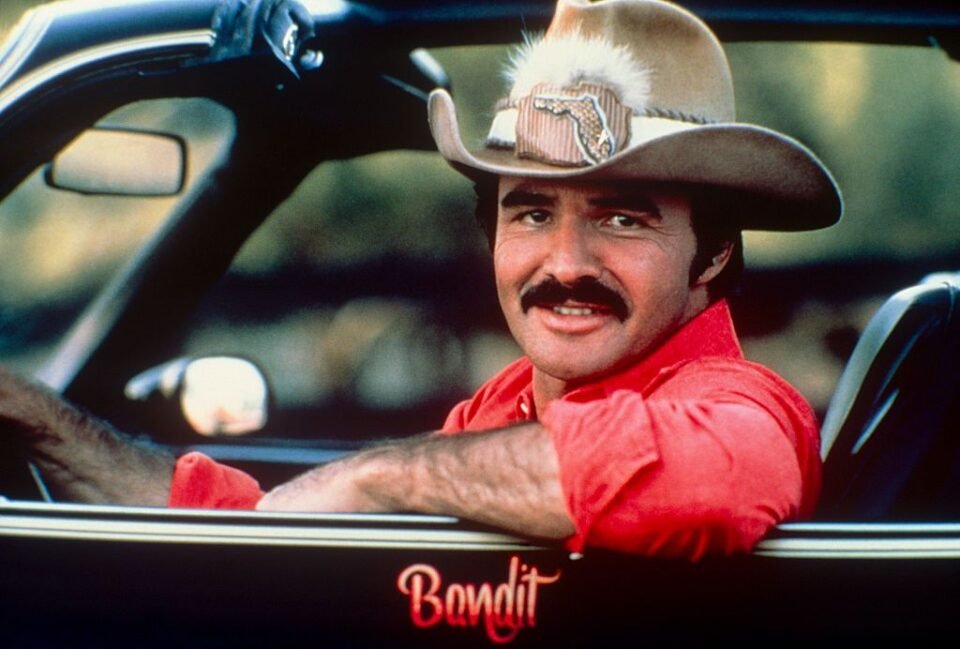
Let’s set the scene: It’s 1977. Burt Reynolds played a legendary truck driver who goes by the handle Bandit and is challenged to a feat no one has accomplished before: Drive from Atlanta to Texarkana and back in 28 hours. The kicker…he had to bring 400 cases of bootlegged Coors with him.
Bandit, who was never one to turn down a challenge, enlisted the help of his friend and fellow truck driver Cledus, played by Jerry Reid. Along their run, they encounter hijinks, a fleeing bride, Carrie, played by Sally Field, an undaunted Texas sheriff named Buford T. Justice (Jackie Gleason), and his son Junior (Mike Henry), who, surprisingly, held up well chasing Bandit, even if their car didn’t.
The movie personified American culture. It tickled our thrill of rebellion against authority, our love of adventure and our thirst for fun. But today, almost five decades later, the question isn’t whether you could make the run; it’s how much it would cost to recreate that epic journey — strap in as we calculate the fuel prices for the ultimate caper.
Sign up for Kiplinger’s Free Newsletters
Profit and prosper with the best of expert advice on investing, taxes, retirement, personal finance and more – straight to your e-mail.
Profit and prosper with the best of expert advice – straight to your e-mail.
The ultimate journey from Georgia to Texas and back

(Image credit: Art Zelin / Contributor)
Let’s start with the journey. The route from Atlanta to Texarkana is approximately 657-660 miles. The first part of their run ran pretty smoothly, outside of a run-in with a small town cop that Bandit evaded rather easily.
On the way back, it’s a different story. Whether it was literally burning rubber to pick up an escaping bride, taking back roads or football fields to evade cops or jumping off a bridge, it was not a straight shot on I-20 singing The Carpenters.
So, for the sake of argument, let’s add another 30 miles on the return leg. This brings the total mileage to around 1,350. Now let’s look at what it will cost you.
Do the rising fuel costs make recreating the bootlegging run worth it?

(Image credit: Mike Windle / Staff)
Bandit and Cledus had $80,000 (over $400,000 today, adjusted for inflation) awaiting them for making the run. Even with fuel costs soaring in recent weeks, they would still have come out ahead.
Now, if you want a little taste of adventure and the glory of achieving a long run, it’s going to cost you. How much? Well, it depends on what you drive:
|
Vehicle type |
Average mpg provided by US Department of Energy |
Total costs with average fuel of $4.16 per AAA |
|---|---|---|
|
Car |
24.40 mpg |
$230.16 |
|
Light truck/van |
17.80 mpg |
$315.51 |
|
Delivery truck |
6.80 mpg |
$825.88 |
|
1977 Pontiac Firebird Trans Am Special Edition (Y82 code) – Bandit’s car |
10-14 mpg, but considering he drove at high speeds all the time, we’ll go with 10 mpg |
$561.60 |
Now, let’s put the modern costs into perspective using Jerry Reed’s 1974 Kenworth W900A. It used diesel, which in 1977 was around 36 cents per gallon.
With fuel economy around 4.5 because he was hauling fast, the costs for his run would have been around $108 in 1977. Today, the current cost of diesel is $5.33, bringing Jerry’s trip to $1,599, a difference of almost $1,500.
And one more comparison: If you made this run in a car in February of this year, the average cost of gas was $2.91 per gallon. Compared to the current trip cost of $230.16, running this a few months ago would have saved you almost $70, illustrating how quickly fuel costs rose.
Is recreating the run worth it?

(Image credit: Getty Images)
There are other factors to keep in mind, too. If you plan to recreate the run, chances are you won’t have state troopers on your bumper for most of the way back (let’s hope not anyway), so you’ll maintain steadier speeds. This results in better fuel economy. That means your real-world cost could come in lower than these estimates.
Therefore, even with rising gas prices, recreating this run isn’t super expensive. Depending on your vehicle, you can enjoy Bandit’s run at your leisure for a few hundred dollars.
And if you want to save even more, the best cash back credit cards can help you save at the pump by as much as 5%.