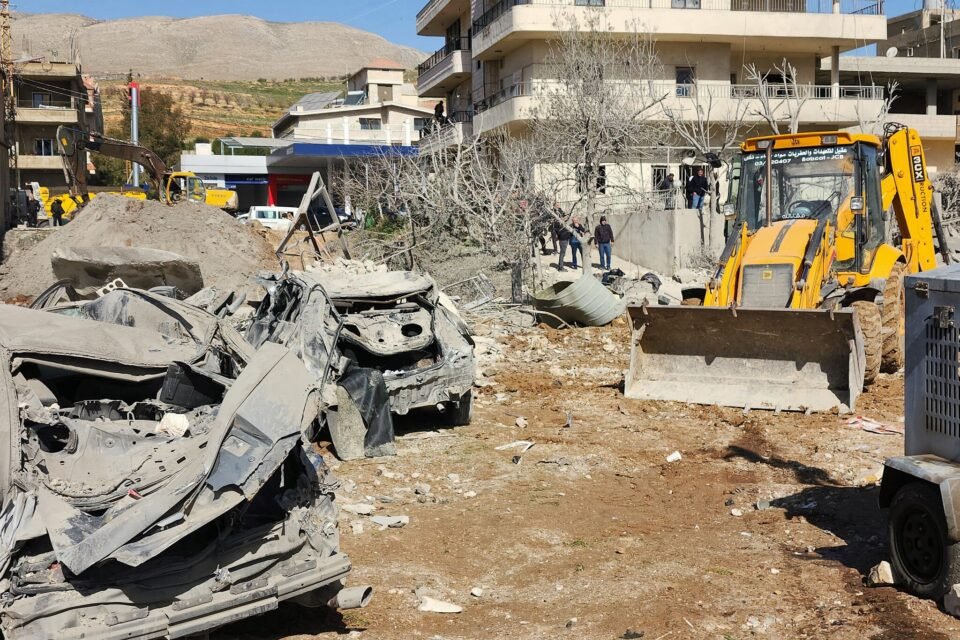
Israel sent an indirect message to Lebanon that it would strike the country hard, targeting civilian infrastructure, including the airport, in the event that Hezbollah gets involved in any US-Iran war, two senior Lebanese officials said Tuesday.
The office of Prime Minister Benjamin Netanyahu and the Lebanese presidency did not immediately respond to requests for comment. But Lebanon’s Foreign Minister Youssef Raggi confirmed Beirut’s fears of its infrastructure being targeted by Israel in the event of escalation.
“There are signs that the Israelis could strike very hard in the event of an escalation, potentially including strategic infrastructure such as the airport,” Raggi told reporters in Geneva.
“We are currently conducting diplomatic efforts to request that, even in the event of retaliation, Lebanese civilian infrastructure not be targeted,” he said.
Raggi said Lebanese authorities had appealed to Hezbollah not to respond in any way that could trigger “bad situations” for Lebanese civilians.
He stressed that his country’s leadership had been very clear: “This war does not concern us.”
Lebanese Prime Minister Nawaf Salam, whose government has sought the disarmament of Iran-backed Hezbollah since taking office a year ago, urged the terror group not to drag the country into a new conflict, speaking in a newspaper interview published on Tuesday: “The Gaza adventure imposed a high cost on Lebanon. We hope that we will not be dragged into another adventure.”
During the fighting between Israel and Hezbollah in 2023 and 2024, the Israeli military said it only targeted sites belonging to the Iran-backed terror group. No Israeli strikes targeted key Lebanese infrastructure.
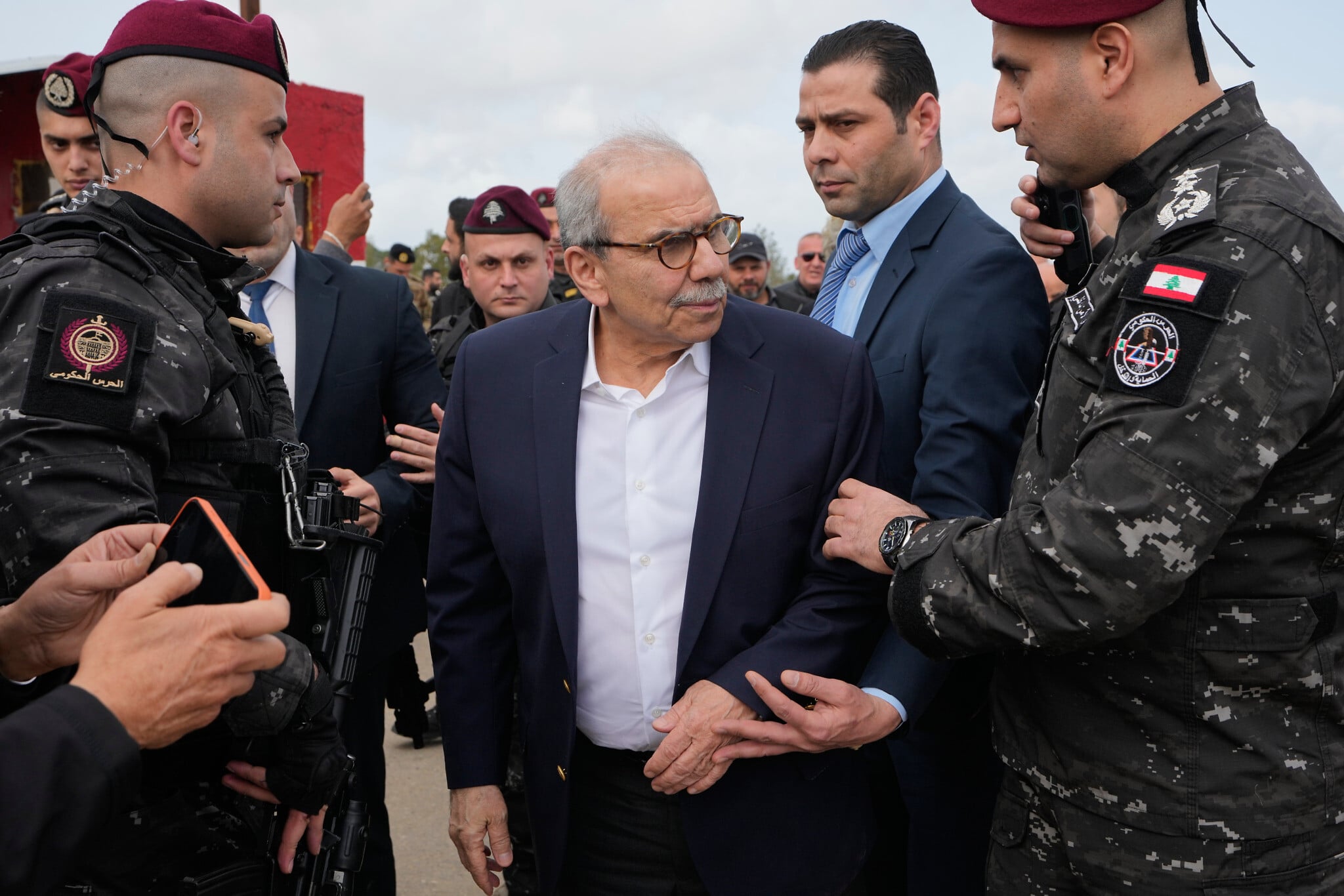
Hezbollah leader Naim Qassem said in a televised address last month that the group was “not neutral” in the standoff between Washington and Tehran, and that it was “targeted by the potential aggression.”
“We are determined to defend ourselves. We will choose in due course how to act, whether to intervene or not,” Qassem said.
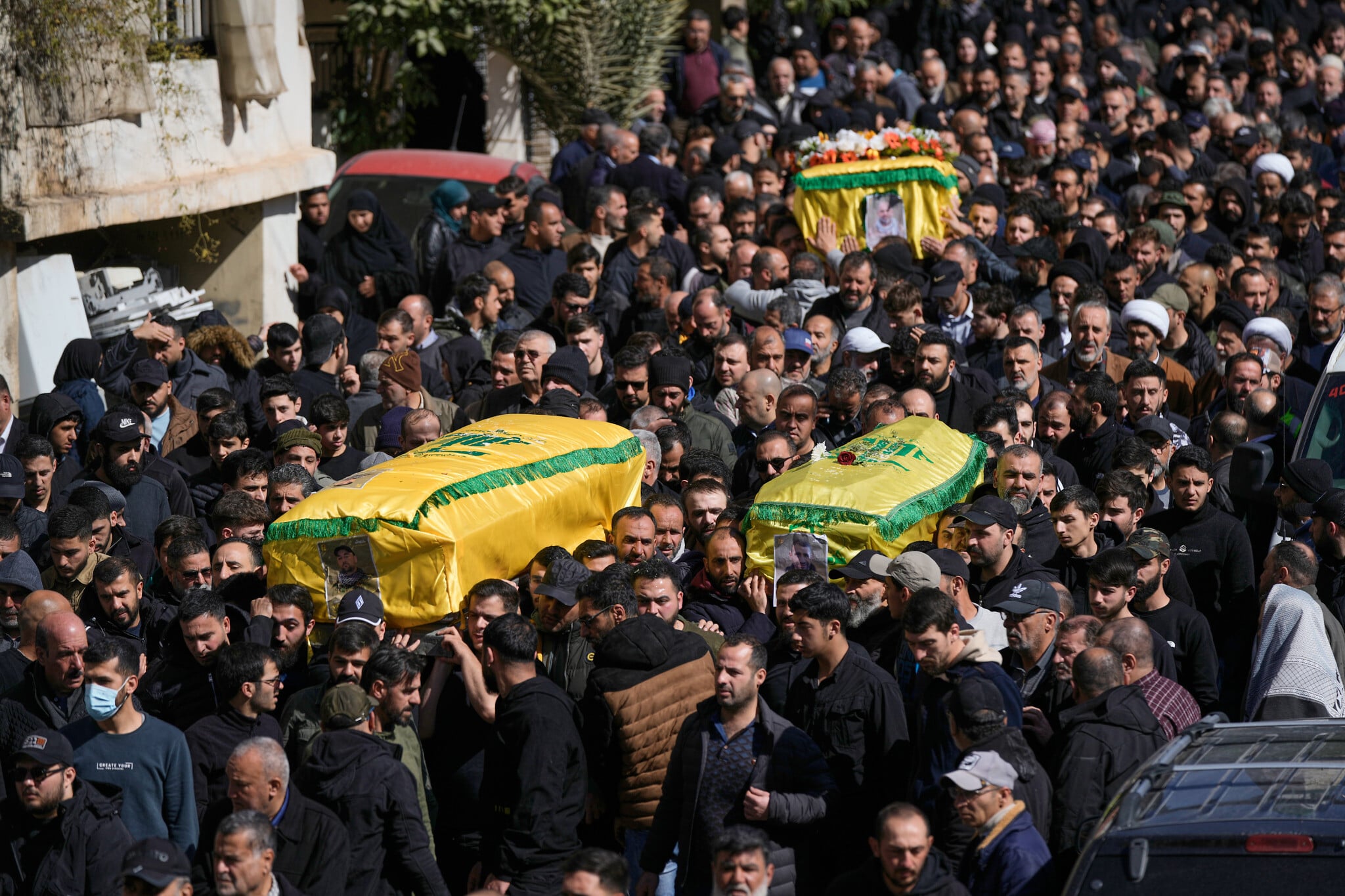
According to a Saturday report, Iran’s Islamic Revolutionary Guard Corps has effectively taken charge of Hezbollah in anticipation of a war with the US and Israel, with officers, some of whom recently arrived in Lebanon from Iran, being tasked with rebuilding the Shiite group’s capabilities.
In recent weeks, the Israeli military has stepped up airstrikes against Hezbollah in Lebanon, with assessments indicating that the Iran-backed terror group may join Tehran in a new conflict against Israel.
IDF fires warning shots at Lebanese soldiers building ‘uncoordinated’ post
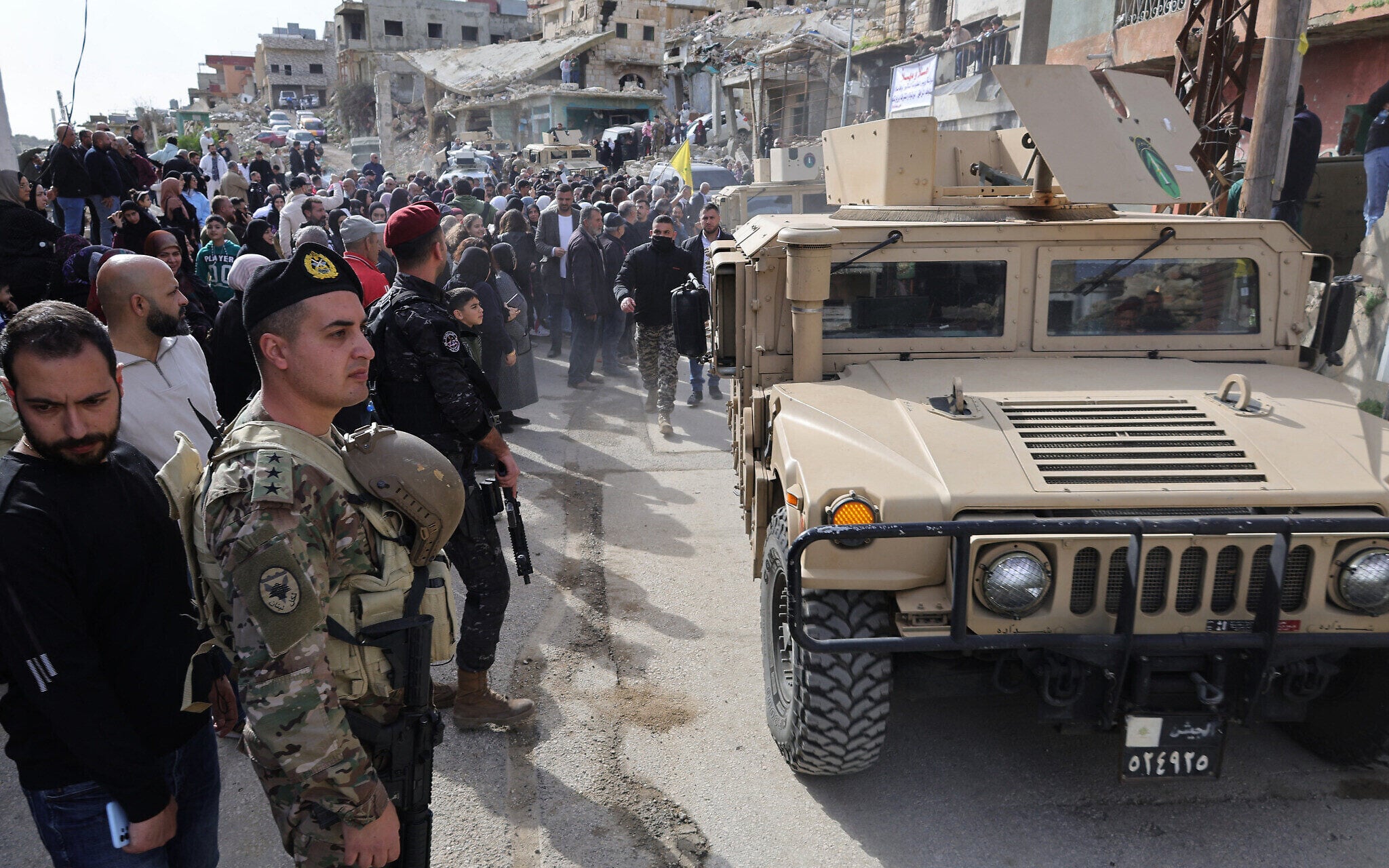
Meanwhile, Lebanon’s army on Tuesday accused the Israeli military of firing near a position it was setting up in the country’s south, saying it had instructed troops to return fire.
In a statement, the Lebanese Armed Forces said that while its troops were “establishing an observation post” near the southern border in the Marjayoun area, “the vicinity of the post was subjected to gunfire from the Israeli side, coinciding with the flight of an Israeli drone at low altitude that issued threats aimed at forcing the personnel to leave.”
“The army command issued orders to reinforce the post, remain in place, and respond to the sources of fire,” the LAF said, adding that the incident was being followed up in coordination with the US-led ceasefire oversight mechanism and United Nations Interim Force in Lebanon.
In response to a query by The Times of Israel, the Israel Defense Forces confirmed firing warning shots toward Lebanese soldiers, saying that the LAF was establishing “an uncoordinated military post” near Israeli troops.
According to the IDF, the military issued warning calls to Lebanese soldiers after they began to establish their “uncoordinated” post. The military said it also contacted “coordination and liaison channels” and requested that the work on the LAF post be halted.
“After no response was received, IDF troops carried out warning shots in order to stop the activity,” the military added.
Israel has consistently targeted what it says are Hezbollah attempts to rebuild its force following the November 2024 ceasefire that ended a year of conflict between Israel and the Iran-backed terror group.
Under the agreement, Hezbollah was required to withdraw and disarm south of the Litani River, but Israel alleges that the terror group remains entrenched in the area, leading the IDF to conduct near-daily strikes.
Lebanon’s government has committed to disarming Hezbollah, and the army last month said it had completed the first phase of its plan to do so, covering the area between the Litani River and the Israeli border about 30 kilometers (20 miles) further south.
The Israel-Hezbollah war started when the terror group began firing missiles across the border on October 8, 2023 — a day after the Hamas-led attack on southern Israel.
The November 2024 ceasefire between Hezbollah and Israel followed an Israeli ground invasion and concurrent air assault that severely degraded the group and killed much of its leadership.