

Commercial real estate could be the winner out of the federal budget.
Commercial real estate could be an unlikely winner out of the federal government’s tax shake, according to property firm JLL, as investors ditch housing for other asset classes.
JLL sales and investments director Jack O’Leary said the changes to negative gearing and capital gains tax would trigger a rethink for investors who typically favoured residential real estate.
“Whenever policy settings alter the relative attractiveness of one asset class, capital naturally begins assessing alternatives,” he said.

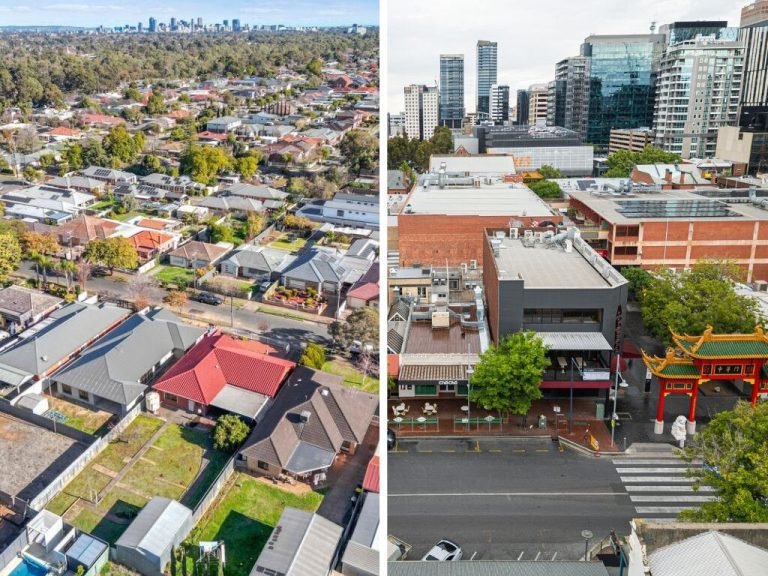
There are significant benefits to buying commercial property in SA. Picture: NAI Harcourts.
“The federal budget’s shift to an inflation-adjusted capital gains tax, combined with limiting negative gearing to new builds, represents a significant policy change which is expected to accelerate this process for many investors.”
Mr O’Leary said South Australia was also well positioned to capitalise on a growing federal spend on industries such as defence.
MORE NEWS
How SA plans to ride out the next global crisis
Fast food outlet a bargain buy
Adelaide’s first million-dollar unit suburbs
“In South Australia (SA) particularly, the absence of stamp duty on commercial property transactions has already created a meaningful competitive advantage,” he said.
“This is further amplified by our state’s strategic importance in the national economy, especially in defence.”

The Adelaide property at 98-100 Gouger St is for sale with a $7m price tag. Picture: Supplied by Knight Frank.
“The defence sector is a critical driver, with JLL’s 2026-27 federal budget report highlighting that SA’s defence industry workforce is expected to more than double by 2040, creating powerful, long-term demand for industrial and office space with a direct flow on effect to retail spending and retail demand.
“As the home of the AUKUS submarine program and a key hub for naval construction, SA is positioned to receive a significant share of this investment, solidifying a long-term pipeline of demand for industrial workshops, advanced manufacturing facilities, and office space.”