
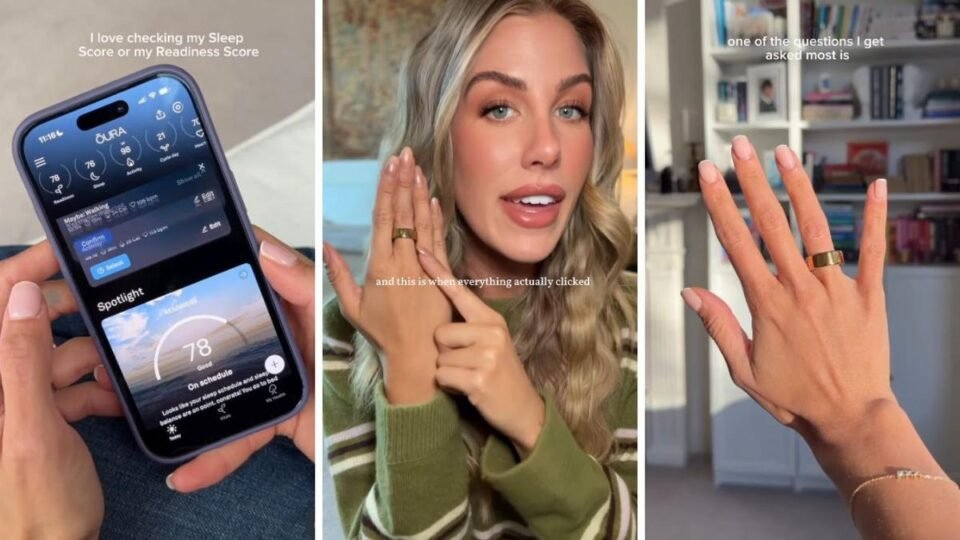
The Oura Ring has built a cult-like following with wearers obsessed with checking their daily scores (guilty).
Somewhere between iced matcha, Pilates memberships and expensive water bottles, this sleek little smart ring managed to become the wellness accessory of the decade.
Scroll through TikTok, sit down at brunch or glance across a reformer class and chances are someone nearby is wearing one.
Know the news with the 7NEWS app: Download today
Quite possibly while explaining their REM sleep percentage to an unsuspecting friend.
The obsession makes a little more sense when you discover the numbers.
Right now, the coveted rose gold Oura Ring 4 has dropped from $649 to $454 on Amazon Australia, saving shoppers $195 or 30 per cent off the usual price.
For a product that spends most of the year sitting in “I’ll wait for a sale” territory, this feels a little like spotting designer shoes in your size on the clearance rack.
Part of the appeal is that the Oura Ring doesn’t look like technology at all.
There are no flashing lights, no buzzing notifications and no tiny screen demanding your attention every six minutes.
It simply sits on your finger looking like expensive jewellery while collecting enough health data to make your GP raise an eyebrow.
The Oura Ring 4 tracks more than 30 biometrics including sleep, activity, stress, heart health and women’s health metrics using Smart Sensing technology that adapts to your body and habits over time.

It works while you’re sleeping, exercising, working, travelling or lying horizontally on the couch, convincing yourself that scrolling social media counts as recovery.
Perhaps the most dangerous feature is the sleep tracking.
Owners quickly develop an emotional attachment to their Sleep Score.
A score in the 90s can make you feel like an elite athlete preparing for competition.

A score in the 60s after one late night and an overly ambitious dessert order somehow feels deeply personal.
Then there is the Readiness Score, which gently informs you whether today is the day for a workout, a long walk or becoming one with your doona.
Unlike many wearables, the Oura Ring manages to avoid looking like gym equipment attached to your body.
The all-titanium design is lightweight, durable and comfortable enough for round-the-clock wear, while the water-resistant finish means it happily survives workouts, showers and the enthusiastic hand washing phase everyone went through in 2020.
Battery anxiety also isn’t invited to this party. The Oura Ring 4 lasts for up to 8 days between charges, which means you can wear it for more than a week and mostly forget it exists.

Until someone compliments it.
And they will.
The rose gold finish in particular has become something of a status symbol among wellness lovers who wanted a wearable that looked less like a gadget and more like jewellery.
It works with activewear, office outfits and dinner dresses and somehow makes health tracking feel a little more glamorous.
New buyers also receive their first month of Oura Membership free before the subscription moves to $9.99 per month or $109.99 annually.
The membership lives inside the app rather than the ring itself, unlocking the detailed insights and trends that have helped create an almost fan-club level of devotion among owners.
The biggest challenge with owning an Oura Ring may not be deciding whether to buy one.
It’s trying not to become the person who starts every conversation with “My ring says I only got 43 minutes of deep sleep last night.”