
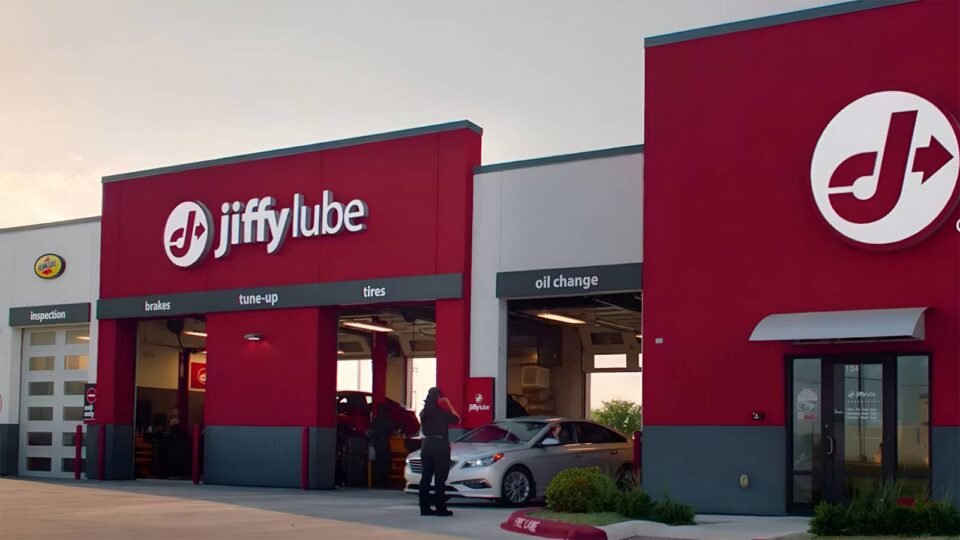
Jiffy Lube is no longer owned by a company that knows a thing or two about oil. Its previous owner, Shell USA, has decided to step aside for reasons that aren’t entirely clear. Or, perhaps there are reasons – 1.3 billion of them. That was the selling price Shell USA pocketed from the deal.
The sale agreement was signed earlier this year with private investment firm Monomoy Capital Partners, but the deal was officially announced closed on July 1 through a press release on Jiffy Lube’s website. Of course, Jiffy Lube is a franchise brand known for quick oil changes, but Monomoy is also taking ownership of Premium Velocity Auto, the second-largest Jiffy Lube franchisee, operating 360 of the brand’s 2,000 locations in the US.
History tells us nothing bad happens when private equity steps in to assume control of a sprawling brand. Let’s get a better idea of Jiffy Lube’s place in the American auto scene, as there are no doubt more than a few people who count on these facilities to handle their basic vehicle maintenance needs.
The Jiffy Lube Story

Jiffy Lube started out as a single store by Edwin H. Washburn in the early 1970s, and quickly started franchising. In 1979, W. James Hindman bought out the franchises and established Jiffy Lube International in Utah. The company went public in 1987 with over 1,000 franchises to its name. In 1989, Jiffy Lube became a subsidiary of Pennzoil, then Pennzoil merged with Quaker State and Jiffy Lube absorbed over 500 Q Lube stores. In 2002, Shell bought Pennzoil-Quaker State. And that brings us to the present day.
According to The Wall Street Journal, Jiffy Lube accounted for 6.5% of Shell’s overall lubricants business. However, Shell is looking to divest itself of “non-core” businesses, including offshore drilling assets in the Gulf of Mexico. However, Pennzoil Quaker State, which is still part of Shell, will continue to supply Jiffy Lube for the foreseeable future. So it’s not a complete divorce and journey into the realm of private equity.
The Private Equity Curse

Generally speaking, private equity companies don’t buy brands to maintain their equilibrium and fill out their portfolios – they buy them to drive returns on their investments. In other words, they take a long, hard look at a business and work out how to create better profits. That can come in many ways, including but not limited to market growth and expansion, margin expansion, cost-cutting, and even tactics as brutal as asset stripping.
According to recent analysis, quick lube shops dramatically gained service market share last year while dealership service transactions fell, which indicates it may be a great business to be in right now. What happens to Jiffy Lube remains to be seen, but it’s understandable why people might be nervous. There are plenty of examples of private equity buying up and then ruining a brand by wringing it dry, including recent examples of how it can go wrong in the automotive industry.
CarBuzz Insight – Why This Matters:
While we’ve all heard the horror stories about quick oil change shops – mainly involving costly mistakes with customers’ cars – they are the backbone of car ownership in the US. Those mistakes, while genuinely terrible, are statistical blips when compared to how many people use these shops regularly without issue. The average driver gets two oil changes per year, and oil changes are crucial to the longevity of an engine’s life.
The true value in quick oil change stores is the quick bit – the convenience of just being able to drive up and get the oil changed in a few minutes. It reduces the friction of scheduling an appointment and fitting that into a busy day, which leads to fewer people putting off oil changes. As these shops are specialists and the vast bulk of their business is selling oil, they can also achieve competitive pricing compared to dealerships through bulk buying – particularly when owned by a company that supplies the oil.
Of course, the real question is how Jiffy Lube’s new owner will seek to maximize profits.
Source: Jiffy Lube, Shell