
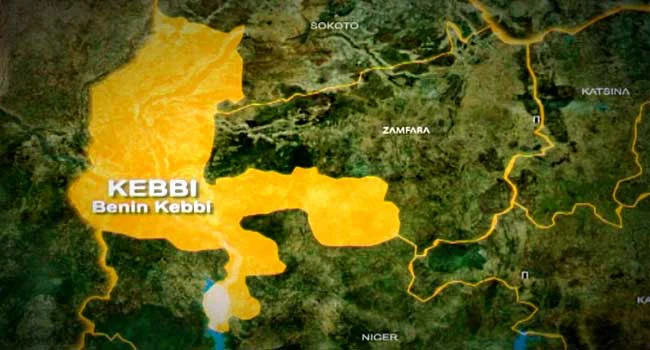
The Kebbi State Government has reaffirmed its commitment to transparency, accountability and prudent management of public resources with the commencement of a four-day capacity-building programme for treasury personnel and staff of Ministries, Departments and Agencies.
The training, titled “Strengthening Treasury Operations, Financial Controls and Office Record Documentation,” will be held from today, August 19, to Saturday, August 22, 2026, in Sokoto.
It aims to improve public financial management and institutional record-keeping across government establishments.
According to the official, Abdullahi Zuru, who spoke on behalf of the state government in a statement made available on Tuesday, the initiative underscored the government’s determination to strengthen governance systems through improved treasury operations, financial controls and records management.
A statement on the programme noted that “efficient treasury operations, sound financial management and effective records administration are fundamental to promoting transparency, accountability and good governance in the public service.”
The government said participants would be equipped with practical skills in financial documentation, internal controls, risk management, audit readiness and compliance procedures, enabling them to maintain accurate financial and administrative records while strengthening accountability mechanisms within their respective institutions.
The first phase of the programme will focus on public financial management and documentation standards, including transparency, accountability, value-for-money principles and the legal framework governing public finance.
The second phase will address office record documentation and control systems, with emphasis on the management of financial and administrative records throughout their lifecycle.
Highlighting the importance of proper documentation, the programme framework stated that “maintaining complete, accurate and reliable records is essential for effective decision-making, regulatory compliance, accountability and audit processes.”
Participants will also undergo training on internal controls and risk management, covering approval procedures, supervisory mechanisms, financial reporting and responses to audit queries.
The government expressed confidence that the programme would strengthen public trust in state institutions and improve engagement with civil society organisations, professional bodies and development partners.
It stated that stronger documentation systems, improved financial reporting and enhanced audit readiness would provide “a better foundation for constructive engagement with civil society organisations, professional bodies, development partners and other stakeholders interested in transparency, accountability and improved public service delivery.”
The training will feature practical exercises, case studies, simulations and group discussions designed to help participants identify documentation gaps, address control weaknesses and apply lessons learned in real-life workplace situations.
At the end of the programme, participants are expected to demonstrate improved capacity in records management, internal controls, documentation standards and audit preparedness, outcomes the government believes will contribute to stronger financial governance and more efficient service delivery.
Reiterating its broader governance agenda, the state government declared that “the commitment to transparency and accountability requires continuous strengthening of institutional systems and professional capacity.”
It added that the initiative reinforces the principle that “responsible management of public resources is a collective institutional responsibility,” stressing that effective controls, reliable records and accurate reporting remain essential pillars of good governance.