
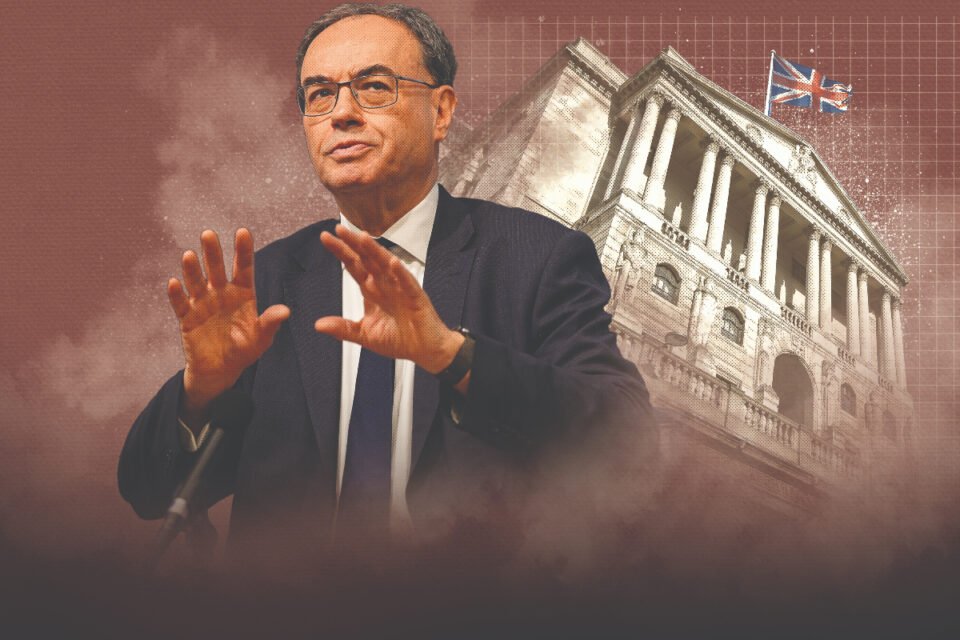

The Bank of England chose to hold interest rates at 3.75 per cent on Thursday. But its unexpected overhaul of quantitative tightening could be far more consequential, says Ali Lyon.
On days when the Bank of England’s Monetary Policy Committee decides the future of interest rates, that choice – and the thinking that goes into it – understandably hogs the limelight.
After all, ‘Bank Rate’ – as the monetary authority’s central interest rate is referred to – is hugely important. It acts as a kind of metronome for the UK economy, setting the tempo for our mortgages, for banks’ loans to businesses and – of course – the government’s ballooning debt pile.
But this week, the most important development from the influential committee’s gathering was not related to that rate decision at all. Alongside their move to keep Bank Rate at 3.75 per cent – a decision widely expected but not without its critics – Threadneedle Street also unveiled a radical and surprising change to a process known as quantitative tightening.

A potted history of the Bank’s bond sales
The programme is a dry and technical one. But the numbers involved are eye-watering, and decisions relating to it have enormous ramifications for both the public purse and the economy at large.
In broad terms, quantitative tightening – QT – describes the Bank of England’s attempts to reduce the vast stockpile of bonds that have been sitting on its balance sheet for over 15 years.
In the aftermath of the 2008 financial crisis, central banks the world over hoovered up their respective government bonds in a desperate attempt to revive their flagging economies and minimise borrowing costs for both the public and private sectors.
The operation was called quantitative easing and was – in the Bank of England’s case – a veritable feeding frenzy. By the time the central bank concluded its shopping spree in 2021, it had amassed a gilt portfolio totalling some £895bn, the majority of which was taken on during Covid.
Since 2022, however, officials have been unwinding that process in a move officials say will give the Bank the firepower to “go again” should financial conditions rapidly deteriorate as they did in 2008. Until now, it has been carried out via a combination of letting shorter-dated bonds mature naturally and a pre-determined cadence of sales onto the public bond markets.
But the approach became increasingly mired in controversy. By actively selling gilts onto the market, Threadneedle Street set itself apart from the likes of the European Central Bank and Federal Reserve, both of which opted for a ‘passive’ approach to QT. With its unorthodox ‘active’ stance, the Bank was adding to the supply of gilts on the market – thereby pushing down their price, and pushing up on their yield.
And because of agreement from 2009 between Mervyn King and then Chancellor Alistair Darling, the taxpayer was ultimately responsible for reimbursing the Bank of England for the vast losses that QT incurred. Analysts and commentators accused it of recklessly driving up borrowing costs for the Treasury – and costing the taxpayer hundreds of billions of pounds. In the past, Andrew Bailey has argued that the bill would have been incurred regardless; it’s a case of how, where and when the axe falls, not if. He has also maintained that because the gilts the UK’s monetary authority bought up had a longer average maturity, the effect of a ‘passive-only’ approach would have been more limited than at the Fed and ECB
But on Thursday, all those arguments became redundant, as the Bank of England unveiled a complete overhaul to that balance sheet strategy; one which caught analysts, economists and journalists off-guard.
‘Questions’ about Bank of England independence
In short, it is proposing axing all of those public sales and replacing them with a three-pronged strategy that – unlike the previous approach which was updated annually – will take it all the way to 2035.
First, it will halt all sales of its longest-dated bonds, helping ease an excess of supply in a corner of the bond market where pressure has been most acute. With its 30-year bonds hovering around six per cent before Thursday’s intervention, the UK has – in recent history – boasted the unwanted record of the highest long-term borrowing costs of any G7 country. In cancelling those sales – and keeping £120bn 30-year plus gilts until they mature – it is restricting supply, helping prop up prices and reducing the yield.
Second, it will allow all the gilts it holds that are due to mature before 2035 to roll off its balance sheet organically. This pot, the Bank tells us, totals £222bn.
And then finally – the big kicker – the monetary authority is proposing to sell the remaining gilts – worth a handsome £146bn – directly to the Treasury at a pace of £20bn a year. The Treasury’s Debt Management Office would then repurpose those securities into shorter-term debt, for which there is greater demand, before tossing them back onto the bond market.
The announcement has gone down well with analysts and markets alike. Columbia Threadneedle Street said it had done the “sensible thing”, while Aberdeen said it should be “applauded”. The 30-year gilt, meanwhile, had one of its best sessions of trading for several years, as bond investors rejigged their portfolios to take into account the more limited supply.
But it is also controversial. The Bank of England is ostensibly completely operationally independent of the Treasury. Indeed, its officials regularly pointed to that fact while they were being criticised for the previous QT regime and its effect on the taxpayer. Now, for good or ill, it has opened itself up to accusations of working hand in glove with the government to manipulate the bond market and make the Exchequer’s life easier. Panmure Liberum’s Simon French said would “inevitably call into question” that independence even if it was a “well-orchestrated move”.
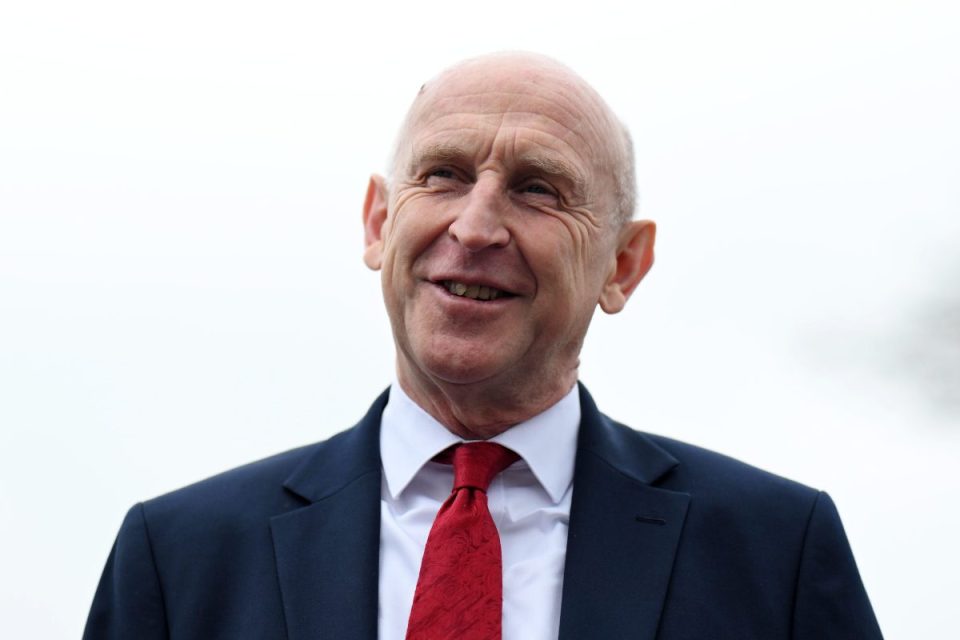
The proposal is – at this stage – just that: a proposal. John Healey has until April next year to accept it. But absent a horrible market reaction – which Threadneedle Street appears to have avoided for now – it seems inconceivable the Chancellor would turn it down.
For the Bank of England there are political upsides too. Controversy around – and criticism of – quantitative tightening had dominated the build up to September MPC meetings ever since they first introduced the unwind in 2022. By setting the course for the next eight years, we can go back to the monetary tool everyone, deep down, cares about more: interest rates.