
by Alimat Aliyeva
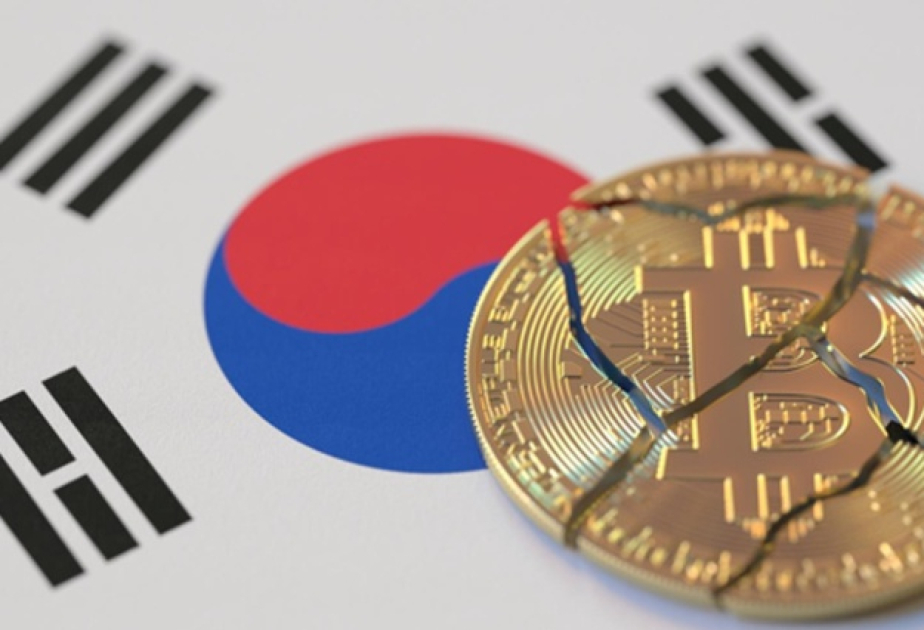
South Korean authorities are preparing to restrict access to 27
cryptocurrency platforms that allegedly provided services to local
users without the required registration.
The decision was announced by South Korea’s Financial
Intelligence Unit (FIU), which is stepping up its efforts to
regulate the digital asset market and protect investors.
The list reportedly includes major international crypto
exchanges such as KuCoin, MEXC, Phemex, XT.com, Bitrue, CoinW,
Poloniex, BTCC, BingX and BitMart, along with other platforms.
Companies whose servers are located in South Korea could be
ordered to cease operations, while access to platforms hosted
abroad would be blocked within the country.
Under the proposed enforcement approach, regulators would no
longer need to wait for users to report financial losses or for a
full investigation to be completed. Establishing that a platform
operates without the required registration could be sufficient to
initiate restrictions.
South Korean law requires companies dealing in virtual assets to
obtain an Information Security Management System (ISMS)
certification and register their activities with the FIU. These
requirements also apply to foreign platforms targeting the South
Korean market. Indicators of local targeting may include a
Korean-language website, advertising aimed at South Korean
residents and support for payments in South Korean won.
Operating without the required registration can carry serious
penalties, including up to five years in prison or a fine of up to
50 million won.
According to the FIU, information on 44 unregistered operators
has already been referred to law enforcement agencies. Registered
cryptocurrency exchanges have also been instructed to restrict
transfers of digital assets to addresses associated with these
companies. In addition, purchases of cryptocurrencies from
unregistered operators using credit cards are being blocked.
An industry investigation conducted in June found that trading
fees on unregistered platforms ranged from 1.5% to 10%. By
comparison, the average fee on South Korea’s five largest exchanges
offering trading pairs denominated in won was approximately
0.16%.
An interesting detail: At the upper end of that range, a 10%
trading fee is more than 60 times the average 0.16% fee cited for
major domestic exchanges. This highlights how choosing a trading
platform can significantly affect an investor’s costs, even before
market volatility is taken into account.
The crackdown reflects South Korea’s broader effort to bring
cryptocurrency trading under tighter regulatory oversight. For
international exchanges, the measures could make access to one of
Asia’s most active crypto markets considerably more difficult,
while users may face fewer options for trading digital assets
outside the domestic regulatory framework.