
On Dec. 19, 2007, Warren Buffett bet that a low-cost index fund built to track the S&P 500 (SNPINDEX:^GSPC) would beat a hand-picked set of hedge funds over the 10 years from the start of 2008 to the end of 2017. It wasn’t close. The index fund returned 125.8% in the decade, or around 8.5% a year. The five funds of hedge funds picked against it returned between 2.8% and 87.7%.
The bet ended nearly nine years ago. With dividends reinvested, the same type of fund has more than tripled since the end of 2017 — a bigger gain in under nine years than the bet’s winner made in all 10.
Missed Nvidia in 2009? This Rare Signal Is Flashing Again. In 2009, a “Double Down” signal flashed for a little-known chipmaker called Nvidia. For the first time in years, that same “Total Conviction” signal is flashing for a company 1/100th the size of Nvidia. Continue »
But I think most of that gap boils down to the year the bet began.

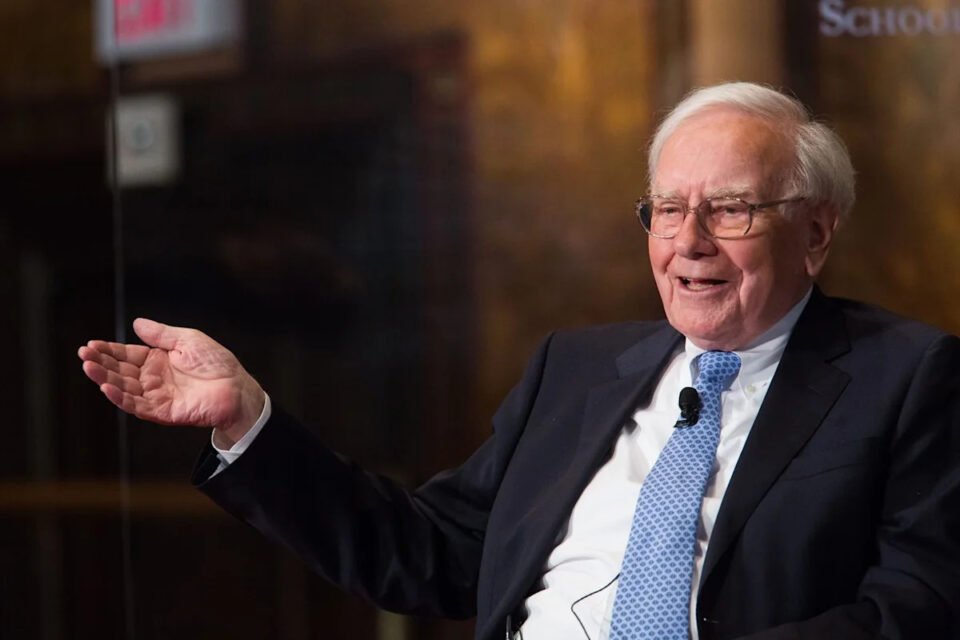
Warren Buffett. Image source: Getty Images.
A lopsided result
Buffett‘s rival was Protégé Partners, an asset manager whose co-manager, Ted Seides, was the only pro to take on his challenge. Protégé chose five funds of funds (funds that invest in a group of hedge funds), but Buffett picked a low-cost Vanguard S&P 500 index fund.
To be fair, the hedge funds started well. All five funds of funds beat the index fund in 2008, when the index fund fell 37%. But in each of the next nine years, the funds of funds as a group lagged it. The best of the five returned 87.7% over the decade, or around 6.5% a year, versus the index fund’s 8.5%. The other four averaged 3.6% a year or less, and one, which was liquidated in 2017, returned just 2.8% over its nine years.
“Performance comes, performance goes. Fees never falter,” Buffett said in his 2017 letter to Berkshire Hathaway shareholders. In the same letter, he estimated investors in the funds of funds paid fixed fees averaging around 2.5% of assets a year, plus the share of gains their managers took.
How has the S&P 500 done since?
To check, I used the Vanguard S&P 500 ETF (NYSEMKT:VOO) as a stand-in. With dividends reinvested, $10,000 put in the fund at the close on Dec. 29, 2017 (the last trading day of the bet) would be worth around $33,300 as of this writing. That’s a gain of about 233%, or almost 15% a year.
The bet’s winner, by comparison, turned $10,000 into around $22,600 in its 10 years.
On price alone, without the dividends, the gain is about 190%. I’m counting dividends because the bet’s scorecard counted them too.