
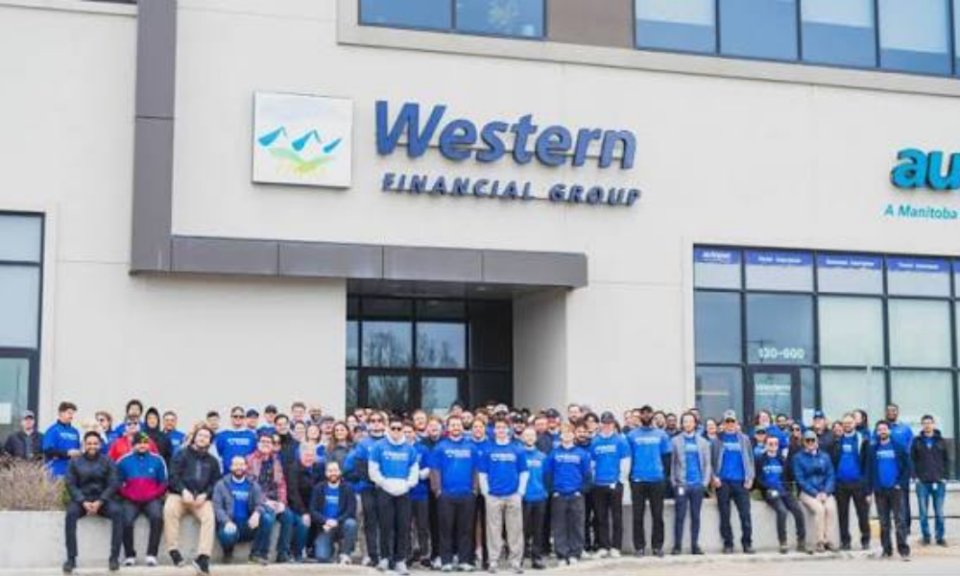
The Western Communities Foundation, the charitable arm of Western Financial Group, is accepting applications for its 2026 Community Infrastructure Grants.
Each grant provides $5,000 toward building, upgrading or renovating publicly accessible community spaces. Eligible projects can improve accessibility, sustainability, health and safety, climate resilience or social connection. Canadian municipalities, registered charities and other qualified donees in communities where Western has a presence can apply until November 15, 2026. Projects must be completed within 12 months and have a total budget of no more than $500,000.
“Community infrastructure is about much more than buildings and public spaces,” said Rod Cunniam, chair of the foundation.
The foundation, which marks its 25th year in 2026, has invested more than $2.6 million in community infrastructure across more than 540 projects. Its wider grants program also includes a grant for members of the Association of Manitoba Municipalities and a grant for Indigenous communities.
Why resilience matters to insurers
The program’s inclusion of climate resilience reflects a priority that is becoming more pressing for Canada’s insurance industry. Severe weather caused more than $2.4 billion in insured damage in Canada in 2025, according to the Insurance Bureau of Canada. IBC said average annual insured losses from catastrophic weather and wildfires have nearly tripled over the past decade.
Community infrastructure plays a direct role in those losses. Better drainage, flood-resistant public buildings, cooling centers and safer gathering spaces can reduce damage and disruption when severe weather hits. They can also serve as emergency shelters or support hubs during evacuations, which became more common during recent wildfire and flood seasons.
What it means for brokers
For brokers, especially those with a strong local presence in smaller communities, programs like this are more than goodwill. Insurers and brokers increasingly see community resilience as part of the long-term answer to rising claims costs and affordability pressure. Communities that invest in mitigation are better placed to keep insurance available and affordable as weather risks grow.
Local involvement also matters commercially. Brokerages that build ties with municipalities, charities and community organizations often become the trusted advisers for those groups’ own insurance needs, from property and liability cover for community facilities to event and volunteer insurance.
For the wider industry, the program is a small example of a broader shift. Insurers and brokers are moving from simply paying claims after disasters to helping communities prevent losses before they happen.