
Councils have had Prevent priority funding cut by more than half in real terms since 2020-21, despite referrals soaring and the Home Office repeatedly underspending its budget, the National Audit Office has found.
The spending watchdog found Home Office priority funding for high-risk council areas fell from £9.5m across 45 authorities in 2020-21 to £4.4m across 27 authorities in 2026-27.
It also revealed that 148 out of 172 local authorities have experienced an increase in Prevent referrals over the last two years. Comparing April 2024 to January 2025 with April 2025 to January 2026, 19 councils saw referrals more than double, with 66 seeing an increase of 50% or more.
Meanwhile, the Home Office underspent its internal Prevent budget by £33.7m in real terms over six years from 2020-21 to 2025-26 – an average underspend of £5.6m, or 17%, a year – including a 28% underspend on its £23.4m allocation in 2025-26.
The NAO also found that Whitehall lacks a complete picture of Prevent’s full cost within the £3bn annual counter-terrorism budget because it does not track council spending on multi-agency Channel panels, set up locally to discuss cases.
It said falling funding was taking its toll. The report said: “The Home Office recognises the importance of Prevent education officers (PEOs) in supporting school and college staff to make appropriate referrals.
“Those in these roles are employed by local authorities, but their salaries often come from Home Office priority area funding. However, reductions in Home Office funding have resulted in several local authorities cutting PEO roles.”
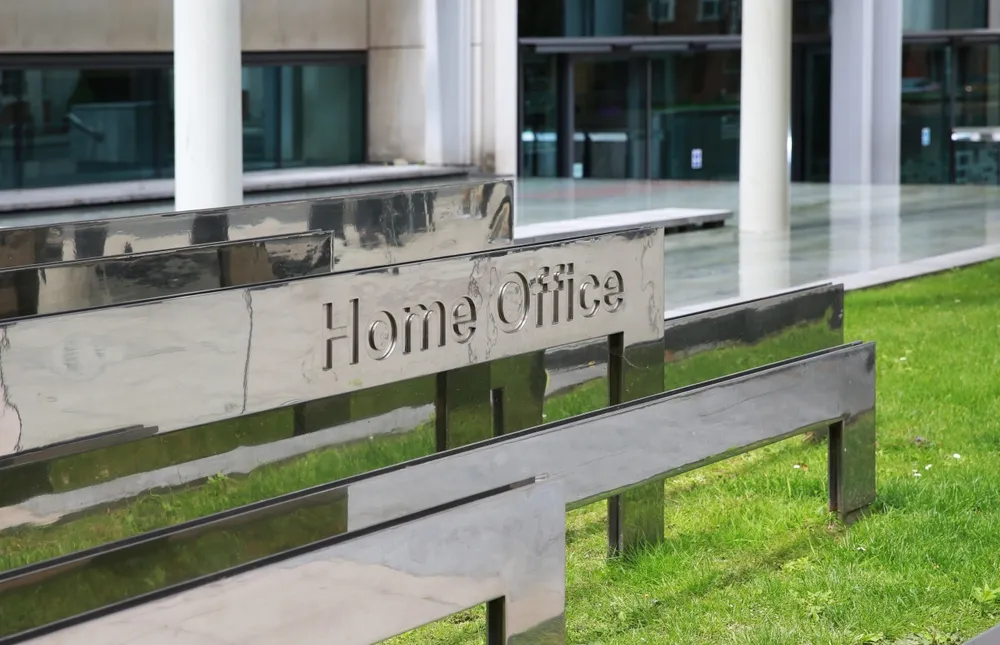
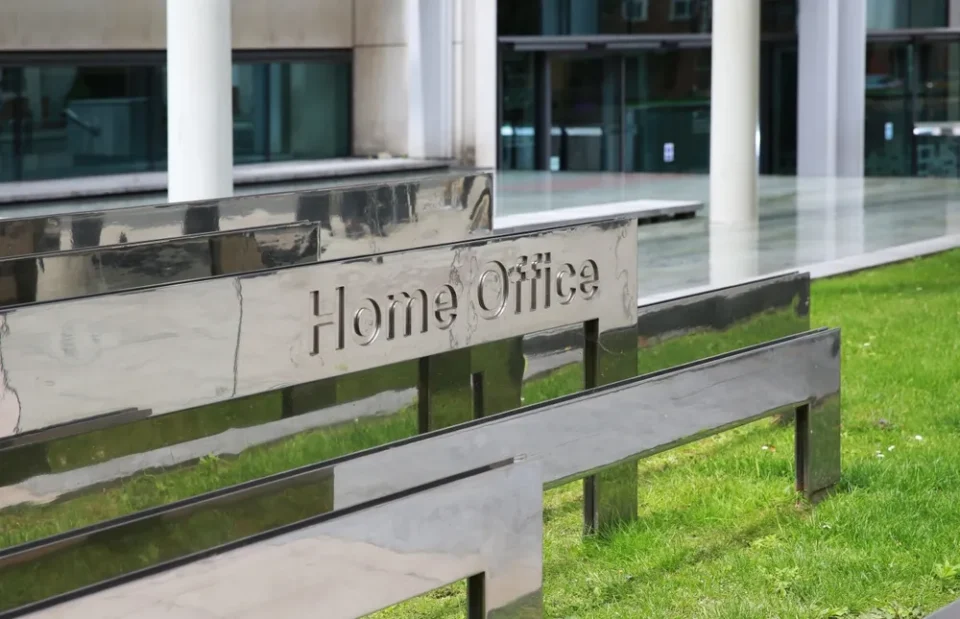
The building sign outside the government Home Office building. Credit: Patrick Shutterstock / Shutterstock.com
The NAO said the number of Home Office-funded PEO roles fell from 46 in 2021‑22 to 22 in 2025-26.
Kelly Fowler, CEO of Belong, the Cohesion and Integration Network, said the figures sent a “worrying signal about the government’s priorities” at a time when communities across the country were “facing growing pressures, rising tensions and increasing division”.
She added: “Local authorities are on the frontline of responding to these challenges, yet too often they are being asked to do more with less. Through Belong’s research and the work we are doing across the country, we know that preventing extremism, strengthening community cohesion and building resilience require sustained investment, strong local partnerships and long-term commitment. Prevent may not be the only programme to do this – but the resources are needed to tackle the issues no less.”
The funding squeeze coincides with growing pressure on the 159 multi-agency Channel panels set up by local authorities in England and Wales.
Referrals rose year-on-year since 2020 to a record 10,293 in the year ending September 2025, potentially driven by heightened awareness following the 2024 Southport attack, NAO said.
It added that, while panels take a strong multi-agency approach across policing, health, education and social care, delays in partner information requests often force them to make decisions with incomplete data.
Case complexity has also shifted markedly. Only 30% of referrals in the year ending September 2025 involved a clear, dominant extremist ideology, down from 73% in 2017.
How councils are involved in Prevent
- Designated as “specified authorities” under the Counter-Terrorism and Security Act 2015, UK councils treat Prevent as a safeguarding and community-resilience function
- Under Section 26, authorities must have due regard to preventing people from being drawn into terrorism by producing local risk assessments using police Counter-Terrorism Local Profiles, coordinating multi-agency boards and training frontline staff
- Under Section 36, councils in England and Wales establish and chair voluntary Channel panels to arrange tailored support
- Authorities also reduce permissive environments through venue-hire checks, public Wi-Fi filtering, commissioning clauses and school support
- Around 30 Prevent priority areas receive dedicated Home Office co-ordinator funding.
Under new categories introduced in April 2024, 8% of referrals now involve violence-fixated or violence-fascinated individuals who lack a clear ideology but exhibit a fascination with extreme violence or mass-casualty attacks. Yet the Home Office and Counter Terrorism Policing still lack unified Channel thresholds for these people.
Gareth Davies, head of the NAO, said: “Prevent is operating in an increasingly complex environment, with record referrals and changing patterns of risk.
“To build on the positive cross-agency work at the heart of the programme, the Home Office needs to strengthen its financial management, oversight and evaluation of the programme so it can build on what is working and ensure the programme is ready for the challenges ahead.”
Sir Geoffrey Clifton-Brown Brown, chair of the Public Accounts Committee, said: “There are no longer clear ideological drivers behind referrals, and the Home Office must keep pace and adapt. Today’s NAO report shows a mismatch between the record-high demand and yet persistent underspending, which raises serious questions about the Home Office’s management of the programme.
“As it considers Prevent’s future, the Home Office must show that it can respond to changing risks and target its resources effectively to reach those most at risk of radicalisation, prevent acts of terrorism and ultimately save lives.”
The Home Office has been contacted for comment.