
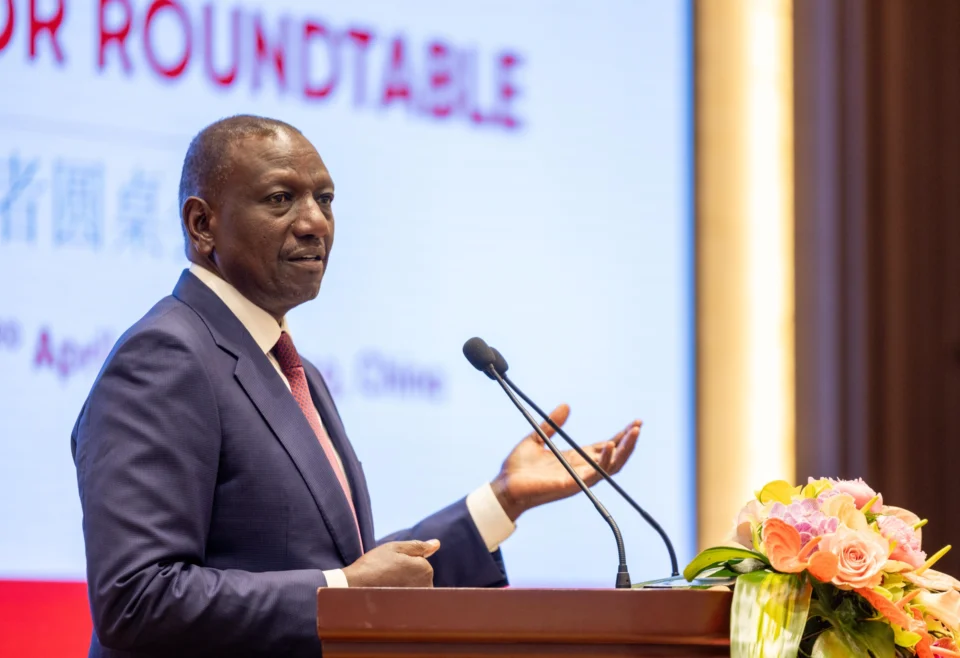
President William Ruto is pushing for the full implementation of the Treasury Single Account (TSA), a public finance reform expected to tighten government payroll management, close financial loopholes and strengthen the protection of taxpayers’ money.
The initiative seeks to bring government banking operations under a consolidated financial management system supervised by the National Treasury, giving the government greater oversight of public revenue, expenditure and available cash across its institutions.
At the centre of the proposed changes is the fight against ghost workers, duplicate salary payments and manipulation of government payroll records. Under the centralised arrangement, salary transactions are expected to face stronger verification, linking payments to authenticated personnel records and individual banking details. This would make it harder for fictitious employees to receive government salaries or for multiple payments to be processed against the same employment records.
Payroll management remains one of the critical areas requiring continuous monitoring and accountability in public institutions. Eliminating fraudulent salary transactions would translate into savings that could be redirected towards essential services, development projects and the settlement of legitimate obligations.
The TSA is also expected to improve the management of idle government funds. A consolidated view of public finances would let the National Treasury identify institutions holding surplus cash while other agencies need additional resources to meet their obligations.
Such an arrangement could reduce unnecessary borrowing and the interest costs that arise when government funds remain scattered across commercial bank accounts even as the State seeks loans to finance expenditure.
The success of the TSA will depend on how effectively it is implemented across government institutions, including State corporations and county governments. The integration of county financial systems will need particular attention to ensure that improved national oversight does not interfere with the constitutional autonomy and financial responsibilities of devolved governments.
Centralising government accounts does not automatically eliminate corruption. Procurement irregularities, inflated project costs, questionable payments and deliberate manipulation of financial records require independent investigations, effective audits and prosecution where wrongdoing is established. The government must therefore ensure that the TSA is backed by strong institutional safeguards and not rely exclusively on technology to prevent financial misconduct.
The greatest measure of success will be whether the system closes opportunities for public money to disappear through fraudulent payrolls, unauthorised transactions and inefficient financial management. For ordinary Kenyans, the expectation is fewer financial leakages, better use of public resources and greater accountability in the management of money collected through taxation.