

Kenya
CBK Draft Bill Seeks Powers to Raid Payment Firms and Remove Executives
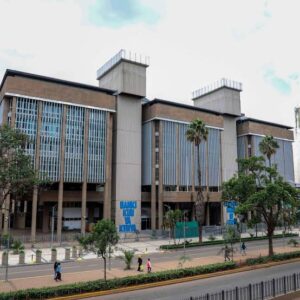 The Central Bank of Kenya (CBK) has issued the draft National Payment System Bill, 2026, introducing direct supervisory powers that allow the regulator to conduct unannounced raids, inspect records, and remove corporate executives at payment service providers. The Bill also establishes stricter capital buffers, mandatory interoperability rules, and 10 new licensing tiers for digital lenders and payment gateways. Corporate legal teams, payment aggregators, and fintech boards must prepare for stricter compliance enforcement, executive vetting, and operational audit risks.
(Source: Business Daily)
Tanzania
Bank of Tanzania Highlights US$12B Climate Finance Gap in Regional Dialogue
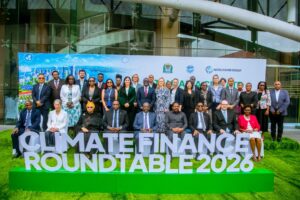 At a Climate Finance Dialogue held at the Bank of Tanzania (BoT) headquarters, government officials confirmed a US$12 billion funding gap in national climate resilience and sustainable infrastructure initiatives. The state highlighted that closing this deficit will require structured co-financing, public-private partnerships (PPPs), and targeted green bonds. Concurrently, the Ministry of Agriculture issued an administrative deadline directing tobacco-buying companies to settle all outstanding farmer arrears. Agri-processors, institutional lenders, and green fund managers should track emerging sustainable finance frameworks and stricter supply-chain payout enforcement.
(Source: Daily News)
Uganda
Mining Infrastructure Recommissioning Signals Stricter ESG Compliance Rules
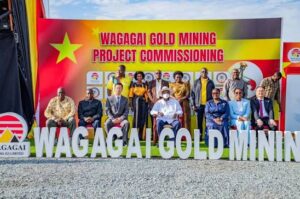 Commercial gold mining operator Wagagai commissioned rebuilt public school infrastructure in Busia District following regulatory and local community engagements regarding operational impact. Local government authorities emphasised that future industrial and resource extraction licences will enforce strict corporate environmental, social, and governance (ESG) compliance, site restoration, and community resettlement obligations. Corporate legal counsel, mining concession holders, and infrastructure contractors face elevated regulatory oversight on local social licence mandates and asset restoration.
(Source: The Independent)
Rwanda
Rwanda Explores Modular Nuclear Reactors to Anchor Base-Load Power for Industry
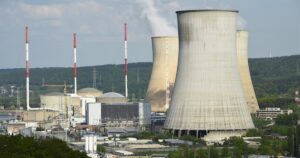 The Ministry of Infrastructure continues technical and funding framework evaluations for Small Modular Reactors (SMRs) to expand grid capacity and stabilise manufacturing power costs without overburdening national debt reserves. The policy push is designed to supply stable base-load electricity to expanding special economic zones (SEZs) and technology hubs. Heavy industrial manufacturers, corporate real estate developers, and energy investors should evaluate long-term utility cost trajectories and emerging clean-tech procurement opportunities.
(Source: The New Times)
Ethiopia
Commercial Banks Navigate Market-Driven Forex Allocations Under Macro Reforms
 Under the National Bank of Ethiopia’s (NBE) ongoing macroeconomic reform framework, commercial banks continue adjusting foreign exchange allocations through market-determined clearing rates. The shift has begun easing chronic import settlement delays for primary manufacturing inputs and essential commodities, though banks report short-term local-currency liquidity realignments. Corporate finance directors operating in Ethiopia must adjust trade balance expectations and foreign currency hedging strategies as open market rates stabilise.
(Source: ENA)
Sudan
Sudanese Pound Weakens Past 8,000 Threshold, Escalating Import Settlement Costs
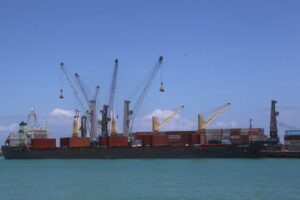 The Sudanese pound depreciated sharply in parallel market trading, dropping past 8,000 per US dollar due to depleted central bank reserves and acute foreign exchange shortages. The currency fall, combined with elevated war-risk maritime insurance premiums, has sharply increased landing costs for fuel, staple commodities, and commercial freight. Import-export businesses, cross-border traders, and humanitarian logistics suppliers face extreme margin compression and trade settlement bottlenecks.
(Source: Sudan Tribune)
Somalia
Government Launches Public-Private Investment Framework at Mogadishu Showcase
 The Federal Government of Somalia launched a national trade and tourism exhibition in Mogadishu to formalise service-sector growth, digital trade integration, and municipal infrastructure projects. Prime Minister Hamza Abdi Barre highlighted upcoming commercial reforms, including human resource development, digital payment interfaces, and investment protection frameworks for private enterprises. Regional investors and logistics operators should monitor emerging public-private partnership (PPP) tenders and trade corridor security protocols.
(Source: SONNA)