
The past six weeks have been tough for Nvidia (NASDAQ:NVDA) and its shareholders. In October, growing concerns about how businesses will finance future build-outs for artificial intelligence (AI) started weighing on semiconductor stocks.
In early November, the mid-term election results showed a clear rebuke of massive data centers and the potential for increased regulations to slow development. And, of course, Jensen Huang’s affairs with an alleged Chinese spy and two employees ultimately led to his temporary resignation, leaving Nvidia without a permanent CEO for 11 days.
Missed Nvidia in 2009? This Rare Signal Is Flashing Again. In 2009, a “Double Down” signal flashed for a little-known chipmaker called Nvidia. For the first time in years, that same “Total Conviction” signal is flashing for a company 1/100th the size of Nvidia. Continue »
The end result is a stock well off its all-time high, despite having just reported third-quarter revenue and earnings growth that both exceeded 100%. CFO and interim-CEO Colette Kress said it’s “business as usual” at Nvidia, painting an optimistic picture on the company’s earnings call. So, with the stock trading at a level rarely seen in the past year, should investors consider buying the stock? Warren Buffett’s long-held investment philosophy can provide the answer to that question.

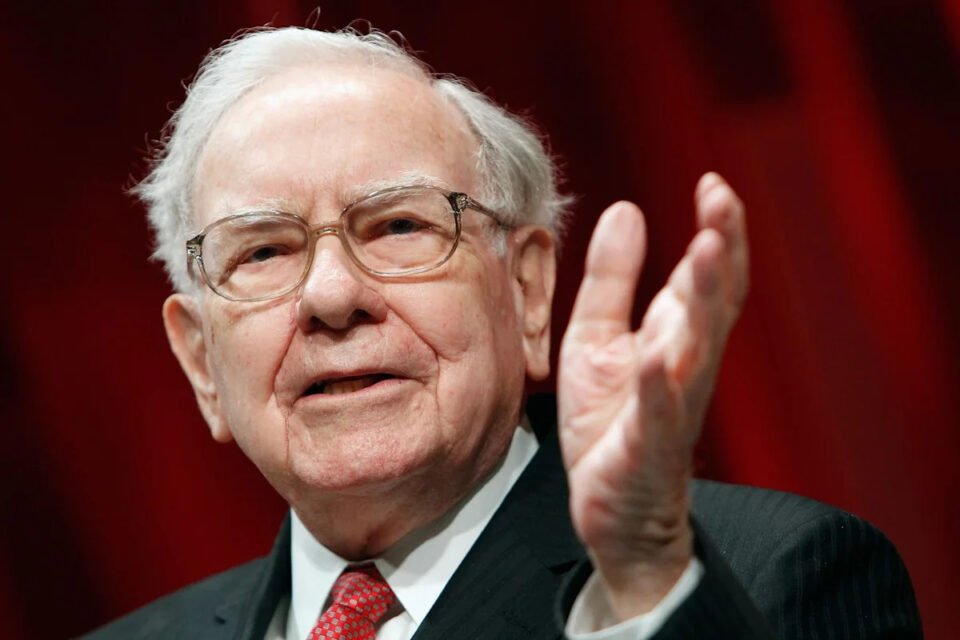
Warren Buffett. Image source: Getty Images.
Is it time to get greedy with Nvidia?
Many investors might look at Nvidia’s drop and think, “The market is fearful; I should get greedy.” After all, Kress just increased her guidance for fiscal 2028 revenue growth from 70% to 75%. Wall Street analysts see Nvidia’s earnings per share climbing above $16 next year. The stock trades at ridiculously low multiples.
While it’s true that Buffett has long noted that one of the keys to his success as an investor is “to be greedy only when others are fearful,” that’s not the only requirement for a good investment. Buffett also only invested in stocks when he had a high degree of confidence in their future. If a company was deemed too difficult to understand or forecast, he stayed away.
“Investors should remember that their scorecard is not computed using Olympic-diving methods: Degree-of-difficulty doesn’t count,” Buffett wrote in his 1994 letter to Berkshire Hathaway (NYSE:BRKA) (NYSE:BRKB) shareholders. “If you are right about a business whose value is largely dependent on a single key factor that is both easy to understand and enduring, the payoff is the same as if you had correctly analyzed an investment alternative characterized by many constantly shifting and complex variables.”