
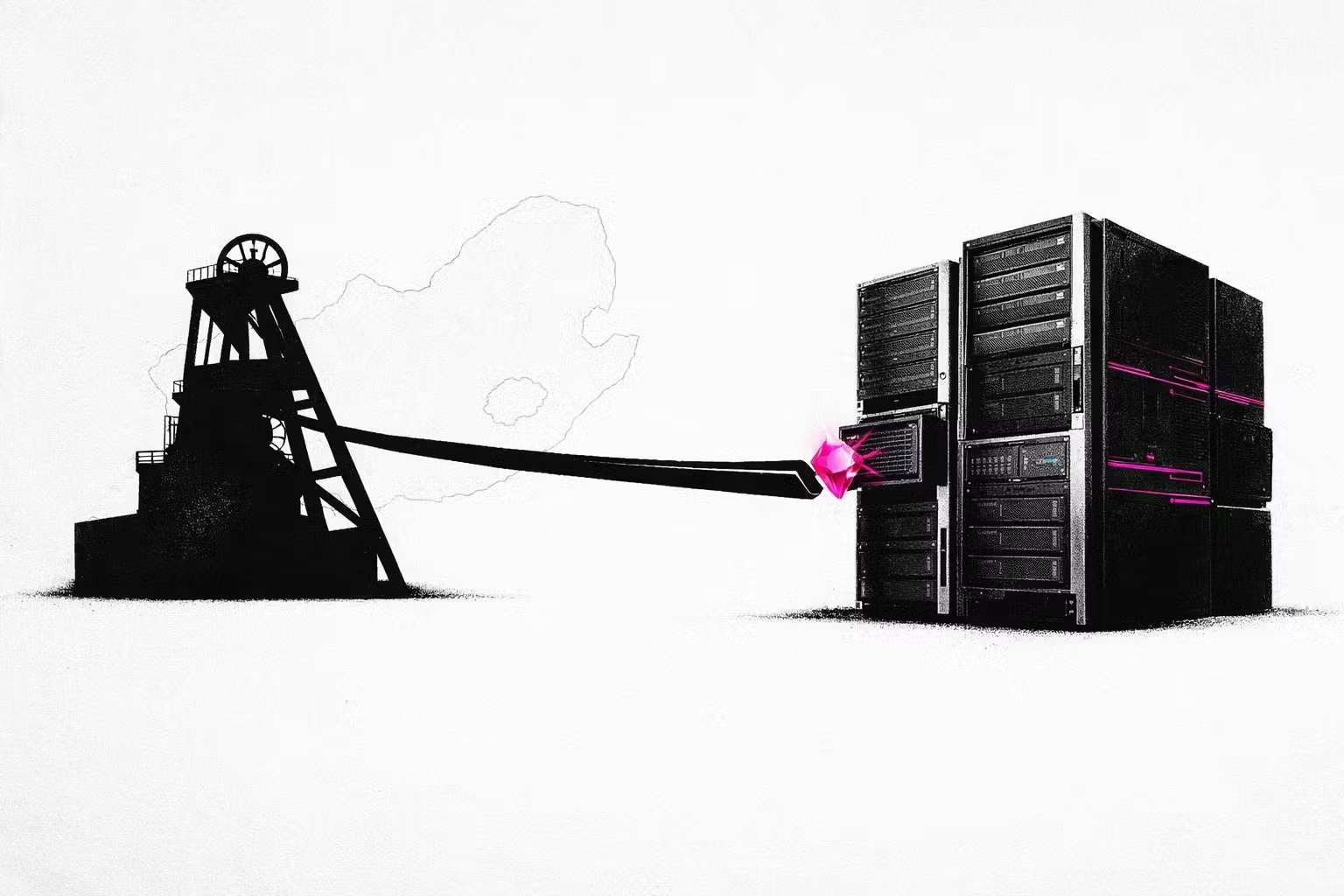
y surge because most ruthenium is produced as a by-product of platinum-group metals, and that production is heavily concentrated in South Africa.
Why should I care?
For markets: Small metals can become big bottlenecks.
Metals Focus expects a 203,000-ounce deficit in 2026, a reminder that specialized inputs can tighten fast when new tech demand hits. And because by-product supply depends on broader platinum-group mining, weaker output can ripple into higher prices for these smaller metals. That’s why investors often watch “picks-and-shovels” materials to spot where cost pressure could show up next across the AI supply chain.
Zooming out: Tech-speed demand runs into mine-speed supply.
Ruthenium is a case study in how modern computing leans on old-world extraction. Northam Platinum says South African PGM production has been sliding for years, partly due to limited investment in new mines over the past two decades. If underinvestment persists while AI infrastructure keeps scaling, more niche commodities could see the same mismatch – demand that accelerates quickly, and supply that takes years to expand.