
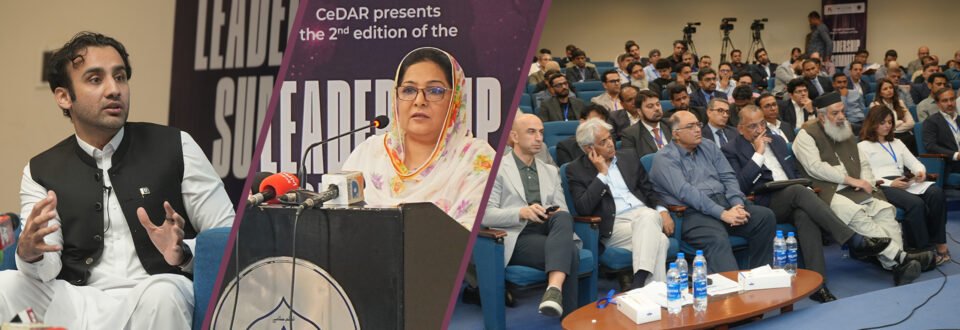
The LUMS Centre for Digital Assets Research (CeDAR) hosted the second edition of the Leadership Summit ‘Blockchain and Digital Assets: Technology and Policy 2026’ at LUMS on May 2–3, 2026. Building on the success of its inaugural edition in Islamabad in August 2025, the two-day summit brought together more than 200 policymakers, regulators, financial institutions, industry leaders, academics, and students to explore Pakistan’s evolving digital assets landscape.
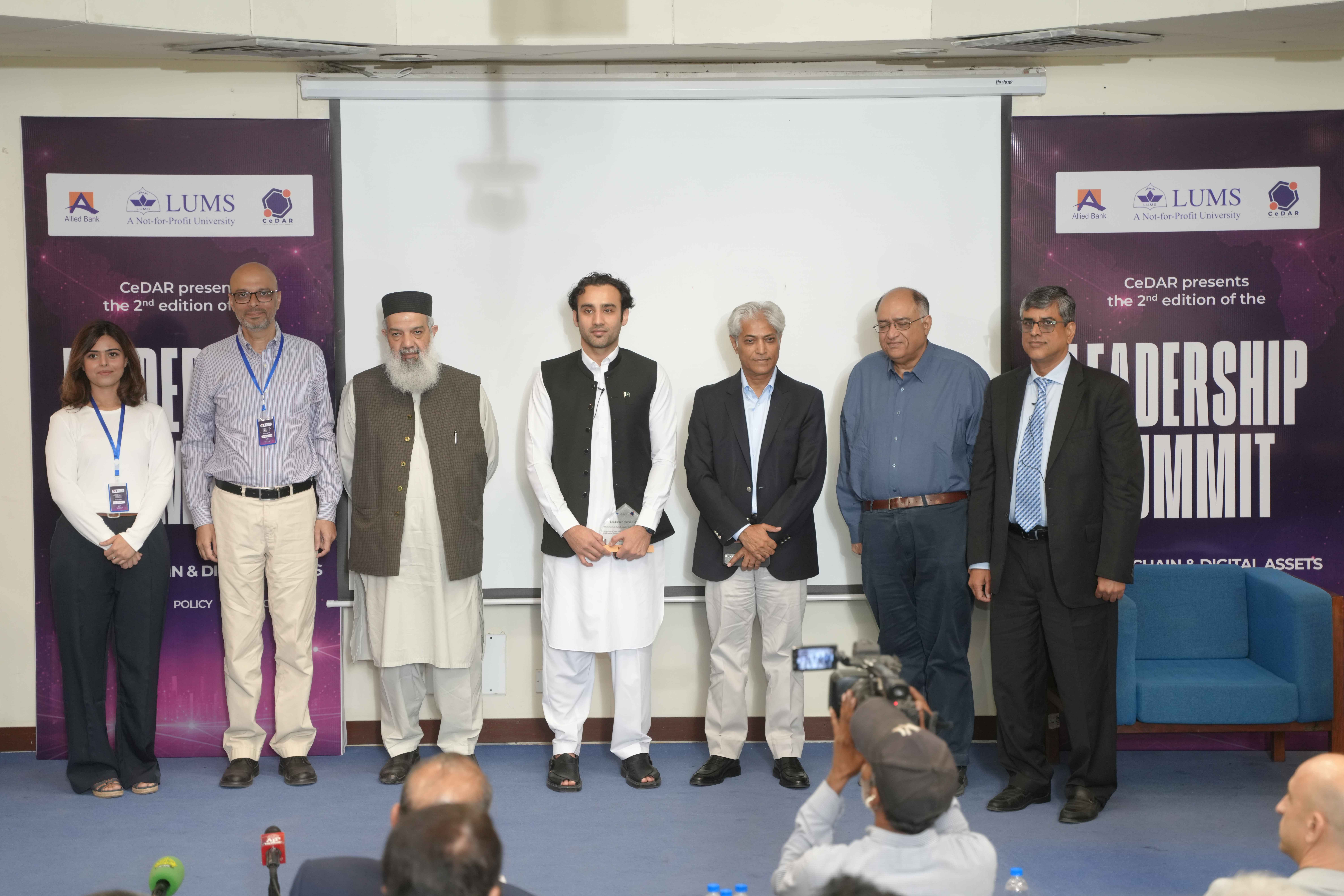
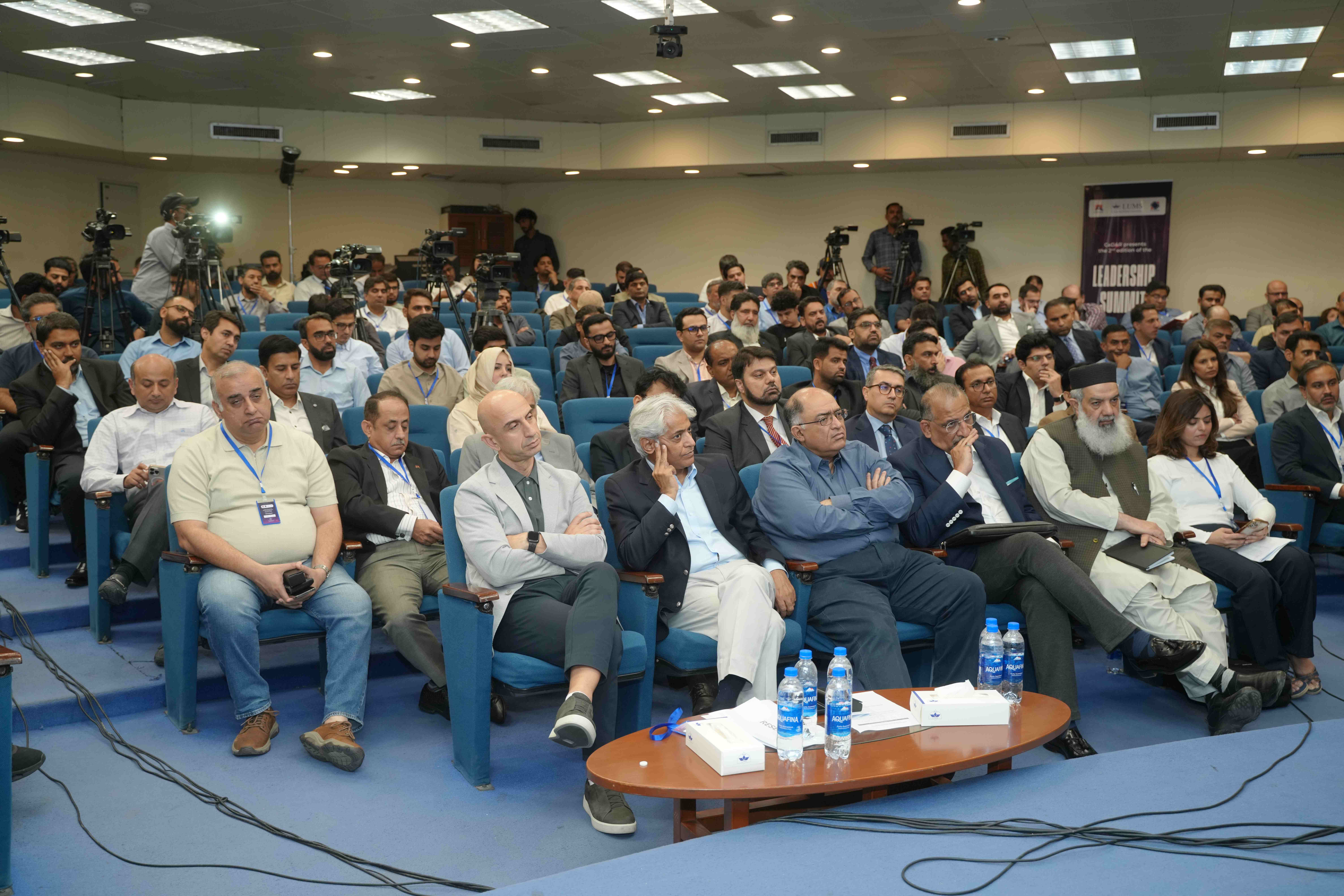
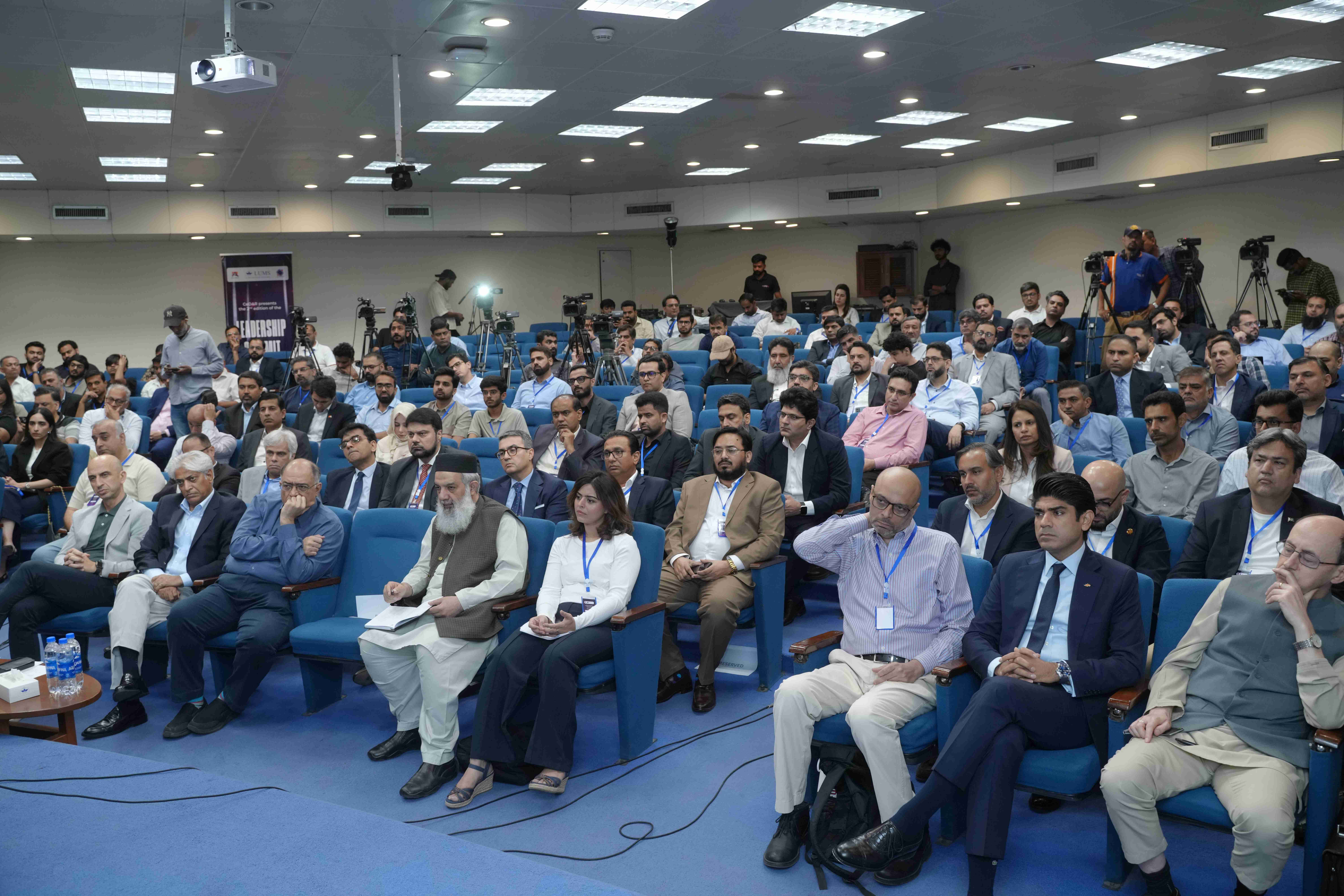
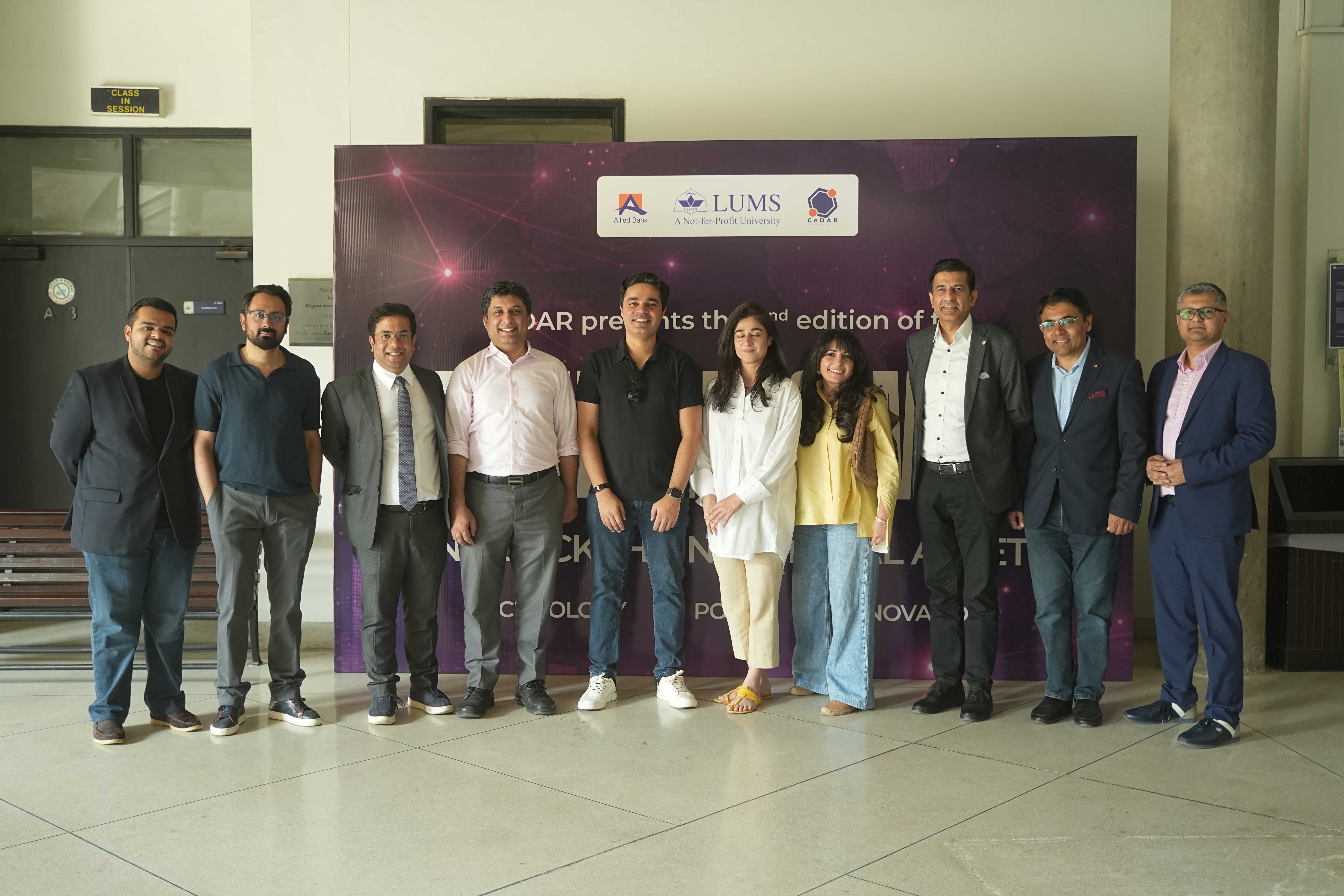
Co-hosted and sponsored by Allied Bank, the summit focused on the intersection of blockchain, digital assets, artificial intelligence, financial innovation, and regulatory policy. Through keynote addresses, expert-led sessions, panel discussions, and technology demonstrations, participants examined emerging developments in cryptocurrency ecosystems, tokenisation, AI-enabled financial systems, digitally inclusive payment infrastructure, and the regulatory frameworks needed to support responsible innovation.
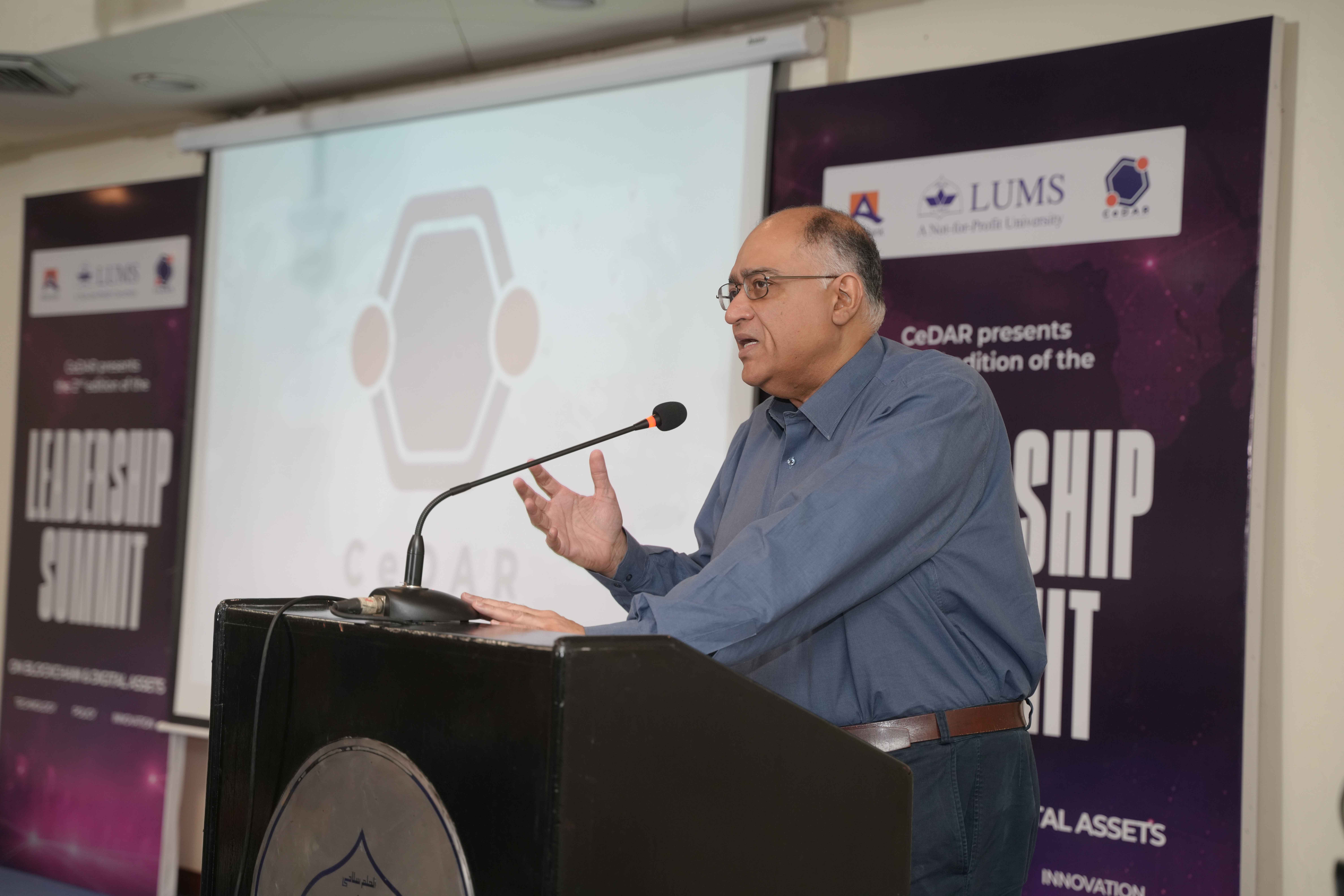
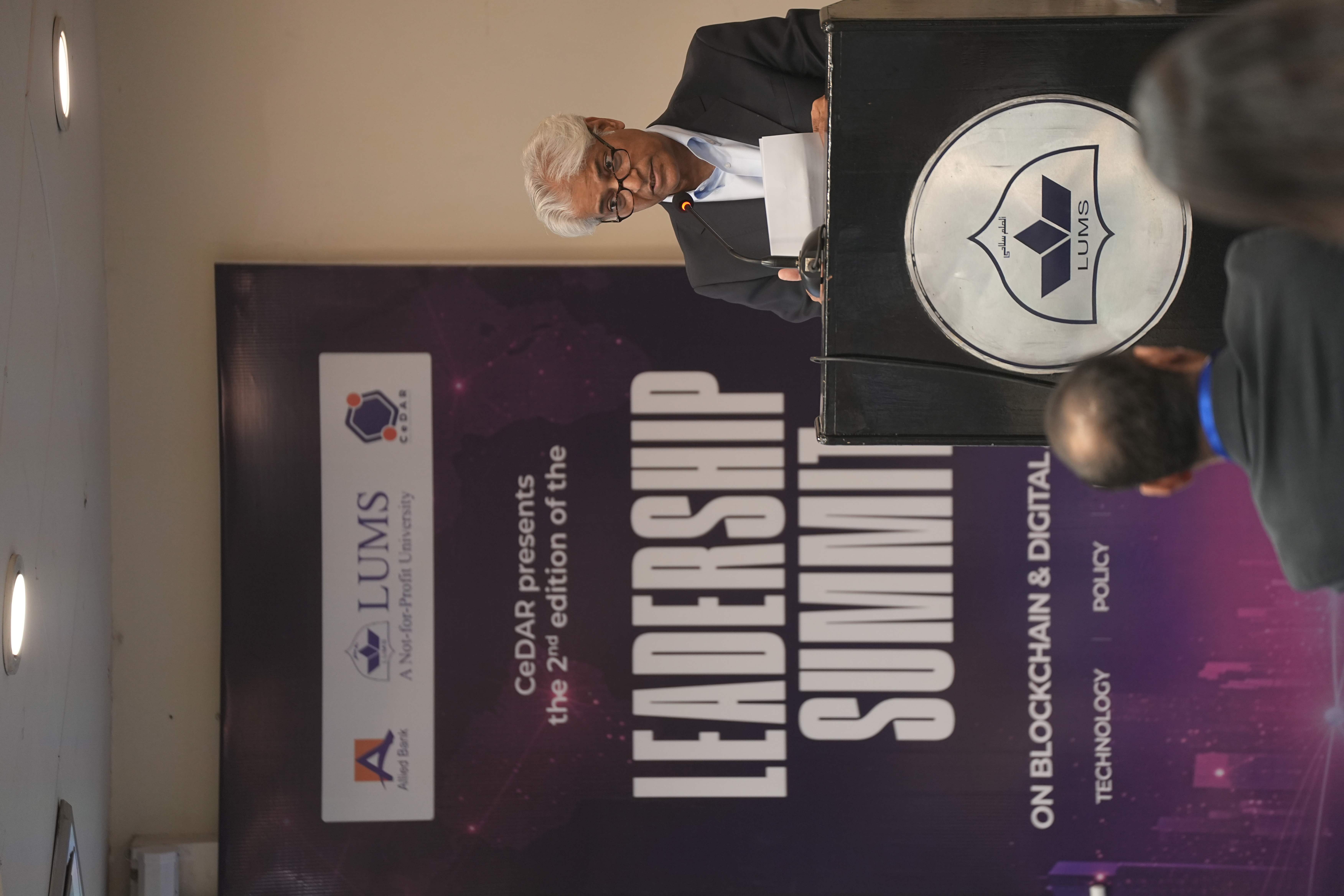
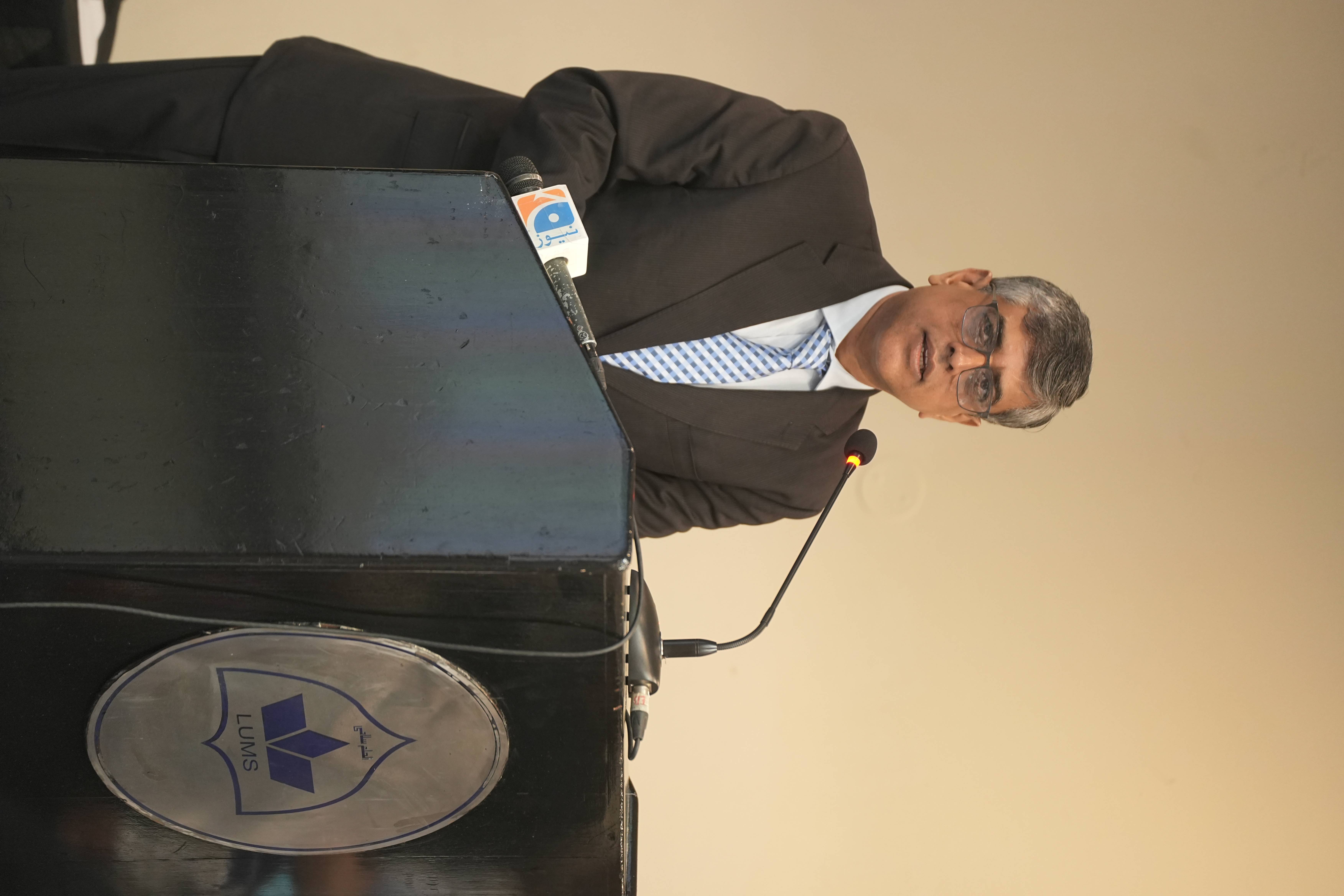
The summit opened with remarks by Dr. Ali Cheema, Vice Chancellor, LUMS, followed by a welcome address by Mujahid Ali, Chief Technology and Digital Transformation, Allied Bank, who reaffirmed the bank’s commitment to digital innovation. Dr. Basit Shafiq, Director, CeDAR, outlined the Centre’s vision and the summit agenda, highlighting the importance of informed dialogue between academia, industry, and policymakers.
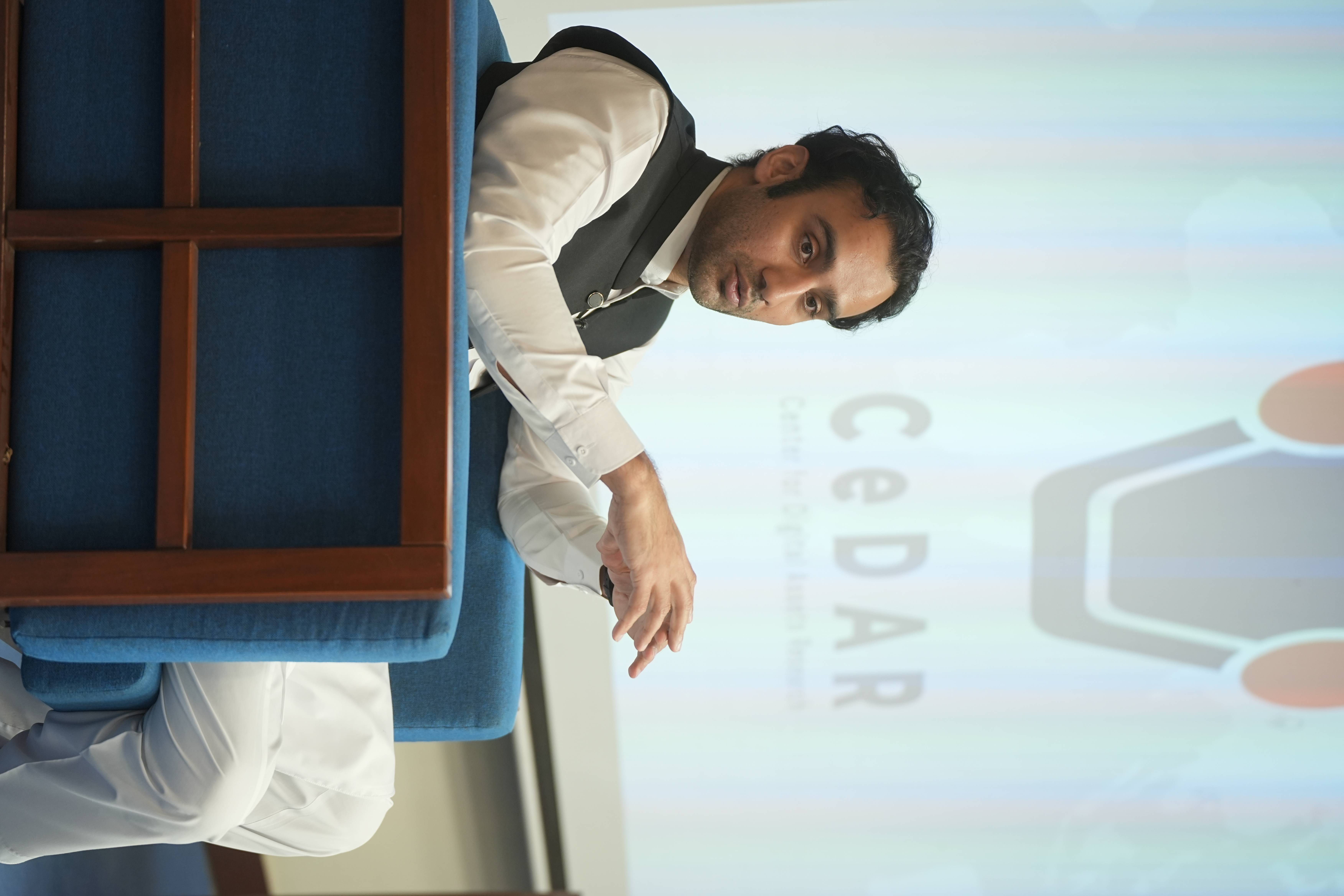
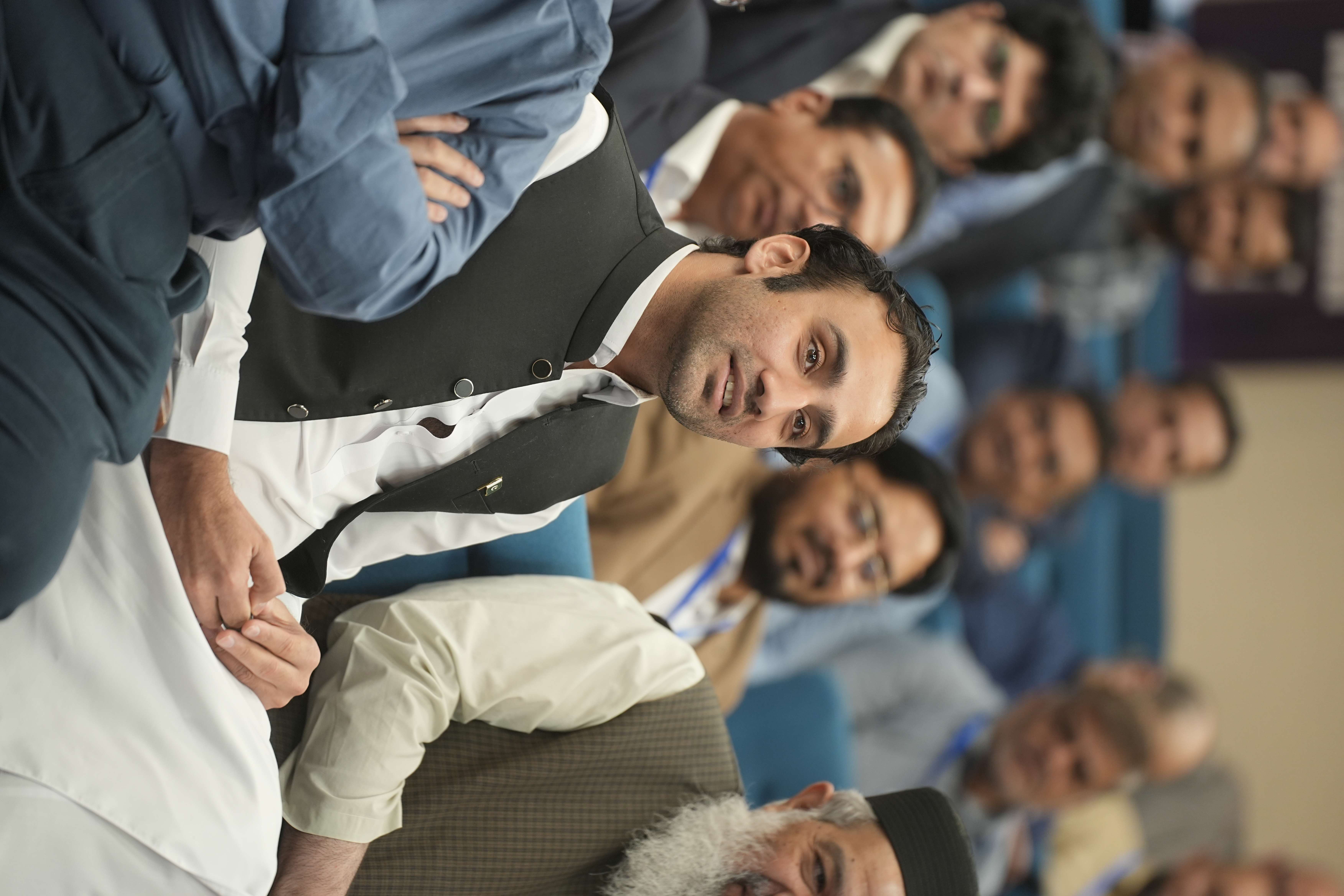
A key highlight of the summit was a fireside chat with Bilal Bin Saqib, Minister of State and Chairman of the Pakistan Virtual Assets Regulatory Authority (PVARA). He spoke about Pakistan’s efforts to develop a regulated, transparent, and investor-friendly digital assets ecosystem. He also emphasised the transformative potential of blockchain across sectors, the need to equip young people with advanced digital skills, and the importance of collaboration between academia, industry, and government in shaping robust regulatory frameworks.

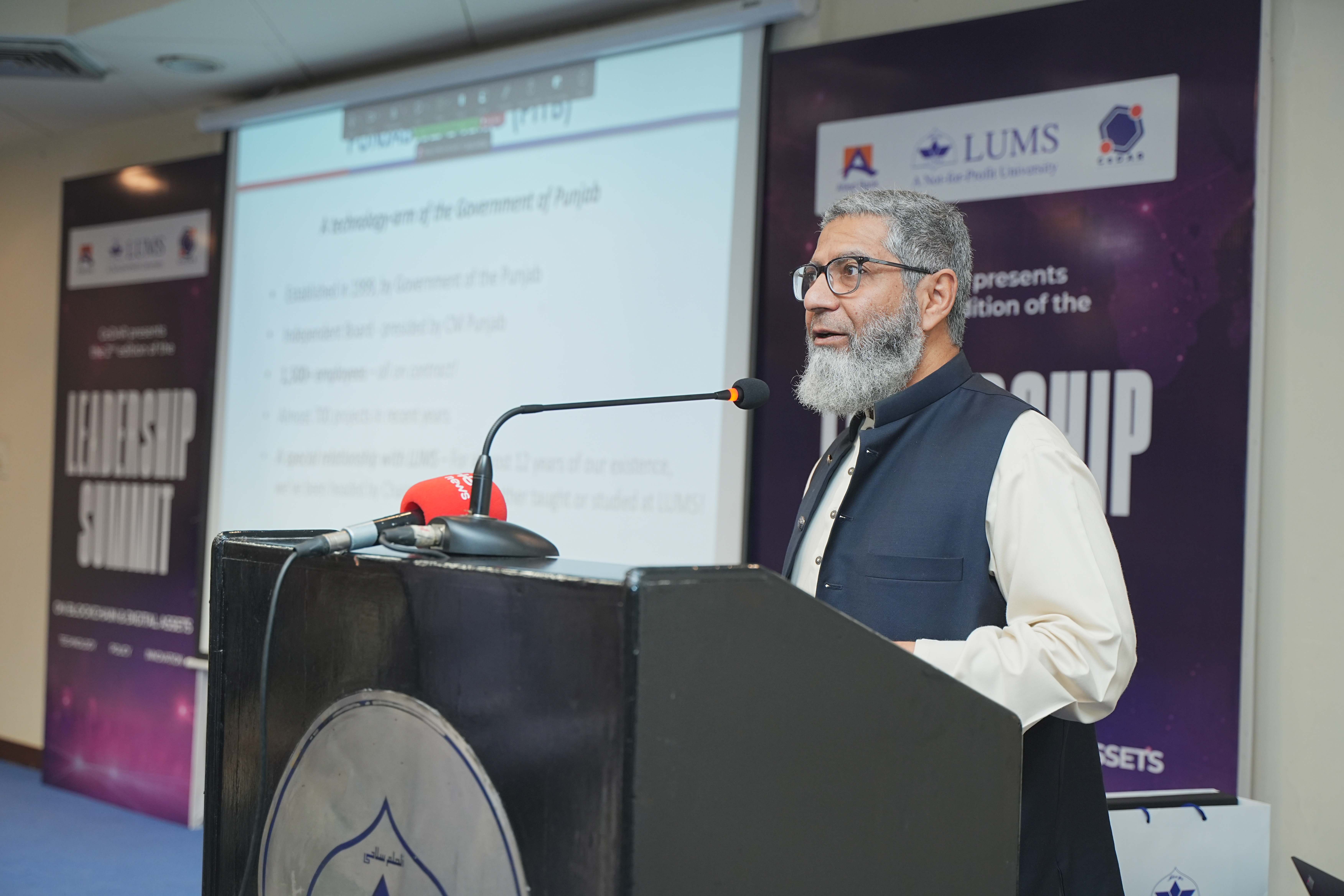
Day two opened with remarks by Dr. Walther Schwarzacher, Dean, Syed Babar Ali School of Science and Engineering, LUMS, who highlighted the role of collaboration between government, industry, and academia in driving sustainable innovation. Waqar Naeem Qureshi, Director General – IT Solutions, Punjab Information Technology Board (PITB), presented the Government of Punjab’s AI initiatives for public service delivery.
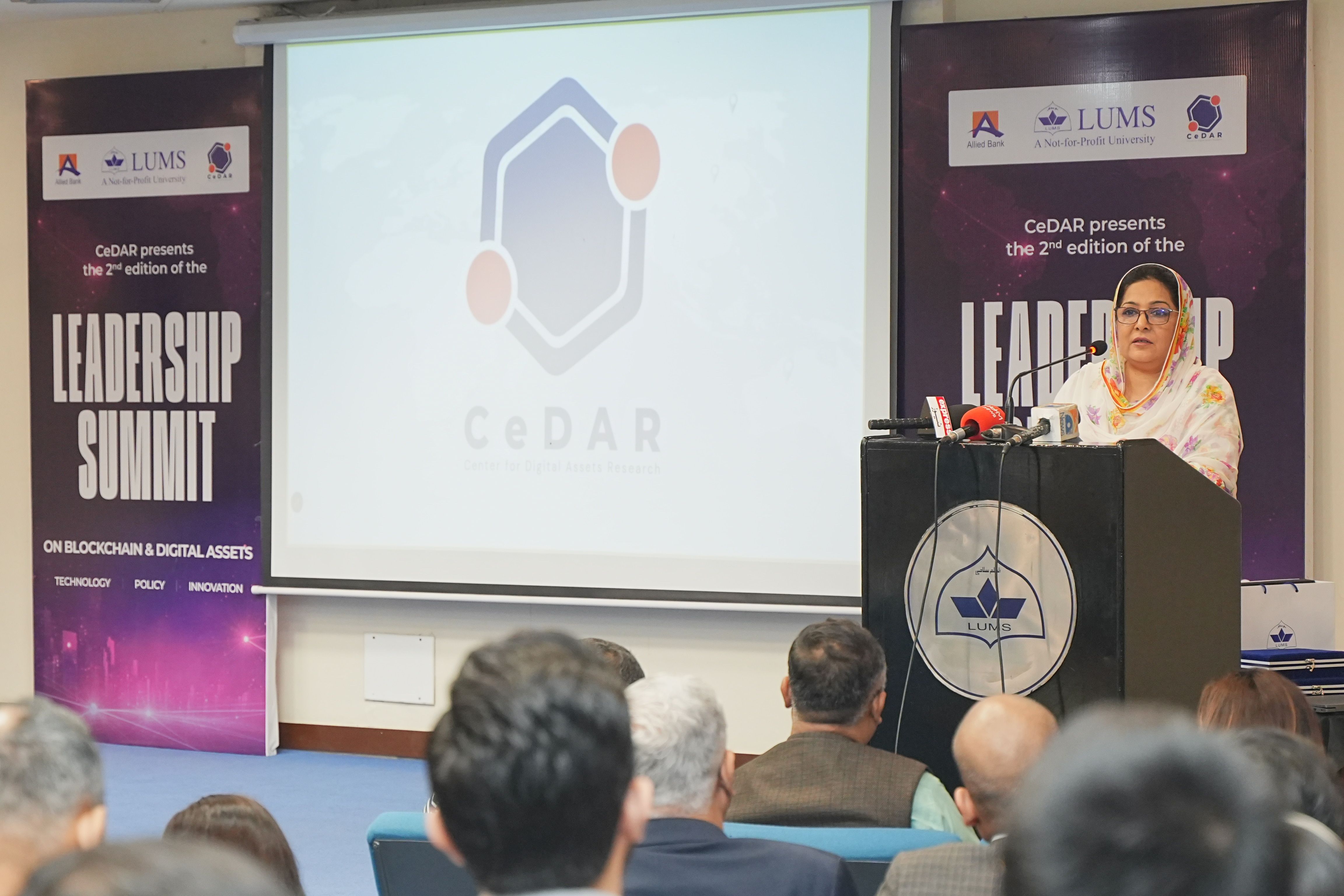
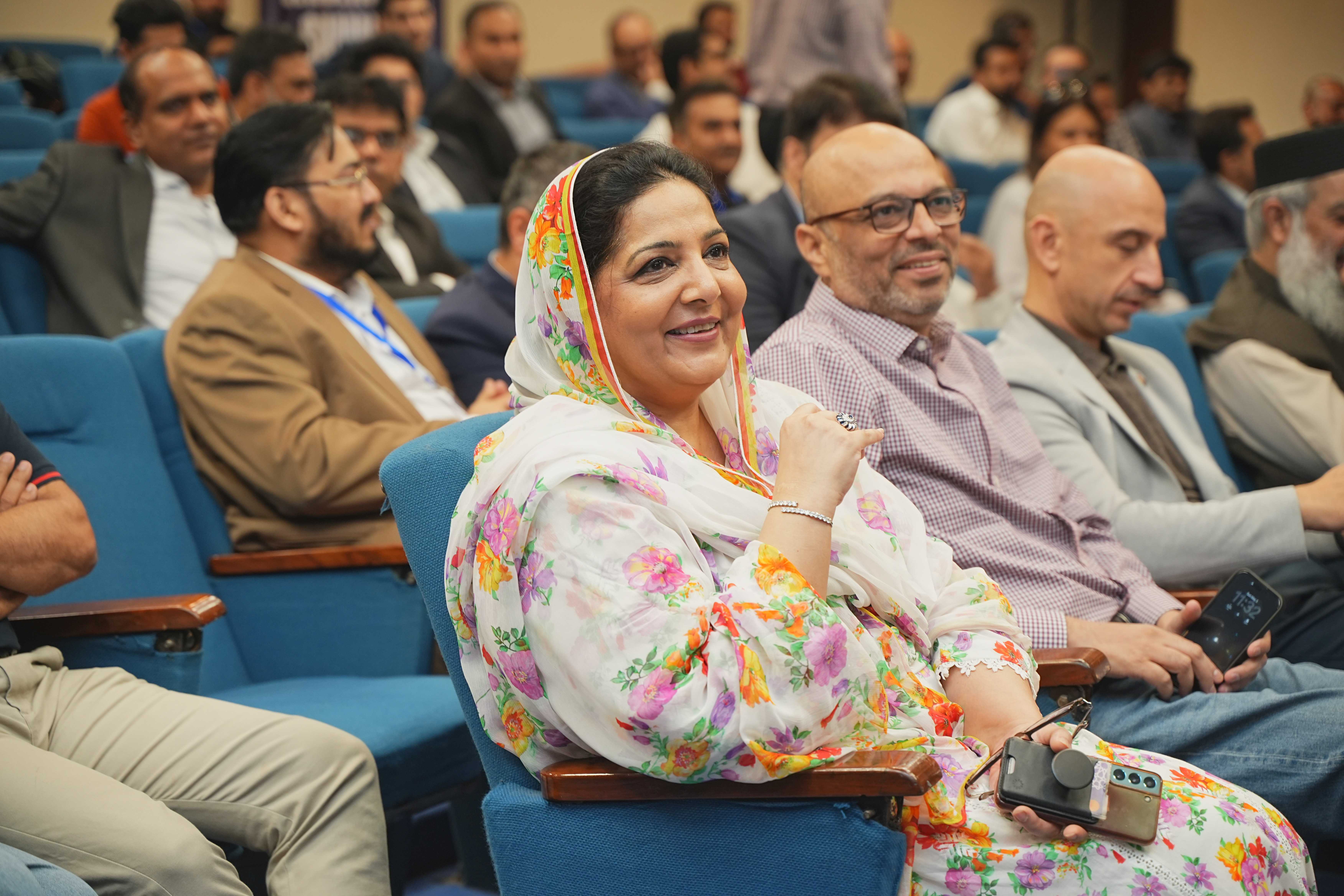
Anusha Rahman Khan, Senior Advisor to the Chief Minister of Punjab on IT and Innovation and former Federal Minister for IT and Telecom, delivered a keynote address on the importance of strong governance, regulatory clarity, and institutional readiness in supporting Pakistan’s digital transformation.
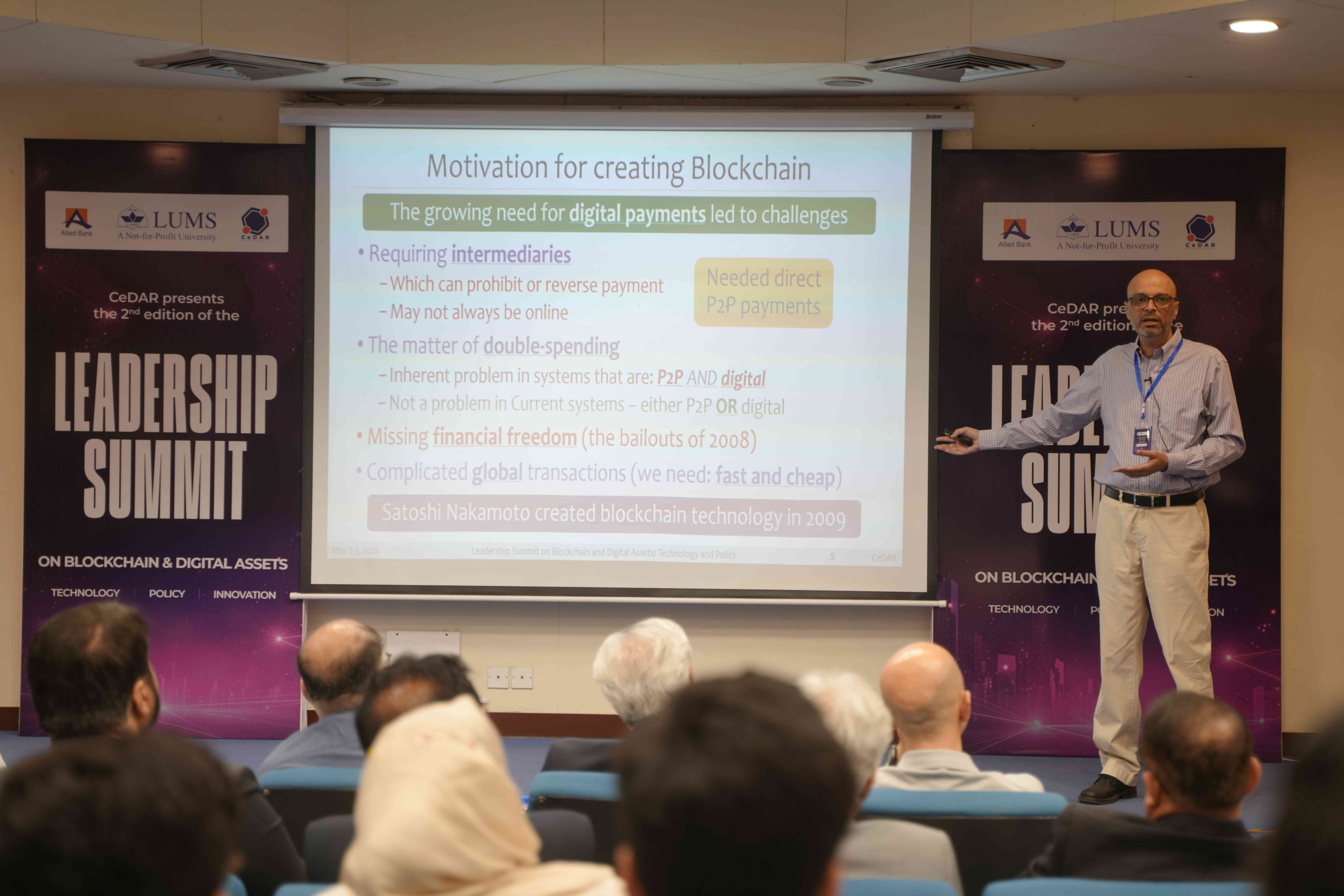
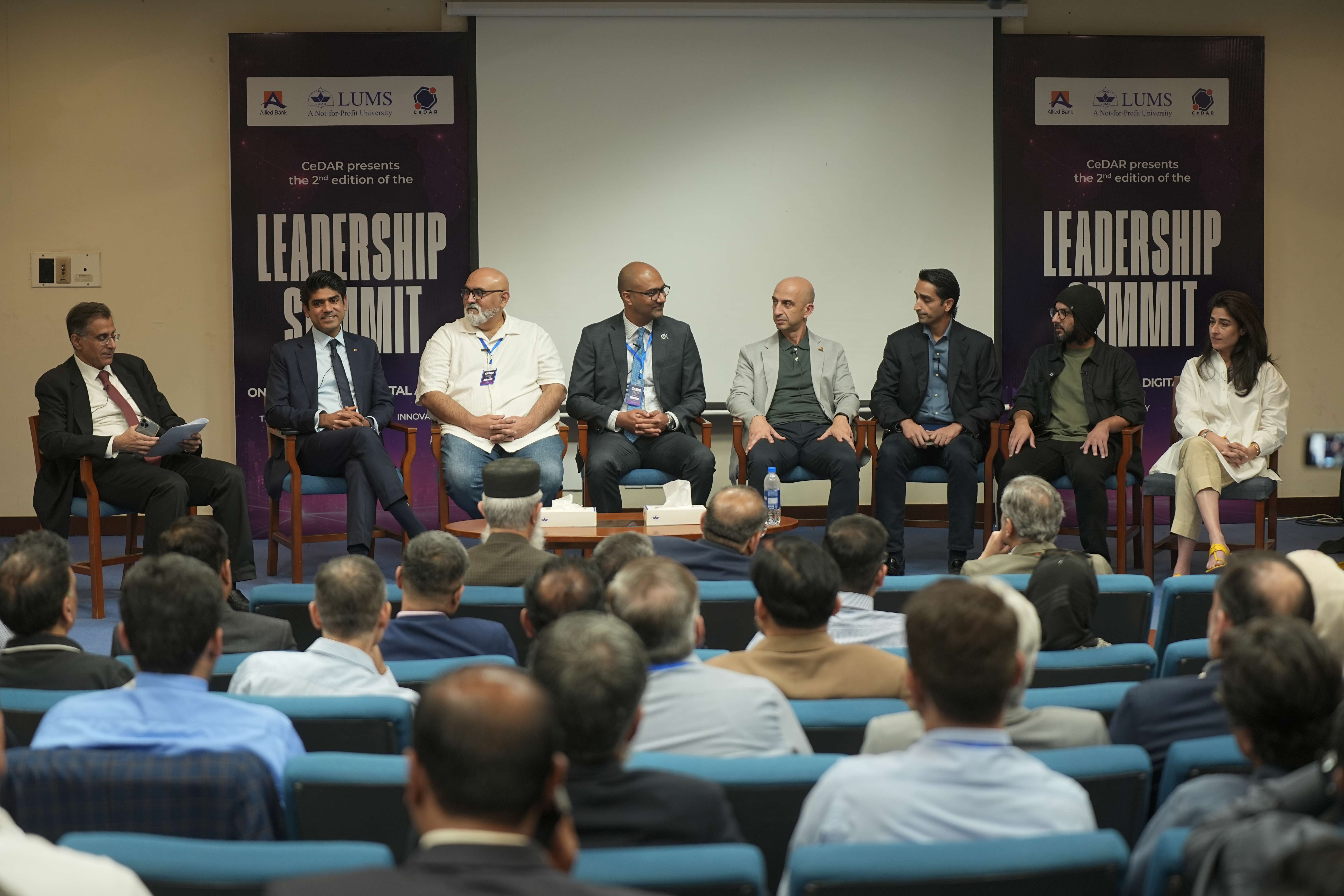
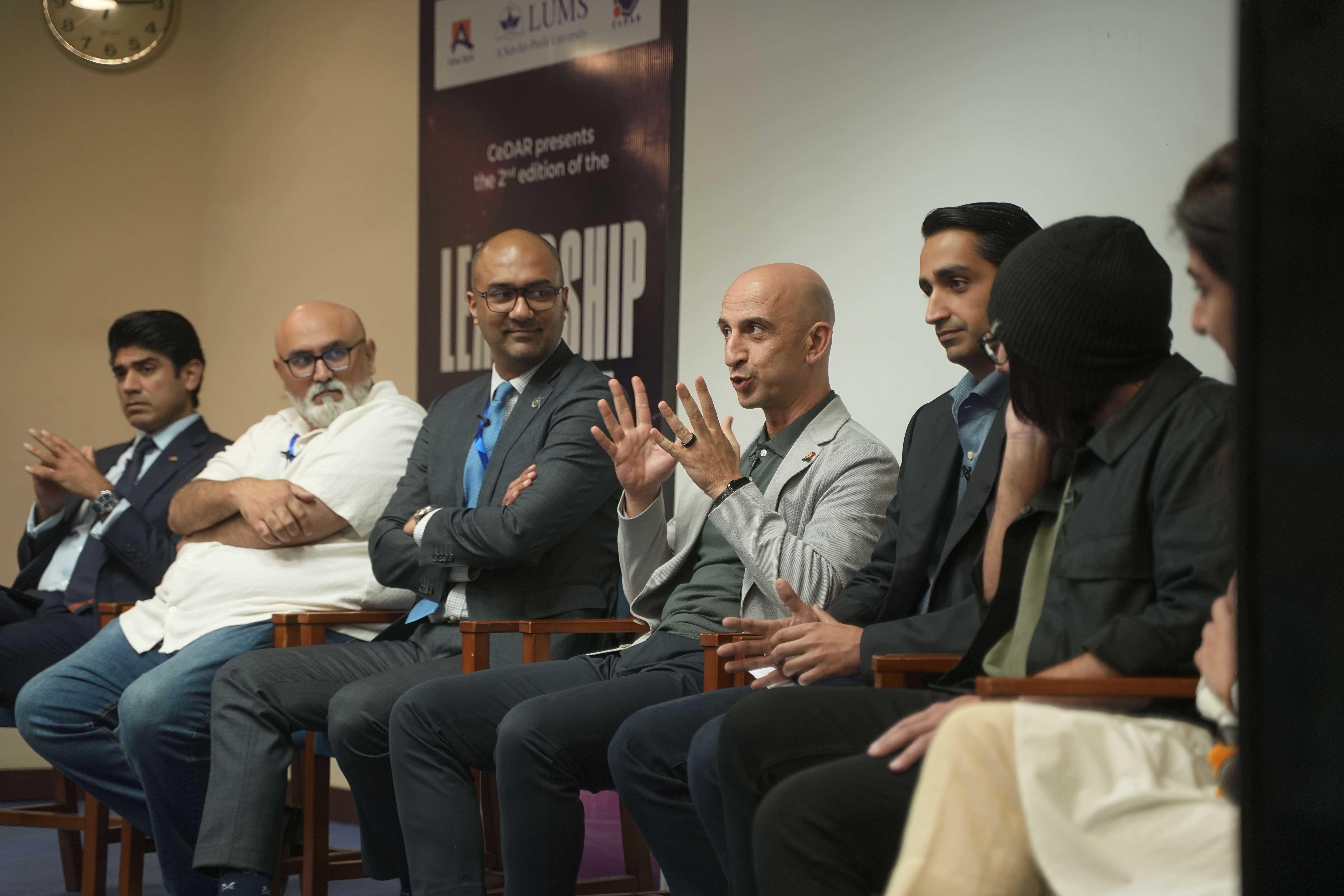
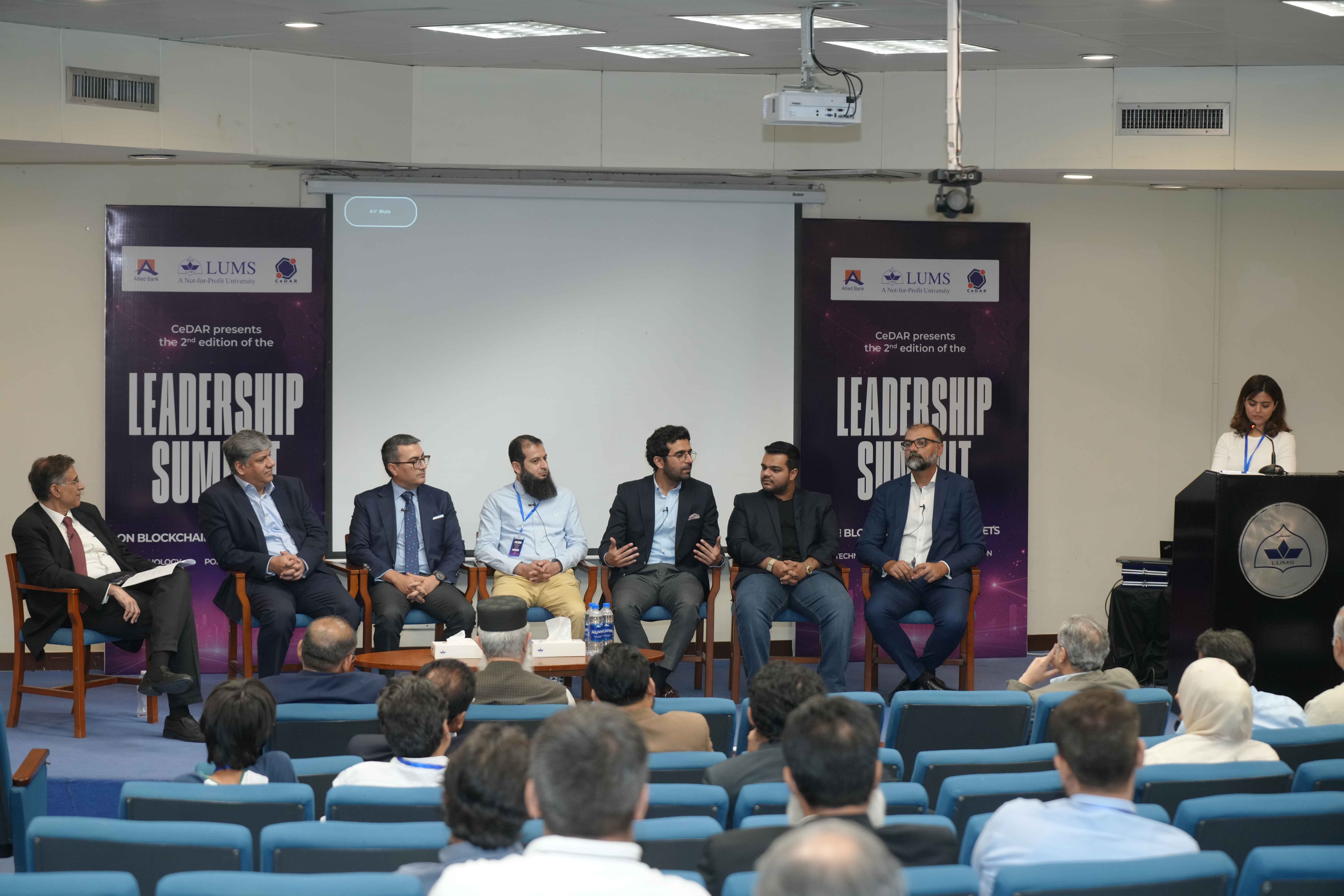
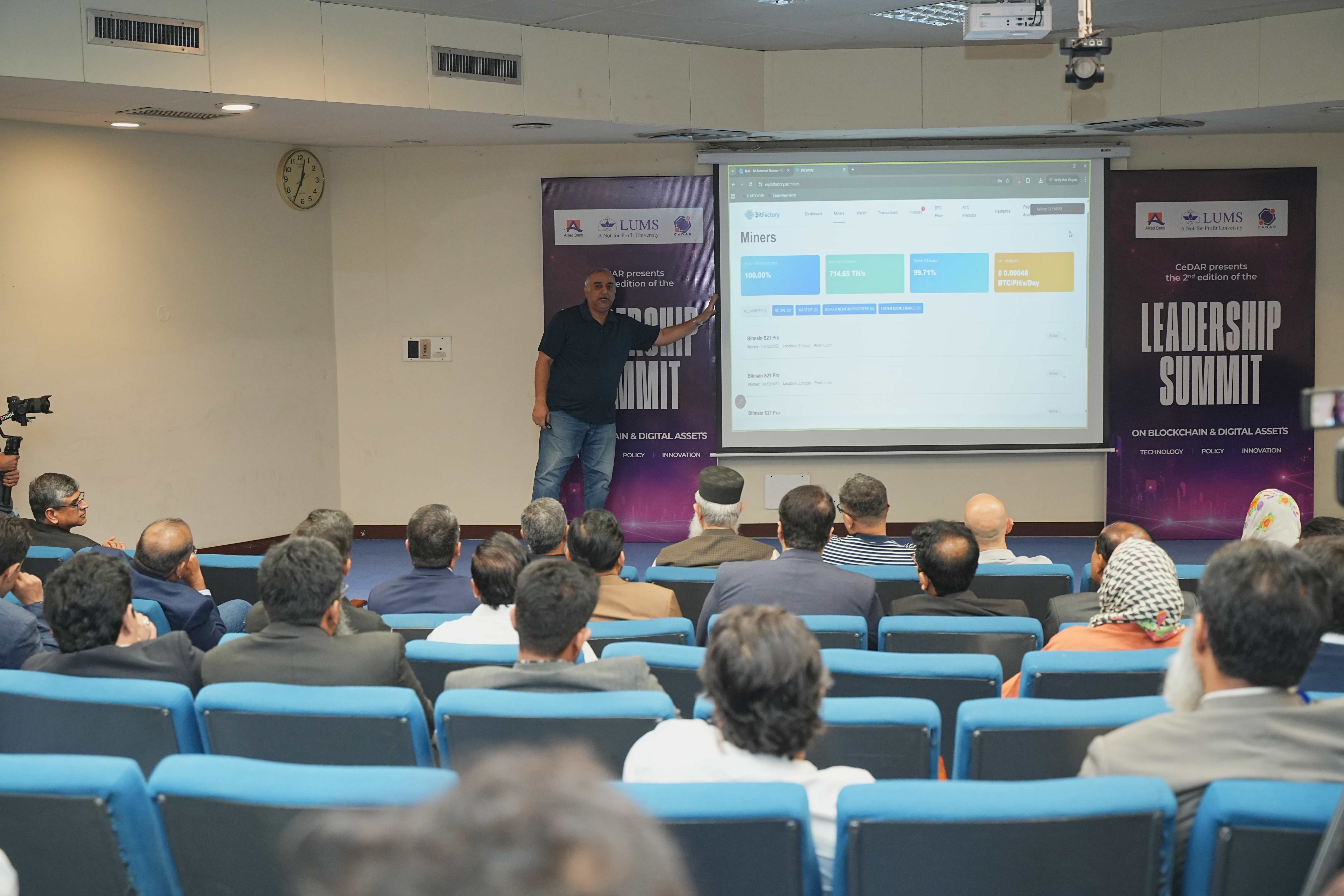
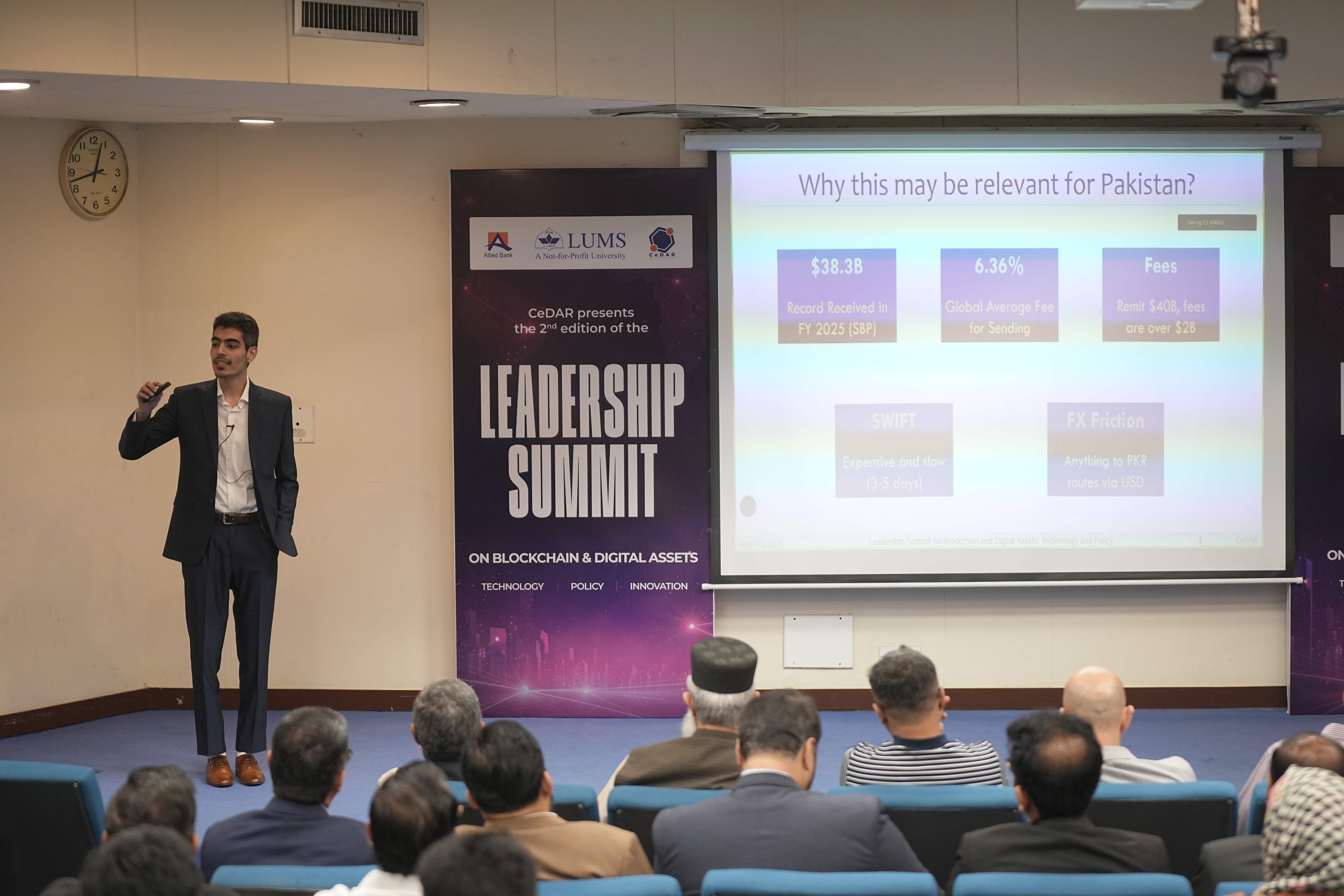
Across six expert-led sessions and four high-level panel discussions, speakers explored themes including the future of digital assets in Pakistan, AI and blockchain integration, financial innovation, and inclusive digital payment systems. Participants represented leading organisations including PVARA, SECP, Allied Bank, MCB, Bank of Punjab, Mashreq Bank, VEON, Visa, Binance, Karandaaz, Fatima Gobi Ventures, Pakistan Mercantile Exchange, and LUMS faculty, alongside other key stakeholders.
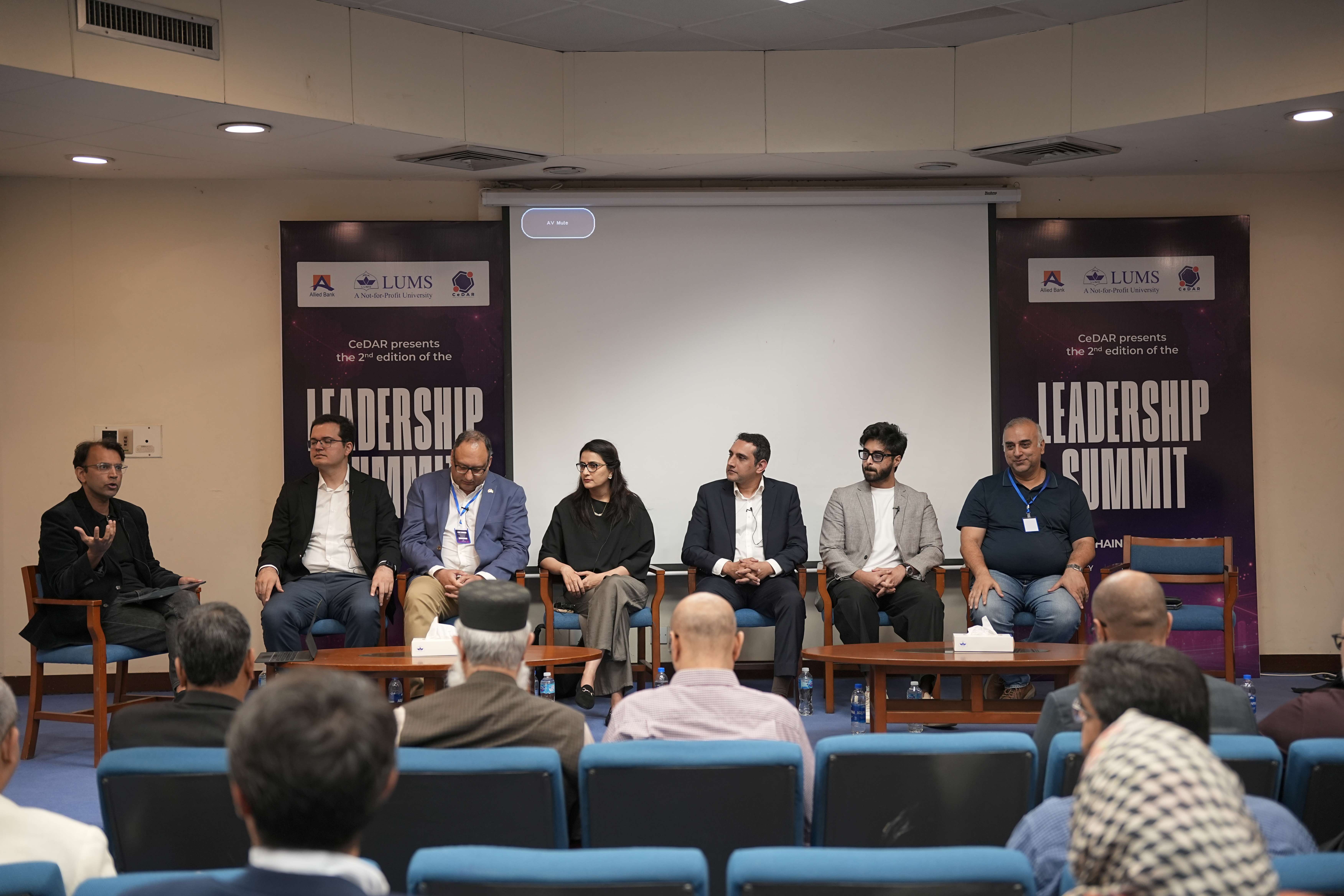
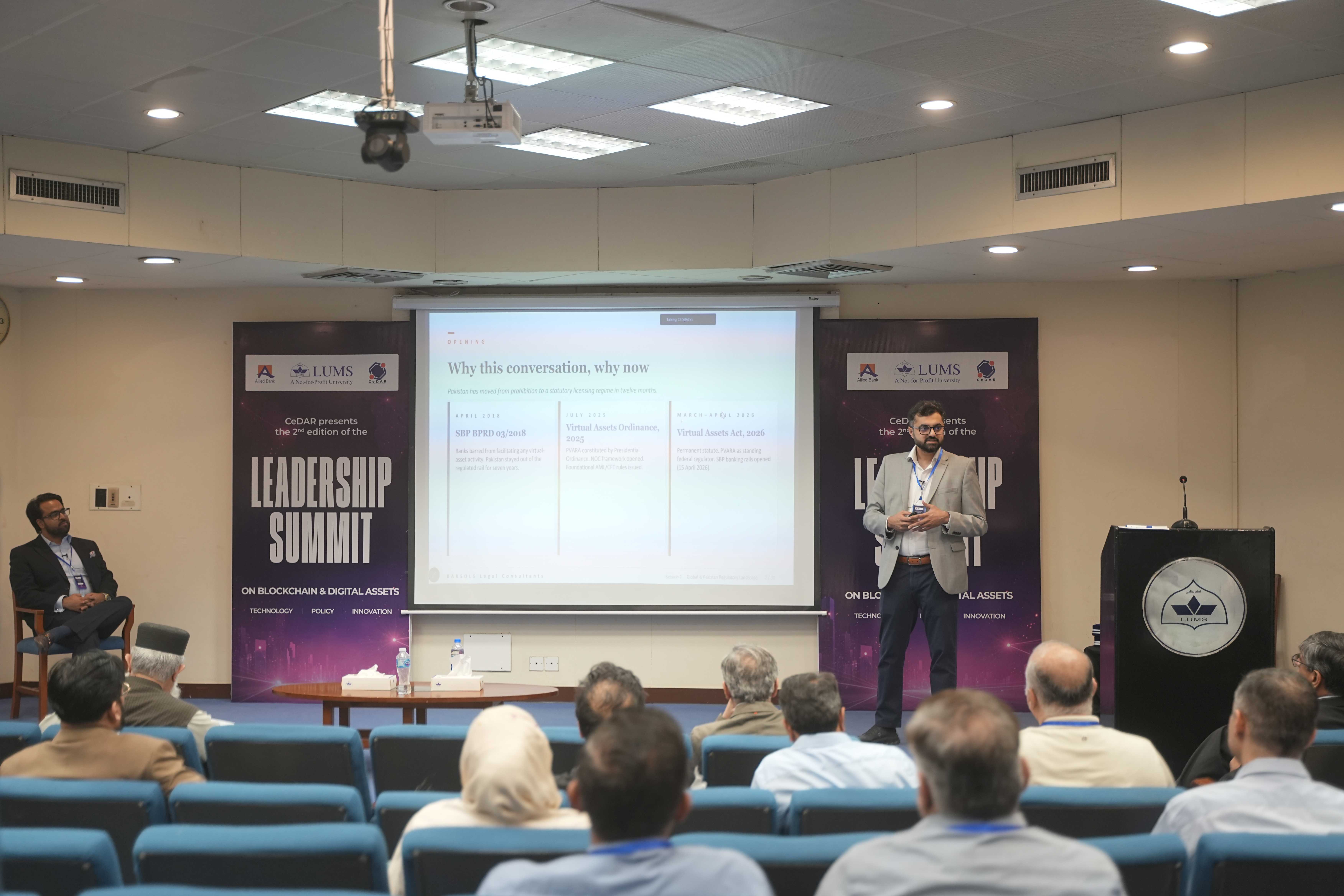
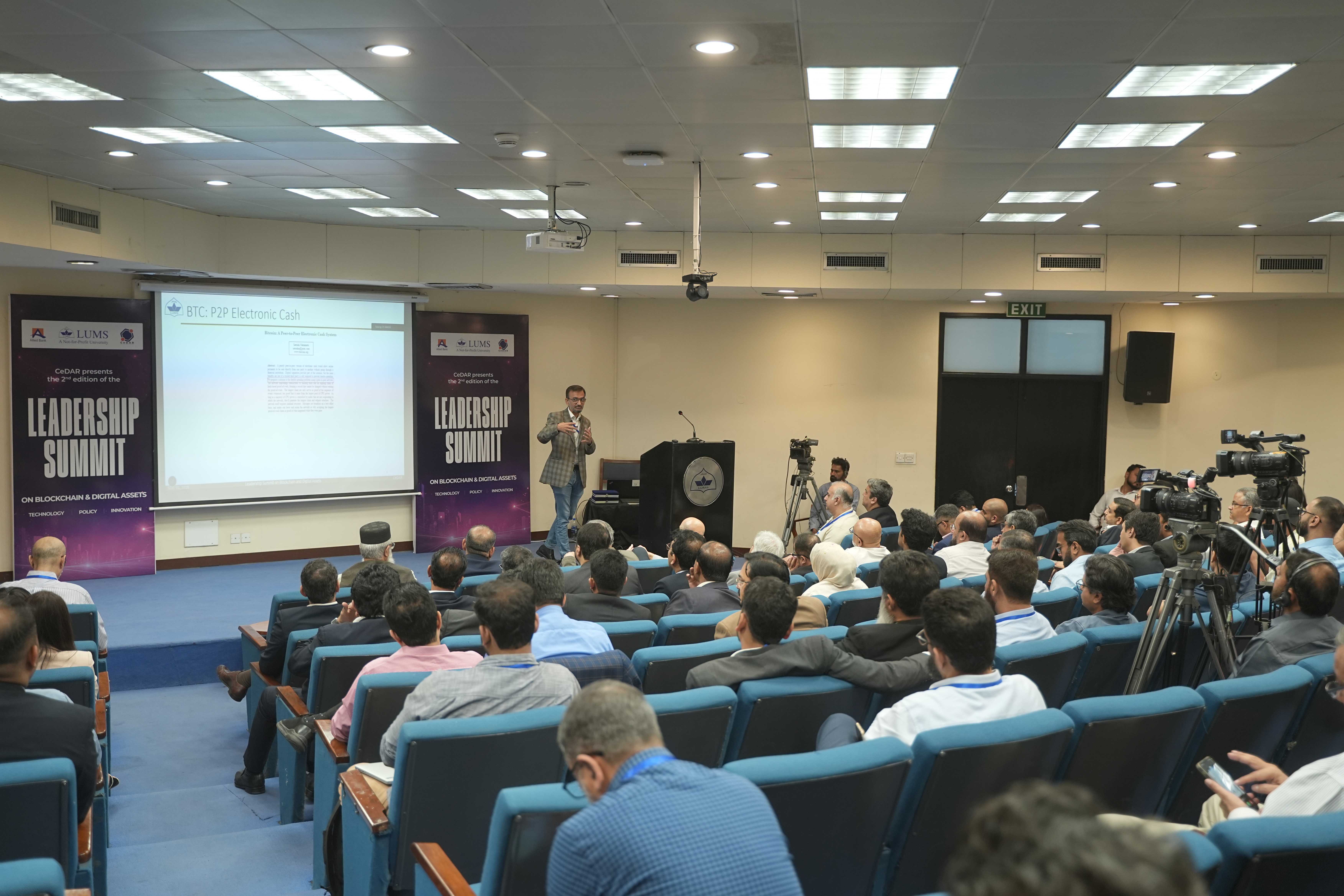
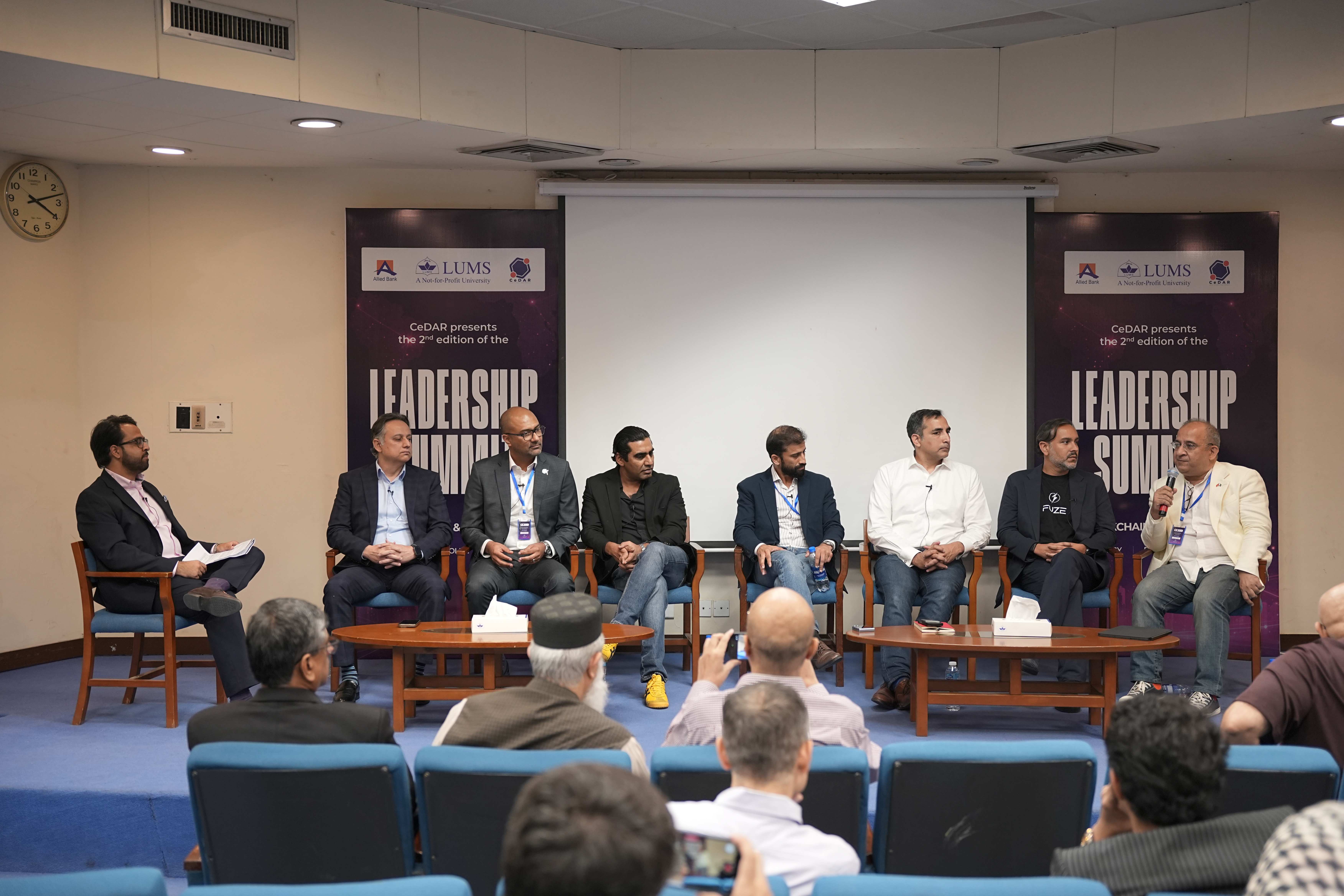
The summit also included demonstrations and discussions on real-world applications, including inward remittances, blockchain-based computation, and localised AI chatbots for banking and financial services. By bringing together diverse voices from policy, technology, finance, and academia, the summit reinforced CeDAR’s role as a platform for advancing research, policy dialogue, and responsible innovation in Pakistan’s digital economy.
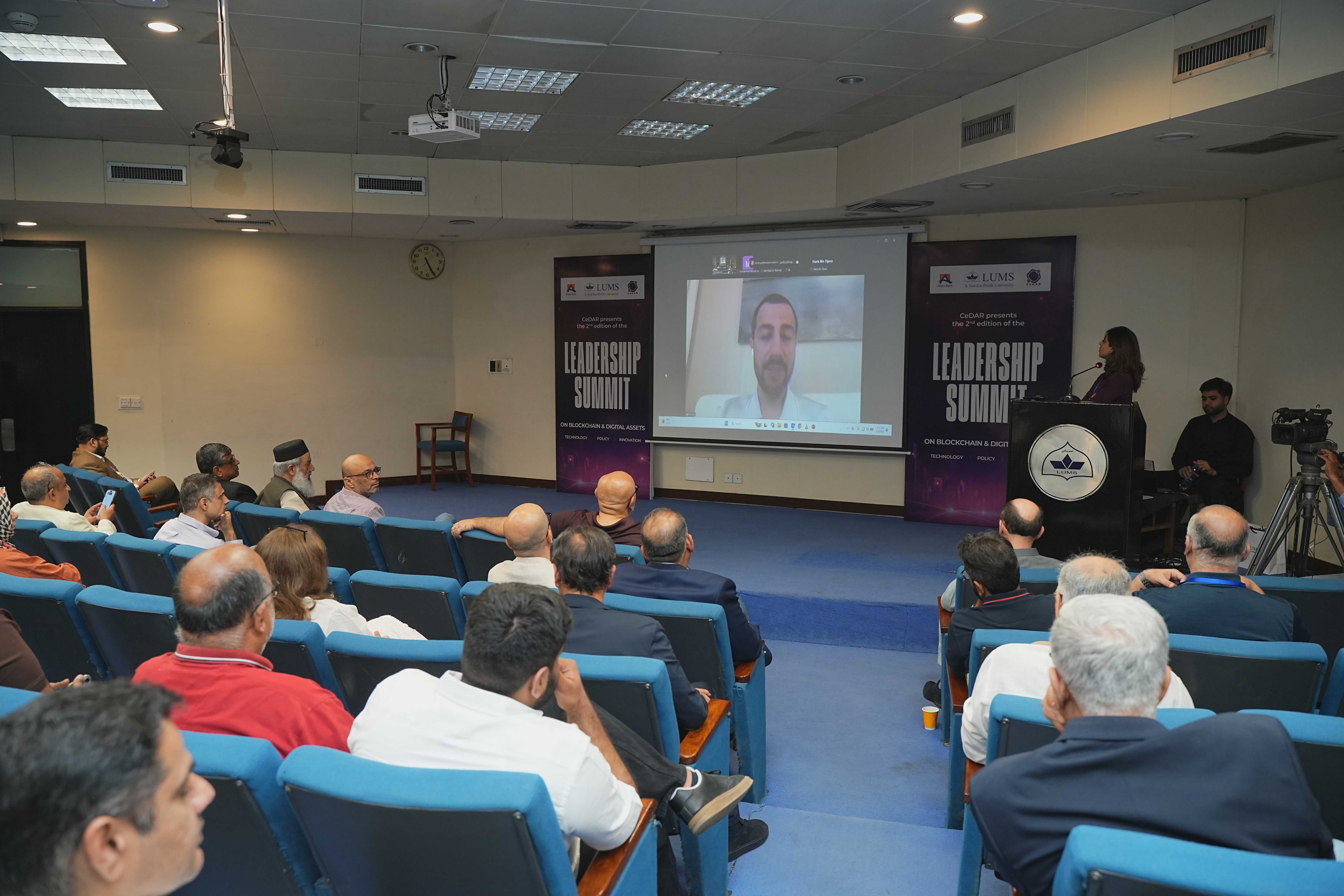
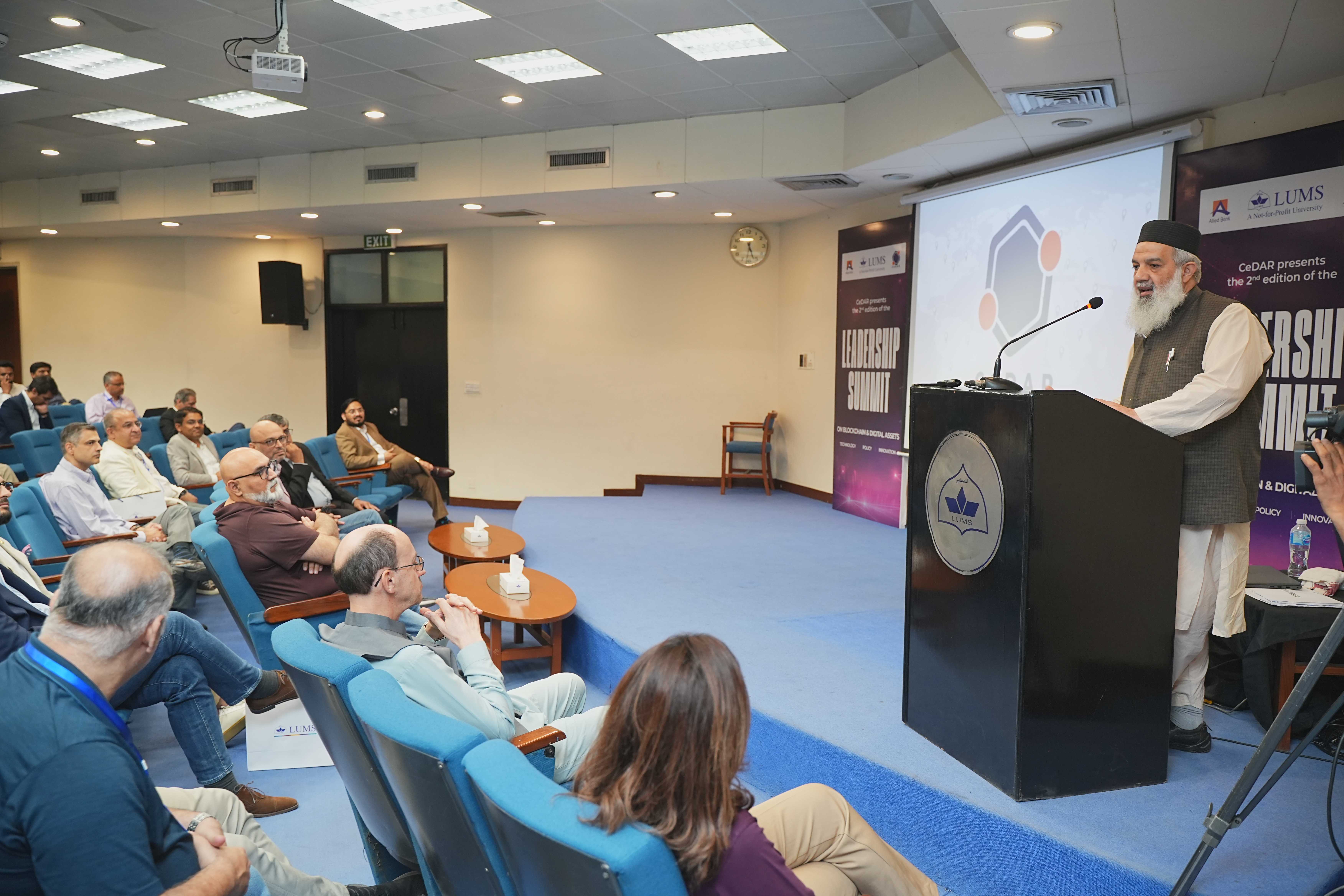
The event also featured a keynote address by Dr. Muneeb Ali, Co-founder of Stacks, Founder of Trust Machines, and LUMS alumnus, who shared insights from his global blockchain journey and reflected on Pakistan’s potential in the digital economy. The summit concluded with closing remarks by Dr. Tariq Jadoon, Provost, LUMS.