
Technology Long Short Fund Dives More Than 4% Per Day
Return to 24% by June and 0% per year
AI Investment Cost and Profitability Concerns Technology Throwback
Some hedge funds have even begun to cut their workforce

Global hedge funds, which had been riding on the rise of artificial intelligence and semiconductor stocks, have recently suffered a sharp drop in technology stocks. Some funds, which had well over 20% annual returns through the first half of the year, returned all their profits in the months. As operating funds decrease in an instant, some even send out employees.
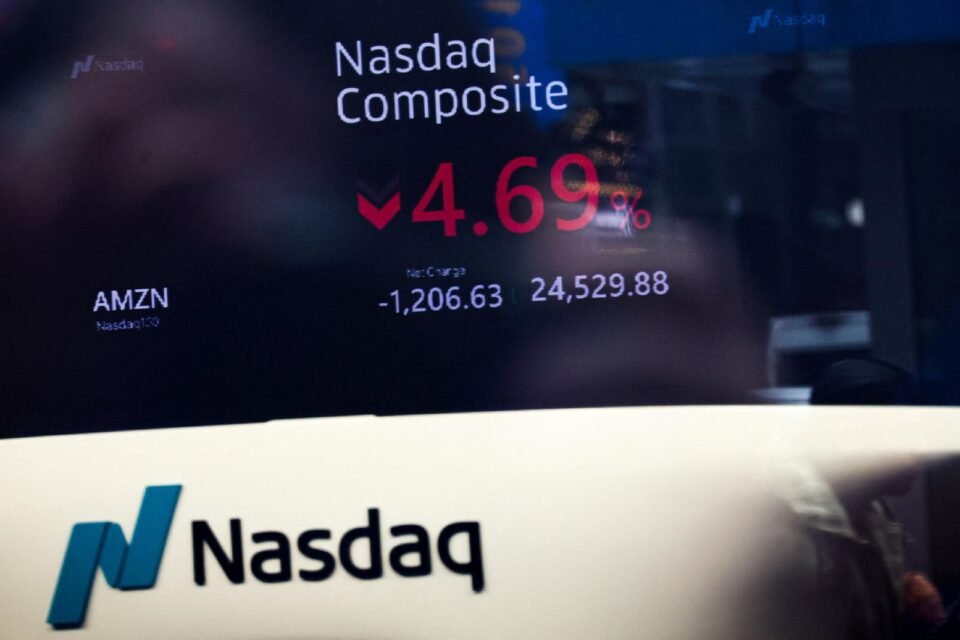
According to Reuters on the 8th (local time), the recent sell-off of technology stocks in the global stock market has greatly dampened the returns of major hedge funds since the beginning of the year. In particular, stock long-short funds focused on technology stocks were hit hard. In the Goldman Sachs tally, the tech-heavy Long Short Fund fell more than 4% on the 5th alone. These funds’ returns this year have now fallen to a virtually 0% level.
Last month, the Nasdaq 100 fell 6.6%, its biggest monthly drop in 18 months. JPMorgan estimated that global hedge funds lost an average of 3% during the month of October. Considering that hedge funds invest in dozens or hundreds of stocks, the fall is enormous.
The mood seemed to change as the stock market briefly rebounded after the recent U.S. midterm elections, but the recovery did not last long. Some hedge funds significantly reduced the proportion of risky assets ahead of the election, but bought back technology stocks as the rebound emerged. However, analysts say that the market plunged again the very next day, resulting in greater losses. John Flood, partner in Goldman Sachs’ global banking and market division, said, “Hedge funds are selling large cloud and AI infrastructure-related stocks again recently bought.”
Losses are not just numbers on the books. Wall Eye Capital, a New York-based hedge fund with operating assets of about $17 billion, said in a letter to investors that it would reduce its internal stock long-short business and reduce a significant number of its stock investment team personnel.
The company evaluated last month’s performance as its worst month since March 2020. It also announced plans to re-check the size of the fund and return some of the funds to investors.
From a domestic investor’s point of view, the recent foreign selling is also difficult to interpret as simply pessimism about the Korean stock market. This is because global hedge funds and institutional investors are also selling their holdings and reducing their risk exposure to reduce losses in the process of plunging AI and technology stocks. In fact, some funds are in a situation where they are reducing their investment size and manpower after returning almost all of their profits this year.
Foreign investors did not always make money in the market. Hedge funds, which made the fastest profits in the AI uptrend, are putting their money back on the market this year due to a sharp drop in the same AI stock.