
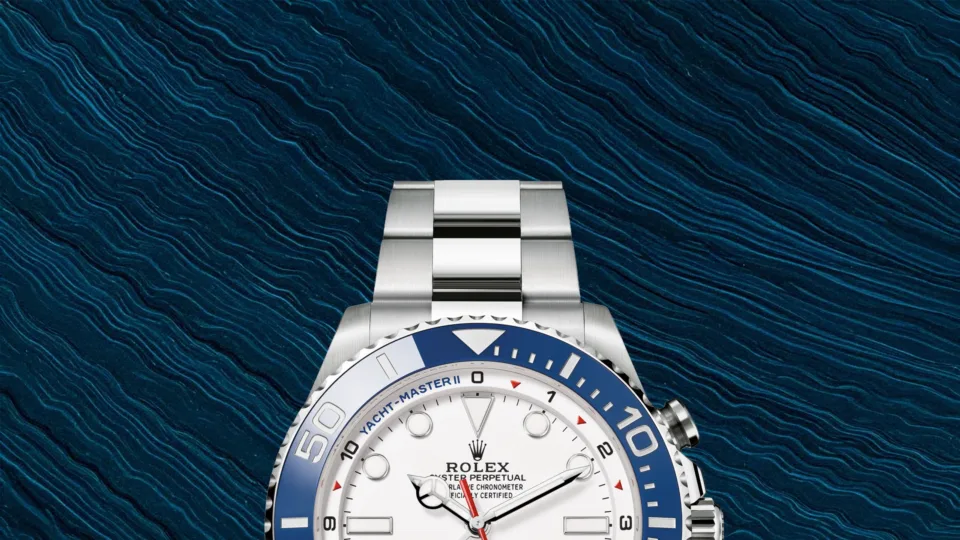
It retains the programmable countdown with mechanical memory and on-the-fly synchronization that made the original so impressive, while adding refinements including a Chronergy escapement, a Parachrom hairspring and Paraflex shock absorbers.
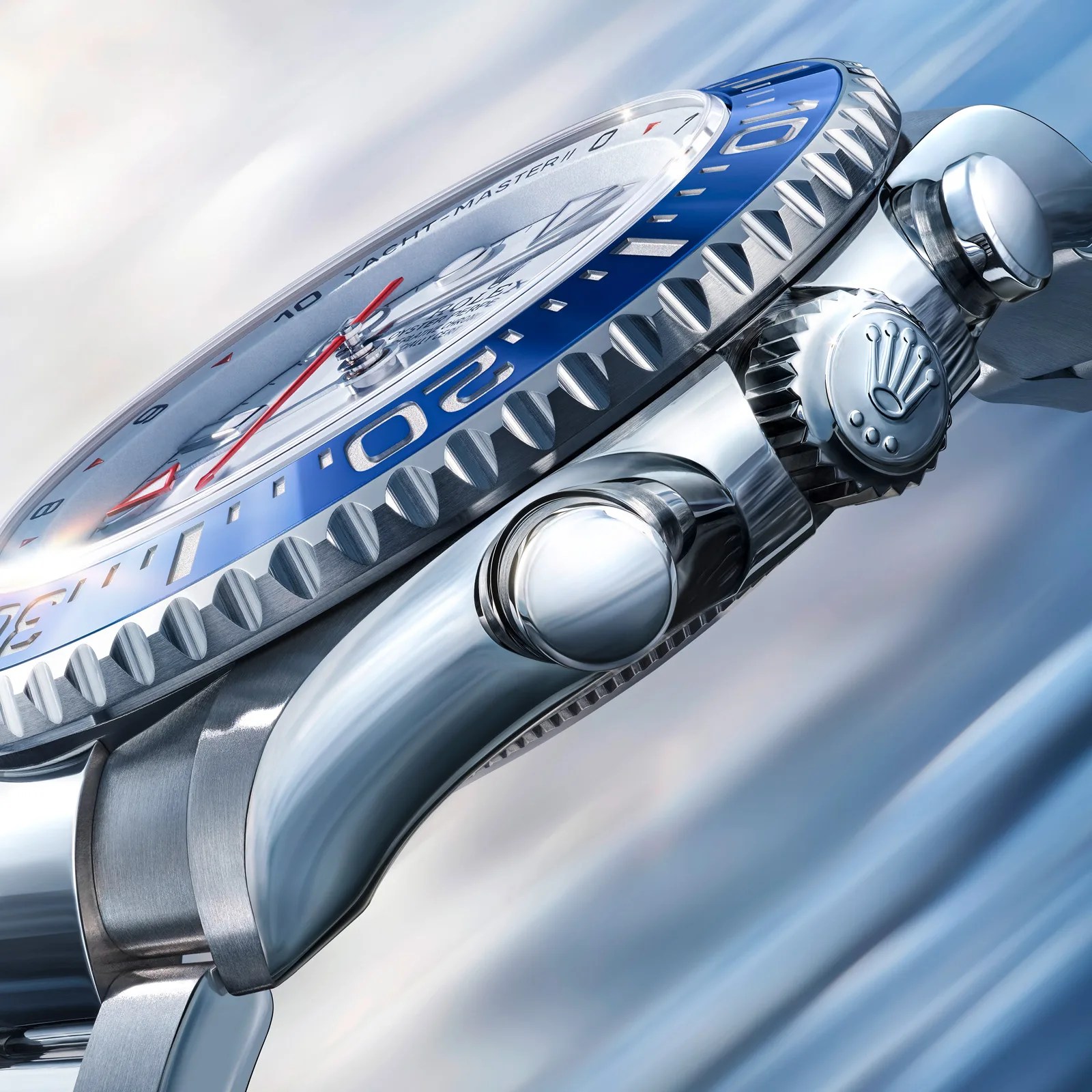
The function is also now programmed and operated entirely through the two winch-shaped pushers on the right side of the case, making the system considerably more intuitive to use.
If you’re lost on what this all means in terms of real-world use cases, you aren’t alone.
This is a watch designed around the unique timing demands of competitive sailing, where races begin with a staggered countdown sequence, and crews need to cross the start line at precisely the right moment.
The lower pusher programs the countdown length — each press adds one minute — and that duration is stored mechanically in the movement. The upper pusher starts the count.
Once running, a dedicated fourth hand tracks the remaining minutes while the central seconds hand sweeps counterclockwise, making the final 30 seconds of the countdown easier to read at a glance.
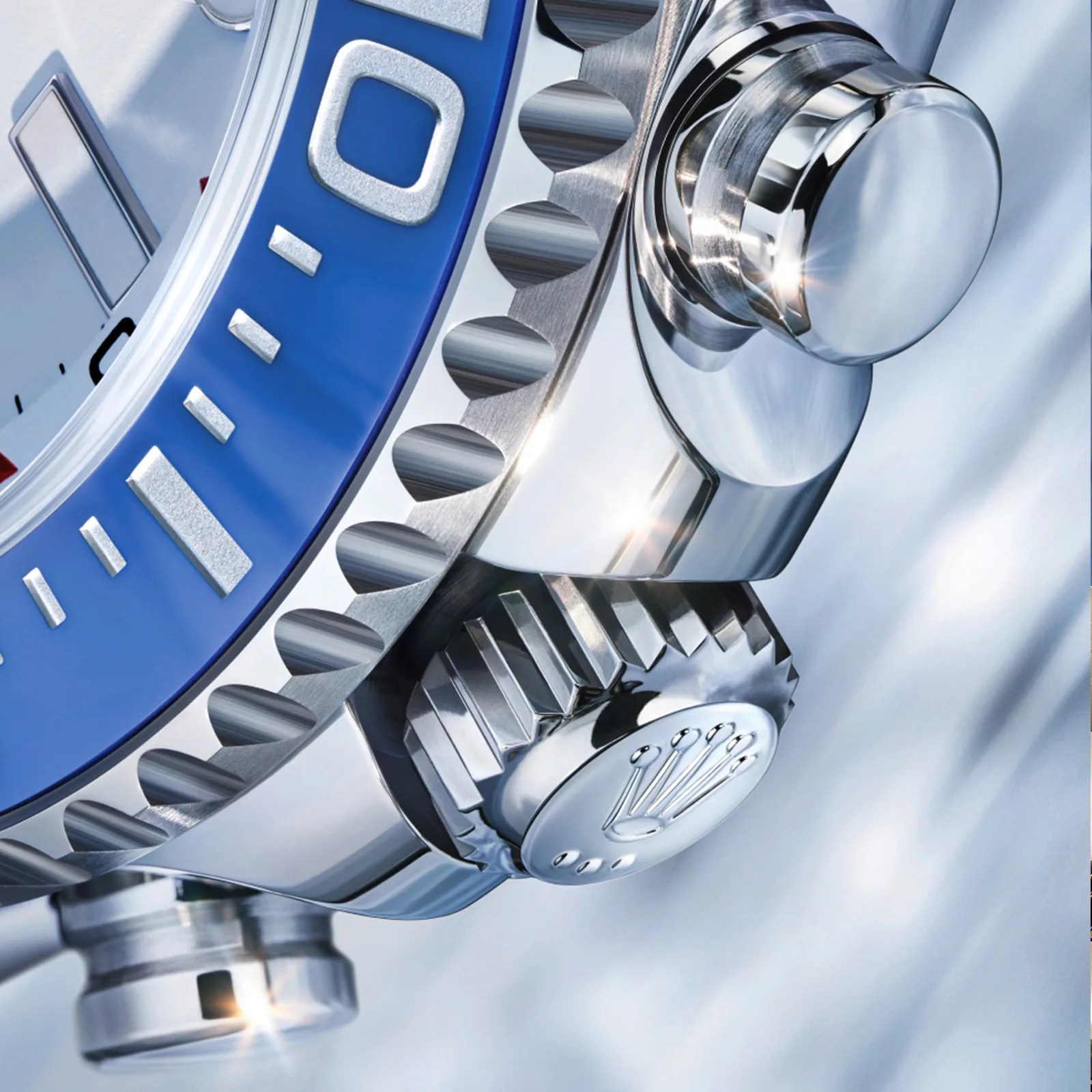
If the countdown falls out of sync with the race committee’s signals — a common occurrence when start sequences are reset or adjusted on the water — a quick press of the lower pusher snaps the timer to the nearest whole minute, allowing the sailor to re-synchronize without stopping and reprogramming the entire function.
The upper pusher stops the countdown when needed, and the lower pusher resets it.
In other words, this is a purpose-built tool for a very specific problem on the racecourse, powered by an impressive mechanical movement that requires no digital input.