
Seven draft bills. One hearing. And potentially the most consequential crypto tax overhaul since the IRS first decided Bitcoin was property back in 2014.
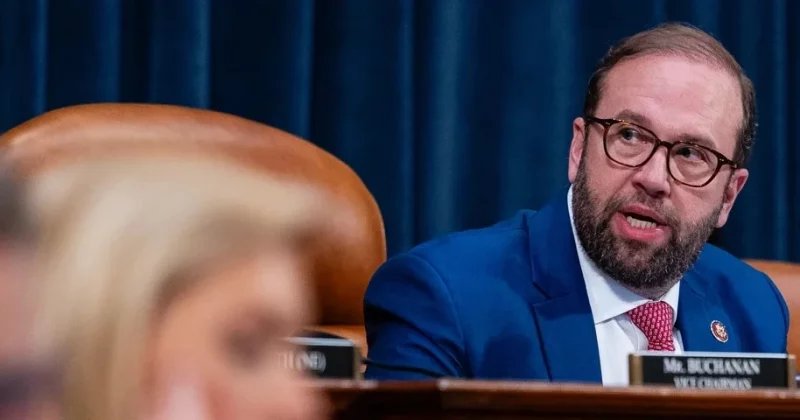
The House Ways and Means Committee is circulating seven discussion-draft bills targeting digital asset taxation, with a hearing set for June 9, 2026, at 2:00 PM ET. Committee Chairman Jason Smith announced the hearing on June 2, setting the stage for what could reshape how millions of crypto users, miners, stakers, and lenders interact with the US tax code.
What the bills actually cover
The seven drafts collectively address a laundry list of pain points that crypto users have been complaining about for years. Here’s the thing: most of these aren’t exotic edge cases. They’re everyday headaches that make using crypto for, say, buying coffee technically a reportable tax event.
First up is de minimis relief for small transactions. Right now, if you buy a sandwich with Bitcoin and that Bitcoin appreciated by $0.37 since you acquired it, you technically owe capital gains tax on that amount. In English: the current system treats every tiny crypto payment like a stock sale, which is absurd for something Congress wants people to actually use as currency.
The drafts also tackle stablecoin tax implications. Given that stablecoins are designed to maintain a 1:1 peg with the dollar, taxing minor fluctuations in their value creates compliance friction that serves no meaningful revenue purpose. Clarifying their treatment could remove a significant barrier to stablecoin adoption in everyday commerce.
Then there’s the mining and staking reward taxation question. The drafts include deferral options for when these rewards become taxable. Currently, the IRS treats staking rewards as income the moment they’re received, even if the recipient hasn’t sold anything. The deferral option would let taxpayers delay recognition until they actually dispose of the asset.
Wash sale rules are also on the table. Stocks and bonds are subject to wash sale restrictions, meaning you can’t sell at a loss and immediately rebuy to claim the tax benefit. Crypto has existed in a gray area where this rule technically doesn’t apply, and these drafts appear to address whether that loophole stays open or closes.
The remaining proposals cover securities tax treatment integration and waiving appraisal requirements for charitable contributions of digital assets. That last one matters more than it sounds. Currently, donating crypto worth over $5,000 can require a qualified appraisal, which is cumbersome for an asset with a price visible on any exchange at any given second.
Industry reaction and political dynamics
The Crypto Council for Innovation and the Digital Chamber have both engaged with the committee on these reforms, and the general sentiment from advocacy groups is that bipartisan momentum is building.
The Digital Asset PARITY Act, introduced on May 19, 2026, already demonstrated that lawmakers on both sides of the aisle see crypto tax reform as relatively low-hanging fruit. That bill outlined similar goals around reducing compliance burdens and keeping crypto activity onshore.
Chairman Smith’s decision to advance seven separate discussion drafts rather than one omnibus bill is a deliberate tactical choice. Breaking the issues apart makes it easier to build coalitions around individual provisions. A lawmaker who might oppose wash sale rule changes could still support de minimis relief without having to vote against the entire package.
The legislative drafts remain circulated internally for now, meaning the full text hasn’t been made public. The June 9 hearing will likely serve as the venue for refining these proposals before any formal markup.
What this means for investors
For the average crypto holder, the de minimis exemption is the headliner. If Congress creates a threshold below which small crypto transactions don’t trigger capital gains reporting, it removes one of the most persistent barriers to using digital assets in daily life.
The staking and mining provisions deserve close attention from anyone earning yield on their holdings. A deferral mechanism would fundamentally change the economics of proof-of-stake participation and mining operations. Under current rules, validators face the uncomfortable reality of owing income tax on rewards they received in tokens that may have dropped 50% by the time they file. Deferral to the point of sale would eliminate that mismatch between taxable income and actual liquidity.
Institutional players should be watching the wash sale provisions carefully. If crypto gets folded into the same wash sale framework as traditional securities, the popular strategy of tax-loss harvesting—selling at a loss and immediately rebuying—disappears overnight.
The charitable contribution reforms would simplify the donation process for high-net-worth individuals and foundations by removing the appraisal requirement for assets with transparent market pricing.
Investors should track the markup process closely, because the difference between a $200 de minimis threshold and a $600 one, or between mandatory and optional wash sale application, will shape trading behavior for years to come.