
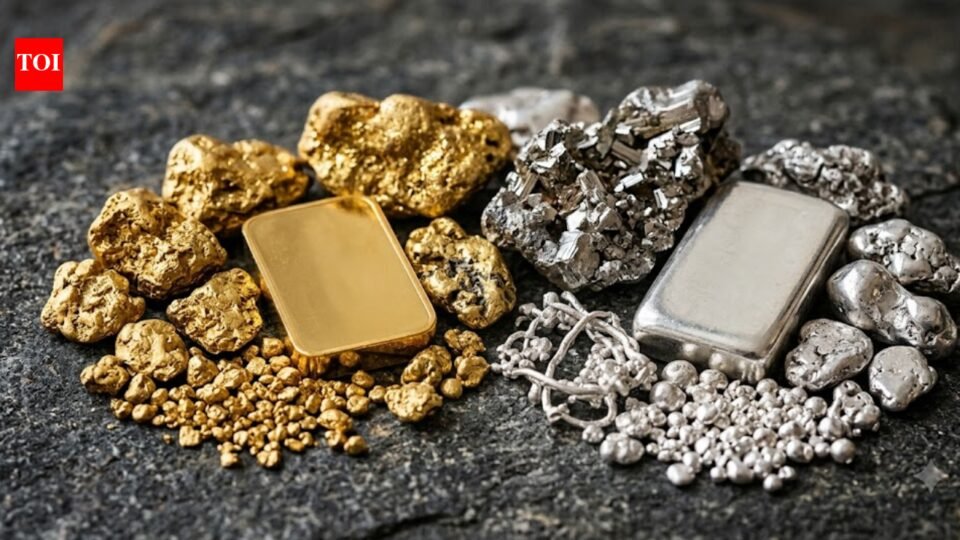
Amsterdam is now the focus of an unusual discovery by researchers, beyond its canals, museums and architectural heritage. Ash left behind by the city’s household-waste incinerators has been found to contain valuable metals such as gold and silver.A study published in the journal Water, Air, & Soil Pollution examined municipal solid waste incineration bottom ash from Amsterdam and found that the material contained economically significant quantities of precious metals.The researchers discovered that the ash contained 10 parts per million (ppm) of silver and 0.4 ppm of gold. This research was conducted by Lenka Muchova, Erwin Bakker and Peter Rem from Delft University of Technology and was published in 2009. The paper explains that the ash was sampled from Amsterdam’s waste incineration plant and tested by chemical analysis to estimate how much precious metal could be recovered if the material were processed at scale.The authors noted that, although the concentrations were low, the sheer volume of bottom ash generated each year could make recovery of silver and gold economically interesting, while also reducing the need to mine virgin ore. The low concentration is offset by the large volume of ash produced each year.Gold particles in the ash from household wasteIn the study, researchers examined bottom ash resulting from the burning of municipal waste at a waste incineration plant in Amsterdam. Bottom ash refers to the solid material obtained from the combustion process. It contains non-combustible materials like metals, glass, minerals, and others.To determine whether gold was present, scientists studied 15 tonnes of wet-treated Amsterdam ash using magnetic density separation to isolate metal-rich dense fractions. The researchers found gold particles of various sizes in bottom ash, all smaller than 20 millimeters. One or two gold particles could be present per tonne of bottom ash.The researchers said the particles were larger than they had expected. The researchers found gold-alloy particles and concluded that most of the gold came from jewellery that entered the household waste stream and was burned.“The gold particles found in the 2 to 6 millimetre fraction were mainly related to jewellery,” the researchers noted in the study. Gold detected in the 0–2 millimetre fraction was likely associated with waste electrical and electronic equipment (WEEE), such as discarded electronics.
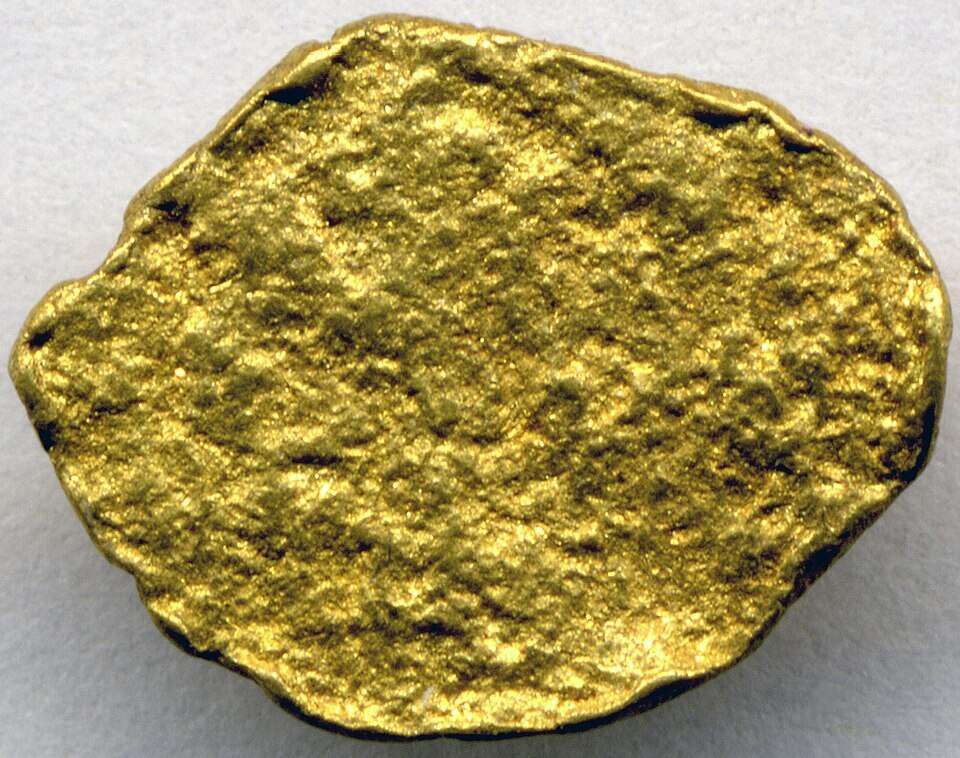
These valuable metals originate from discarded jewelry and electronic waste items. Extracting these metals from ash offers a potential new resource. Image Credit: Wikimedia Commons
Old electronics and discarded jewellery provide a hidden supply of metalsThere are several items used in modern households that contain precious metals. Smartphones, computer equipment, circuit boards and other similar gadgets may include some amount of gold and silver since these materials have great electrical conductivity and do not corrode easily.According to the United Nations Institute for Training and Research (UNITAR), the world generated around 62 million tonnes of electronic waste in 2022, with only about 22.3 percent being formally collected and recycled. The organisation has warned that electronic waste contains valuable resources, including recoverable metals, but also creates pollution risks if poorly managed.The report says electronic waste generation is rising five times faster than documented e-waste recycling, and that the 62 million tonnes generated in 2022 were enough to fill 1.55 million 40-tonne trucks, an all-time high.It also warns that the formal recycling rate is expected to fall to 20 percent by 2030 unless collection and treatment systems improve, leaving valuable gold, copper and rare earths largely untapped. Based on the Amsterdam findings, fine ash particles contained precious metals mostly from electronic waste, while larger gold pieces were likely lost jewellery such as rings and chains.Making waste into sources of valuable metalsExtracting metals from incineration ashes is a complicated procedure. Scientists said the ash should be divided into several size fractions. Heavy non-ferrous metals have to be concentrated by using physical extraction methods like eddy current separation and density separation.Magnetic density separation was the focus of the researchers’ work. It is an extraction method that uses magnetic liquids to separate materials by density. Gold is much denser than metals such as copper and zinc. Therefore, this separation method may be useful in concentrating gold-bearing particles.Scientists believe extracting valuable metals from bottom ash could become profitable, especially when metal prices are high. Many countries are adopting this approach as part of their circular economy strategies.Why waste ash is attracting global attentionMunicipal waste incineration is widely used in parts of Europe to reduce landfill dependency. According to the European Environment Agency, many European countries use waste-to-energy plants as part of their waste management systems, although recycling and prevention remain the preferred approaches.As landfill space shrinks and demand for essential materials rises, scientists are looking for unusual sources of metals. Waste streams such as incinerator ash could provide additional resources that would otherwise remain unused.However, scientists note that extraction of metals from waste should go hand in hand with environmental safety, as incineration ash can be contaminated with pollutants. The Amsterdam research does not suggest households are producing large amounts of gold; instead, it highlights growing scientific interest in recovering valuable materials from waste.