
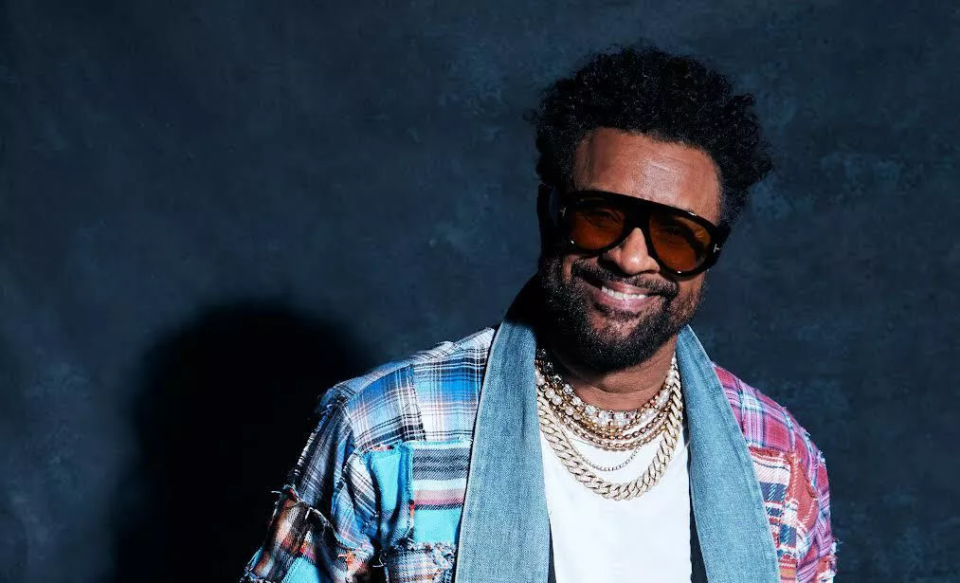

Some records arrive like a weather system. The Boombastic Shaggy album rolled in during the summer of 1995 with a voice so deep it seemed to rattle car speakers on its own.
It also had a hook that refused to leave, and a deejay from Flatbush by way of Kingston who suddenly owned radio on both sides of the Atlantic.
Released on July 11, 1995, through Virgin Records, his third studio album turned Mr. Lover Lover into a global star.
The numbers tell part of the story. Boombastic became the first dancehall album certified platinum by the RIAA, and it won the Grammy for Best Reggae Album. The rest is about attitude.
As Shaggy put it, “I always like things that go against the grain of what’s going on.” This was the album where going against the grain finally paid off.
Before the Boom
Shaggy did not walk into 1995 as an overnight sensation. His debut, Pure Pleasure, landed in 1993.
It was followed in 1994 by Original Doberman, a set of recordings made around 1989 and 1990. Its sleeve dedicated it to Shaggy and Rayvon “for making the album before going to War in Iraq.”
Both men had served in the US Marine Corps during the Gulf War. That release went nowhere on the charts, and it was his last on Greensleeves before the move to Virgin.
What he did have was momentum in Britain. Although he lived in America, his breakthrough came in the UK, where “Oh Carolina” went to number one in 1993.
Virgin was betting that the man who had conquered British pop with a dancehall record could do it again, and on a bigger stage.
Building the Record
Boombastic was a cross-Atlantic production. Sessions ran through Digital B Studio and Music Works in Kingston and HC&F Studio in New York City.
The core production team was Tony Kelly, Bobby “Digital” Dixon and Robert Livingston, Shaggy’s manager and longtime collaborator.
Shaun “Sting International” Pizzonia also shaped key moments. That mix of Kingston grit and New York polish gives the album its character.
AllMusic files it under everything from ragga and dancehall to reggae-pop and club/dance, and the record really does wander across all of them.
The 14-track standard CD opens with “In the Summertime,” a sunny reworking of Mungo Jerry’s 1970 hit with Rayvon riding shotgun.
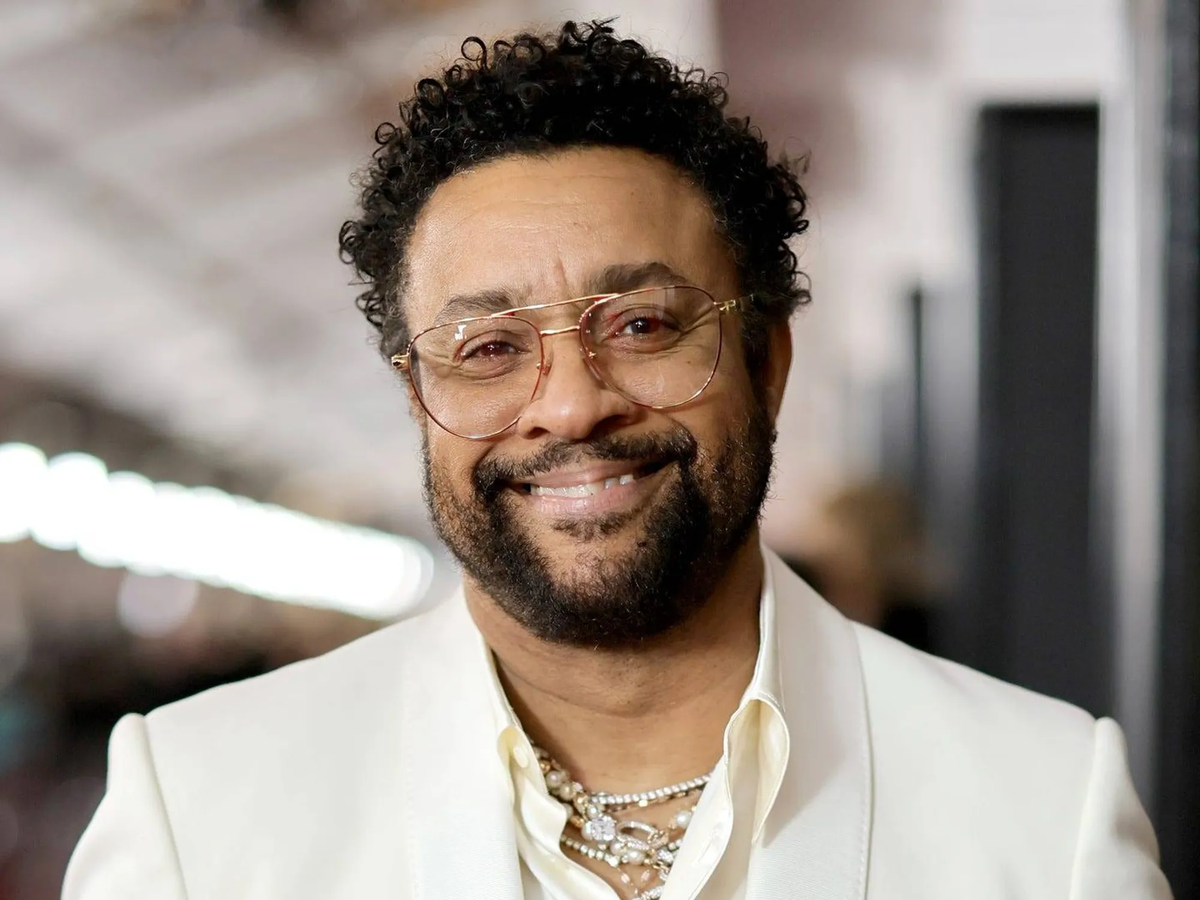
From there the guest list reads like a snapshot of the mid-90s crossover moment. Wayne Wonder brings his silky tenor to “Something Different,” while Grand Puba of Brand Nubian drops in on “Why You Treat Me So Bad.”
Gold Mine joins on “Heartbreak Suzie,” and Budda Junky Swan appears on “Jenny.” The most moving nod to the past comes with “The Train Is Coming,” a remake of a Ken Boothe classic with Boothe himself on board.
Elsewhere, “Forgive Them Father,” “Woman A Pressure Me” and “Gal Yu A Pepper” keep one foot firmly in the dancehall.
The Title Track That Changed Everything
At its heart sits “Boombastic.” Written by Shaggy (born Orville Burrell), Robert Livingston and King Floyd, it was built on a sample of King Floyd’s 1971 soul cut “Baby Let Me Kiss You.” Sting International and Livingston produced it.
Over a loping groove, Shaggy plays the ultimate smooth operator, purring and growling in that unmistakable baritone.
Not everyone heard the magic right away. “When people first listened to it, they were like, what the hell is this?” Shaggy recalled. Label reps and even Livingston initially pushed back. Critics split too.
The Los Angeles Times’ Heidi Siegmund Cuda called it “by far this summer’s most enchanting radio tune,” while Melody Maker dismissed it as “ragga ordinaire.
The public settled the argument. A slower Sting/Shaggy remix leaned on Marvin Gaye’s “Let’s Get It On” and pushed the song’s seduction even further.
Levi’s then put the track in a 1995 claymation jeans commercial that made it impossible to escape. “Boombastic” went to number one in the UK and spent 17 weeks on the chart.
It topped the Eurochart Hot 100 in November 1995 and climbed to number three on the Billboard Hot 100, matching the peak of “In the Summertime.”
The single went platinum with the RIAA on August 27, 1995. Hollywood came calling for years afterward, with the song appearing in George of the Jungle, After the Sunset and Barnyard.
“‘Boombastic’ broke down the barriers with a full dancehall feel of a record,” Shaggy said. That is the key point. This was not reggae softened for pop ears. It was dancehall, unapologetic, sitting at the top of the charts.
The Singles and the Charts
Virgin worked the album hard. “In the Summertime” and “Boombastic” led the way, followed by “Why You Treat Me So Bad,” which borrowed elements from “Mr. Loverman” and carried a Bob Marley credit.
Billboard’s Larry Flick used it to make a point, noting there was “way more to Shaggy” than his signature smash.
A double A-side of “Something Different” and “The Train Is Coming” followed, and “Day Oh” was issued as a Japan-only release.
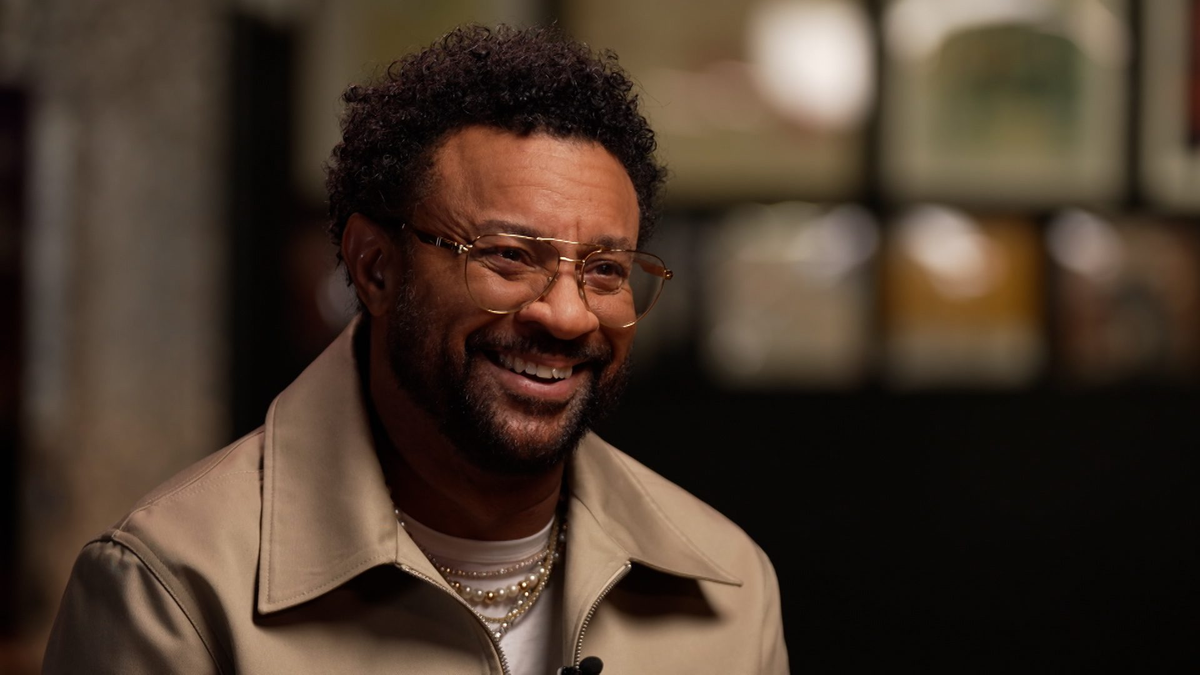
The album sold over 20,000 copies in its first week and opened at number one on Billboard’s Reggae Albums chart.
It peaked at 34 on the Billboard 200 and 37 in the UK, where it also reached number seven on the Hip Hop and R&B Albums chart. Further afield it hit 10 in New Zealand, 11 in Australia, 24 in Germany and 25 in Austria.
On top of the US platinum plaque, it went platinum in Australia, New Zealand and Norway, and gold in Sweden, Canada and Brazil.
Grammy Night
At the 38th Grammy Awards in 1996, Boombastic faced serious company: Burning Spear’s Rasta Business, The Skatalites’ Hi-Bop Ska!, Third World’s Live It Up and Ziggy Marley and the Melody Makers’ Free Like We Want 2 B.
It was Shaggy’s first nomination, and he walked away with the win. After Shabba Ranks, he became only the second Jamaican deejay to take home the award.
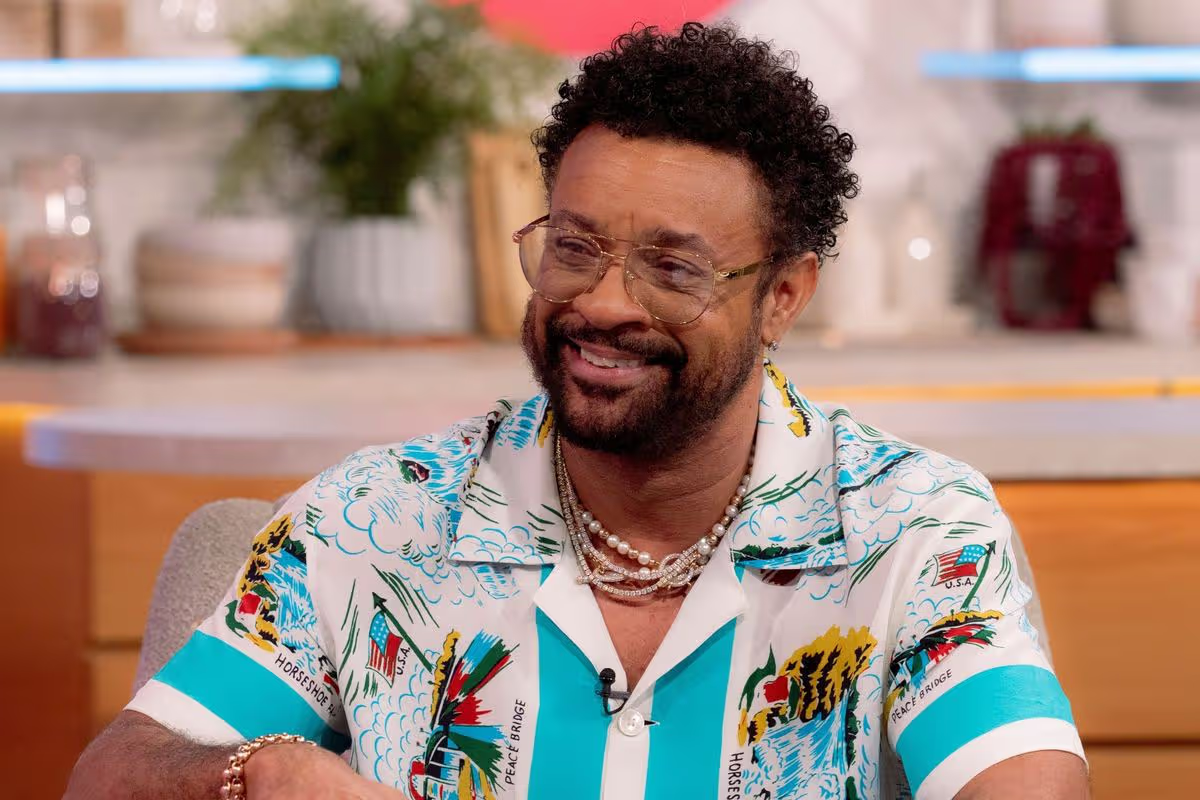
He was not exactly surprised. “I knew I was the favourite in that category, because no one had the success I was having that year,” he told the Jamaica Observer.
Looking back, he admits the whirlwind barely registered at the time: “Frankly I took it all for granted, everything happened so fast, even being at the Grammys felt surreal.” He would win the category again in 2019 with 44/876, his collaboration with Sting.
Why Boombastic Still Matters
The road after Boombastic was not smooth. The self-produced Midnite Lover arrived in 1997 and did not match its predecessor, and Virgin let him go.
Then came Hot Shot on MCA in 2000, which went six times platinum in the US and proved 1995 had been no fluke.
Without Boombastic, though, there is no Hot Shot. This was the record that showed a dancehall artist could sell albums in America without diluting the sound.
The song refuses to fade. In June 2026, “Boombastic” went double platinum in New Zealand, three decades after release.
For the 30th anniversary, Shaggy re-recorded it with Universal Music Group and Fiat, and he has a new album in the works through a joint venture with VP Records. Mr. Boombastic, it turns out, never really left.