
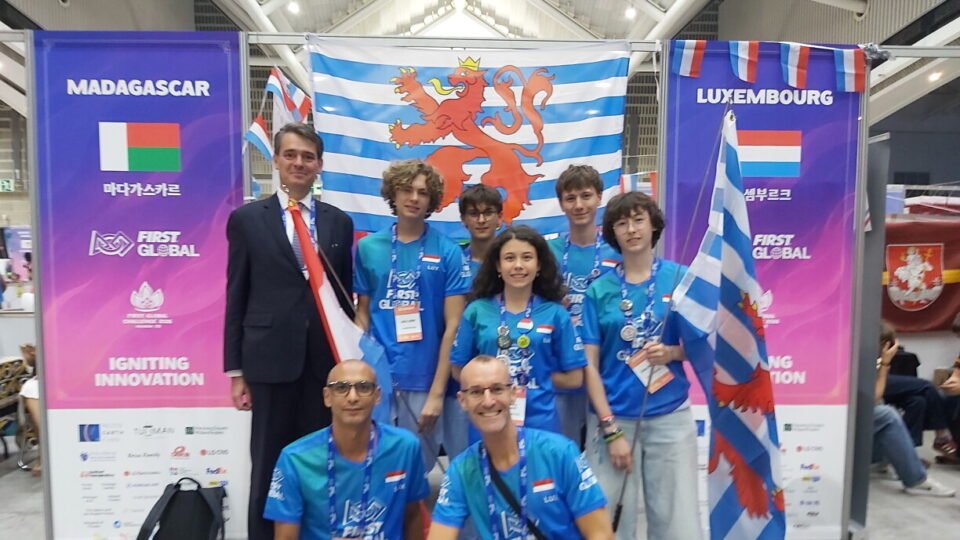
Luxembourg made waves at the 2026 FIRST Global Challenge in Incheon, South Korea, as the MS20 makerspace team from the Lycée français Vauban clinched the silver medal in what is often considered the Olympics of robotics.
This marks the country’s most impressive result to date in the prestigious global tournament, which brought together 185 high school teams from around the world this year.
According to Jérôme Metzler, a physics and computer science teacher at Vauban and the driving force behind MS20, this achievement represents an unprecedented milestone for the Grand Duchy, as Luxembourg had never previously reached the podium at the event.
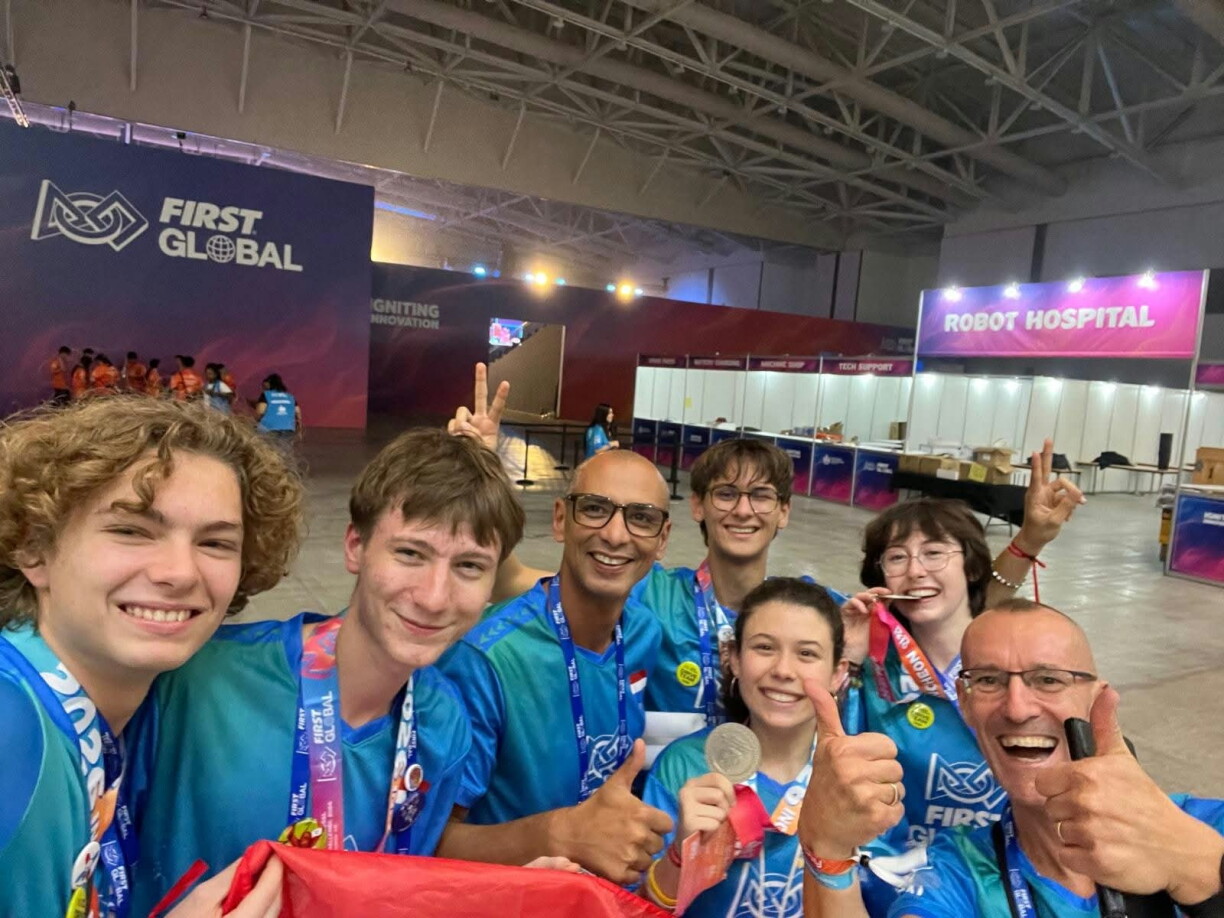
The MS20 makerspace within the school encourages creativity, innovation, and teamwork among students, and thus provides fertile ground for their remarkable accomplishment in South Korea.
This year marked Luxembourg’s third appearance at the FIRST Global Challenge, following previous participations in Geneva in 2022 and Singapore in 2023.
The 2026 finals in Incheon, South Korea’s third largest city, proved memorable for team members Cléa, Esteban, Alix, Côme, and Léonore, whose dedication and collaborative spirit led them to an exceptional second-place finish.
This competition extends beyond pure technical prowess: it also tests the ability of young engineers to communicate and collaborate across borders.
Over four days, teams form international alliances, pooling their skills to tackle real-time challenges. These alliances not only put engineering abilities to the test, but also demand resourcefulness and effective teamwork on a global scale.
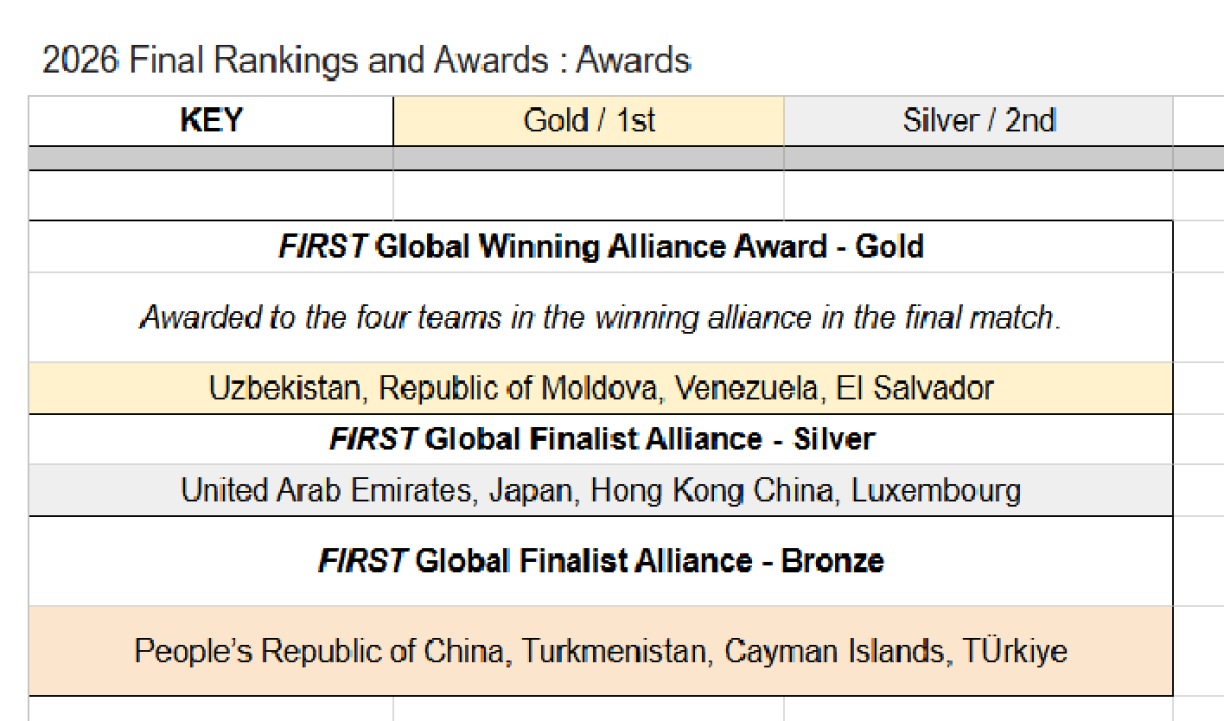
The Vauban students rose to the challenge as they navigated a dramatic Saturday and, with a stroke of luck, advanced to the finals as part of an alliance including the United Arab Emirates, Japan, Hong Kong, and Luxembourg.
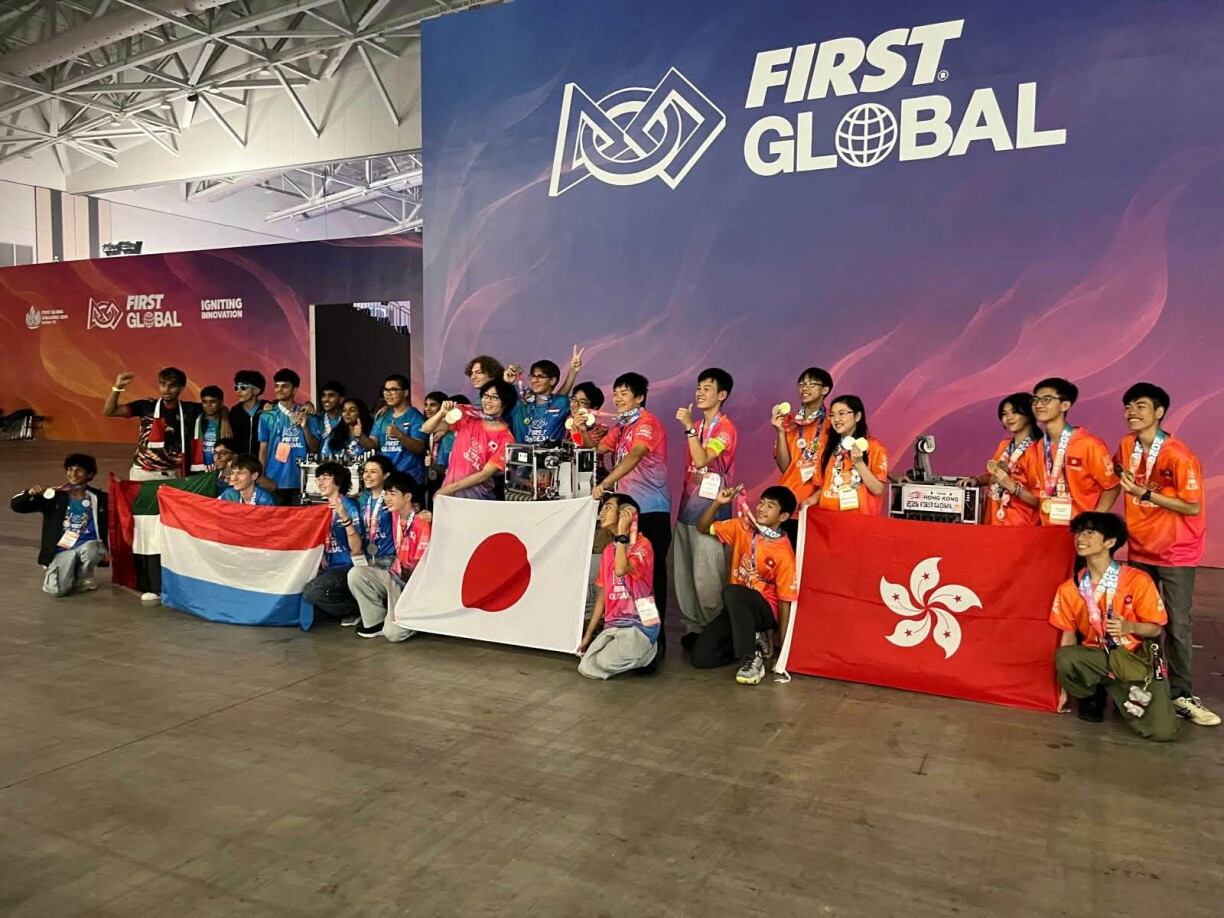
Their ability to adapt and work alongside their peers from other countries was crucial in securing a place among the top three teams.
In the closely contested final, Luxembourg’s alliance scored 1,016 points, finishing just 44 points behind the winning group led by Uzbekistan, Moldova, Venezuela, and El Salvador, who reached 1,060 points.
The third-place alliance, led by China in partnership with Turkmenistan, the Cayman Islands, and Turkey, finished with 1,009 points.
The slim margin between the top teams underscored the high level of competition and the intensity of the final showdown.
Undeterred, the team partnered with Japan’s highly effective robot, which is capable of launching up to seven balls per second, and secured a narrow victory with a score of 224 to 214.
In the following match, teaming up with Slovenia and Venezuela, Luxembourg earned an additional 178 points, ultimately concluding the qualification phase ranked 80th worldwide.
The final day of competition brought its own challenges for the Luxembourg team. Technical issues with the robot’s collection system led to a disappointing first match, yielding only 26 points.
With the official draw for the final rounds, Luxembourg’s robot was selected for one of the eight finalist alliances. This rule, which redistributes teams for the final phase, allowed the Luxembourg team to compete alongside some of the world’s best and secure a spot in the global top eight.
As the scores were reset for this new championship round, eight multinational alliances, each comprising four countries, competed in a highly strategic, tactical format, which gave every alliance a fresh opportunity to reach the podium.
After four intense matches in which alliances accumulated as many points as possible, only three advanced to the final. For the five Luxembourg students, reaching the top three required sustained energy, constant focus, and the ability to deliver under pressure.
Their efforts were rewarded as they proudly stepped onto the second tier of the global robotics podium, marking a historic achievement for Luxembourg’s robotics community.