
Chester James Carville, not an economist, it should be noted, famously remarked to the Wall Street Journal that when pondering possibilities of reincarnation, he had abandoned the notion of hoping for supreme political, religious or even sporting prowess. Instead, he envisaged his samsara (or spiritual liberation) through the ultimate power to be conferred: the bond market, through which he surmised, ‘you can intimidate everybody’.
The quip has stuck, and the question of how to finance the energy transition has brought the mighty size and influence of the bond market to the fore in sustainability. However, the forces at work are not singular. Fixed income is becoming an important source of finance in building the resilience needed as the physical risks of climate change multiply, while the asset class continues to provide fresh funding via new debt issued by the fossil fuel industry.
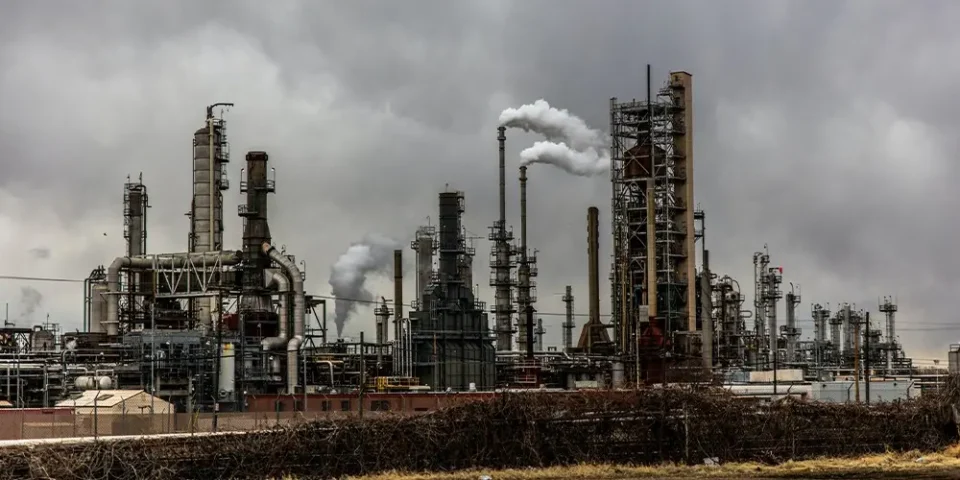
In a poignant illustration of the tensions at work, the trillions of dollars garnered to date this year in sustainability bonds has been matched, almost to the penny, by new loans to oil, gas and coal.
The role of fixed income
Fixed income plays an essential role in the global finance system – central bank reserve management, insurance, sovereign funds and pensions hold between half and three quarters of their assets across the bond market, according to Organisation for Economic Co-operation and Development figures.
How is the bond market responding to the urgent and unconventional risk to assets through the impact of global warming? Rising sea levels, extreme weather, drought and saltwater incursion have spurred investors to consider how they can better assess, manage and mitigate such risks through investing in resilience.
Although equity markets have garnered the headlines in the call to pick up the pace to reduced emissions, the size and scale of the bond market warrants attention. According to OECD figures, by the end of 2025 fixed income represented comfortably in excess of $160tn, a whisker ahead of the value of the global equity market.
Amid the wide range of originators and instruments, there is a new force in finance to be reckoned with: sustainability bonds. Issuance in the past year has consolidated at an impressive $8tn, bringing fresh capital allocation and incentives for building resilience against the mounting and multiplying physical risks of climate change. Official labelling and standards are improving the quality of this new segment of the market, however, they may not capture the full extent of the funding in play.
In Florida, President Donald Trump’s home state and where an Anti-ESG Bond Law was passed in 2023, Miami-Dade County and the City of Miami have raised over $4.5bn in dedicated water, sewage and facility hardening to protect against saltwater incursion due to rising sea levels and severe weather. A rose, or perhaps a risk, by any other name?
Playing both sides
Although there is much to celebrate with the innovation of sustainable, green and blue bonds providing capital, liquidity and lower volatility for investors while financing essential resilience across a wide range of industrial, service and agricultural assets, it is sobering to note that the bond market is deploying funds on both sides.
The hopeful among us point to the unavoidable and immediate crunch on energy supply brought by wars in Ukraine and Iran, which forced the hand of policy-makers and bankers in ensuring the lights stayed on despite global energy supply disruption. Even the well-informed pessimist can note that the price of renewables continues to fall, even as the brief ‘greenium’ for the first movers in sustainability bonds has been priced out by more rigorous appraisals of impact and improved supply.
As the consequences of political failure at COP31 are more fully understood, the role of finance in pricing these risks will no doubt come into stark relief. Finance is the mechanism that connects policy ambition to the real economy.
To return to Carville and his talent for quips, his other advice remains equally cogent: it’s the economy, stupid. The bond market can play the role of friend or foe in the energy transition and is currently doing both. Fiduciaries have an opportunity to align bond market funding with the systemic risks and opportunities that the energy transition brings. Politicians will need some help.
The bond market has work to do in managing and mitigating a complex array of risks in which the energy transition sits. The smart moves in sustainable bond issuance by sovereigns, municipals, companies and development banks show the potential.
Anne Simpson is Vice Chair of OMFIF.
This article will appear in the next edition of the SPI Journal, publishing 25 November.

Interested in this topic? Subscribe to OMFIF’s newsletter for more.