
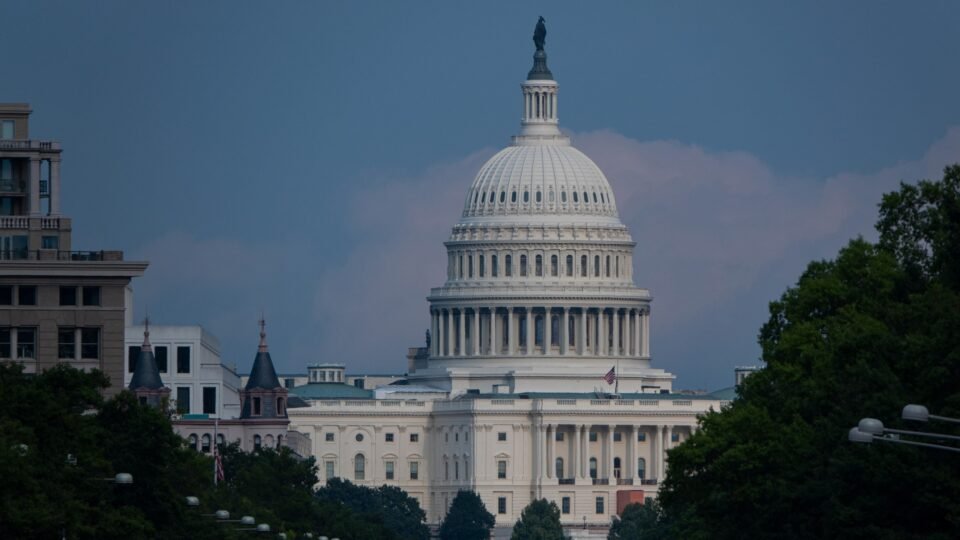
With Democrats set to control both chambers of Congress next year, investors can expect heightened congressional scrutiny of Wall Street and an emphasis on regulation.
Democrats won control of both the US House and Senate in the recent midterm elections, and a Republican remains in the White House. Divided government—when control over the White House and Congress is split between the parties—typically means less legislation signed into law. Congress shifts into more of an oversight role.
This shakeup from one-party rule is unlikely to have a long-term impact on investment portfolios. But it does change which policy debates are worth following over the next two years. A few of these encompass things ordinary investors own: workplace retirement plans, mutual funds and exchange-traded funds, and the growing menu of private investments being marketed to individuals.
Fewer New Laws, More Tough Questions in 2027
With a Democratic Congress and President Donald Trump in the White House, legislation will slow down considerably in 2027. Any bills passed will likely carry broad bipartisan support to survive a potential veto. Ultimately, this rules out sweeping changes to tax, banking, and securities law for the next two years. And it’s why markets historically treat divided government as a period of policy stability rather than risk.
Most of what changes in January is how Congress proceeds with its nonlegislative duties.
Because Democrats will run each of the congressional committees, they will set the hearing calendar, send information requests to companies and regulators, and use the Senate’s power over nominations to influence who runs agencies like the Securities and Exchange Commission and the Department of Labor.
The biggest changes for investors will come through agency rulemaking, and Congress has little power to stop them.
3 Policy Topics We’re Following From Now Through 2028
These policy debates have been ongoing, and they will continue in the next Congress. Here are the ones we’re watching.
Workplace Retirement Plans
The biggest retirement question on the table is whether private investments, such as private equity and private credit, should be more accessible for workplace retirement plans. The Labor Department is working on an alternative-assets rule that would make it easier for employers to offer these investments by giving them legal protection, known as a safe harbor, when they follow a set process for including them in their retirement plan investment lineups.
While the shakeup in Congress cannot stop an agency’s rulemaking, what does change is its reception. A Democratic Congress is likely to focus on fees, valuation, and liquidity. Investors should expect hearings on the subject and employers to test the waters with limited offerings before widespread inclusion of private assets in retirement plans. Most retirement-plan savers will see private investments arrive, if at all, inside target-date funds and managed accounts.
The other retirement item to watch is a third round of retirement legislation, often referred to as Secure 3.0. The first Secure Act was passed under a divided government, so there is precedent for getting a legislative retirement package across the finish line. A new Congress with new priorities makes 2027 a stretch, however, though 2028 remains possible.
Private Investments in Everyday Portfolios
Over the past year, regulators have been looking for ways to expand retail access to the private markets. In September, the SEC proposed two rules that would make it easier for funds sold to individuals to charge performance-based fees and to hold private investments in interval funds. It is also asking for public comment on whether professional credentials or an exam, rather than wealth alone, should qualify someone as an “accredited investor” able to buy private offerings directly. All three are the SEC’s to finish, and the election does not take that power away.
What the election changes is the mood in Congress.
Under Republican control, the conversation was about democratizing access to the private markets. Under Democratic control, expect the conversation to shift toward investor protection. Fees, valuation, liquidity, and whether products built for institutions are suitable for retail savers will dominate the conversations on Capitol Hill. Ultimately, the products will keep arriving, but the firms selling them will face more questions about fees and liquidity than they would have under a Republican Congress.
The Deadlines That Force Congress to Act
Divided government does not mean that nothing passes. Congress routinely acts on what is referred to as “must-pass” legislation. Examples of must-pass legislation include funding the government, raising the debt limit when it comes due, and renewing tax provisions written to expire. Congress has little choice but to pass these bills, and lawmakers frequently leverage them as legislative vehicles to carry provisions they could not pass on their own.
Both Secure 1.0 and 2.0 were passed as part of larger must-pass legislative packages. Expect lawmakers on both sides of the aisle to attempt to leverage these vehicles to get their legislation across the finish line, including banking, retirement, and financial services proposals.
Key Moments to Watch for During These Policy Debates
The current Congress keeps working until the new one is sworn in on Jan. 3. Republicans will attempt to pass as many bills as possible while they still have unified government, including the capital formation package that is currently being negotiated in the Senate.
What to Watch for Between Now and the New Congress
- The Department of Labor’s alternative assets rule. Whether the agency finalizes it before the new Congress arrives, or waits, is the clearest early signal of how the election is affecting regulators’ pace.
- Committee leadership. Each party will choose committee chairs over the next few weeks. Who chairs the Senate Banking, the House Financial Services, and the tax-writing committees will determine each committee’s focus for the next two years.
What to Watch for Once the New Congress Is Seated
- Committee rosters and the hearing calendar. The membership of each committee will be set when Congress reconvenes in January, and we expect the first oversight hearings to begin taking place within the following weeks.
- The SEC’s private markets proposals. September’s performance fee and interval fund proposals, and the related accredited investor definition notices, are still open for comment. What commenters say about fees, valuation, and liquidity will help shape how the SEC decides to proceed on expanding access to the private markets for retail investors.
How Will the Midterm Election Affect Investors’ Portfolios?
In short, not much. Elections change the policy conversation far more often than they change investment strategy. Morningstar’s research on investor behavior consistently finds that poorly timed buying and selling can cost investors a substantial share of their returns, and a knee-jerk reaction to a change in congressional control would be no exception.
Rules that touch individual portfolios move slowly, with public comment periods, agency review, and implementation windows that take months, even years, to become operative.
A rule that is proposed today will not change your investment portfolio tomorrow.