
The succession cases involving the estates of former politician Cyrus Jirongo and Jonathan Moi have once again brought inheritance disputes into the spotlight.
In the Jirongo case, three widows have petitioned for letters of administration, listing themselves and 13 children as beneficiaries. The documents also recognise 16 other children born outside the marriages.
Nineteen beneficiaries were identified in the proceedings involving Jonathan’s estate. The beneficiaries called for DNA tests to be conducted on them in order to benefit from their father’s wealth.
The Law of Succession Act recognises more than biological children. It protects adopted children and, in certain circumstances, people who can prove they depended on the deceased.
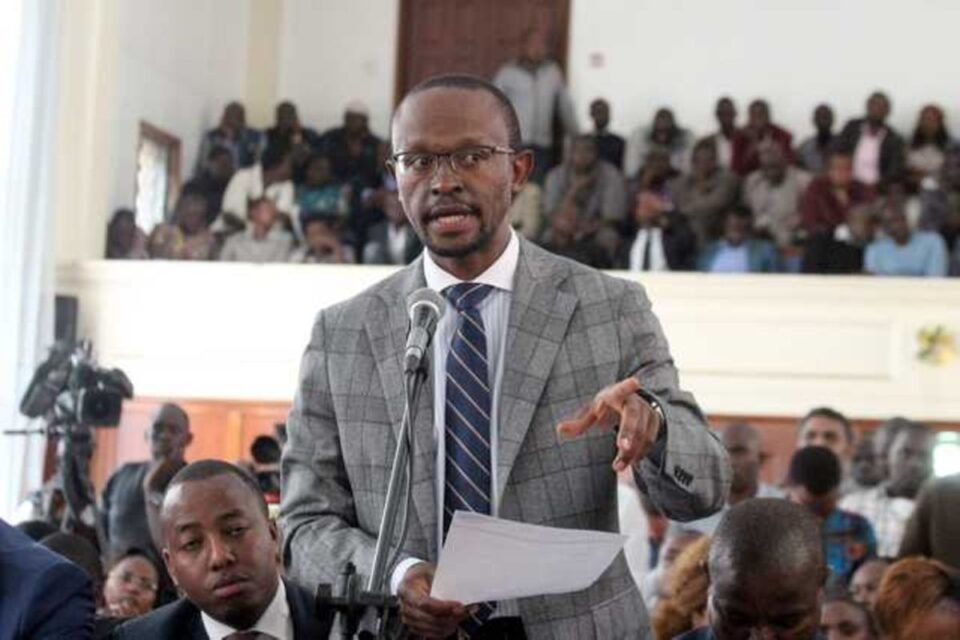
Mr Cecil Miller, a lawyer, answers some of the most common questions arising in succession disputes.
What does the law say about polygamous and blended families?
Under Section 40 of the Law of Succession Act, where a person dies without a will, the estate is shared according to the number of children in every house, with every surviving wife is counted as an additional unit.
If, for example, one wife has three children and another four, the estate is split into nine units. The first house gets four units and the second gets five. The property allocated to each house is distributed according to the normal inheritance rules. Courts can depart from the formula if applying it strictly would lead to an unfair outcome. Where the deceased left a will, he or she has the freedom to decide how property should be distributed, although courts may intervene if dependants are unfairly excluded.
Can children born out of wedlock inherit?
The law does not discriminate against children based on the circumstances of their birth. Section 3(2) of the Act recognises children born outside marriage as beneficiaries. A child maintained by a man as his own can also qualify.
What about adopted and stepchildren?
Adopted children enjoy the same inheritance rights as biological children. The law also recognises stepchildren in certain circumstances. Once a child is legally adopted, they stand on the same footing as a biological child for inheritance purposes.
Can DNA tests determine who inherits?
Though the law does not provide procedures for DNA testing, courts order such tests. A claimant may also rely on documents, acknowledgments by the deceased or court declarations to prove paternity. If DNA confirms paternity, the child is entitled to inherit equally with other children. If it disproves, the claimant cannot inherit as a child, though they may still claim as a dependant.
Can one disinherit a child?
While the law allows adults of sound mind to distribute their property as they wish, that freedom is not absolute. A child who has been left out of a will may apply to court for reasonable provision from the estate. The court considers factors like size of the estate, needs of the claimant and the nature of the relationship with the deceased.
However, a person convicted of murdering the deceased cannot benefit from the estate.
What happens when a beneficiary is a minor?
Children cannot directly manage inherited property. Their share is held in trust by a surviving parent or another trustee appointed by the court until they reach adulthood.
What is a life interest?
Where a deceased person is survived by a spouse and children, the spouse receives household and personal effects and enjoys a life interest in the remainder of the estate. This means the spouse can use and benefit from the property during their lifetime but does not own it absolutely.
The property is preserved for the children, who become entitled to it after the life interest comes to an end. In many cases, the life interest ends if the surviving spouse remarries.
What happens if someone dies without a spouse or children?
Where there is no surviving spouse or child, the estate passes to other relatives according to a legal order of priority. The law first considers the deceased’s father, then mother, siblings, half-siblings and other close relatives.
This order is set out under Section 39 of the Law of Succession Act and is intended to ensure the estate remains within the family.