
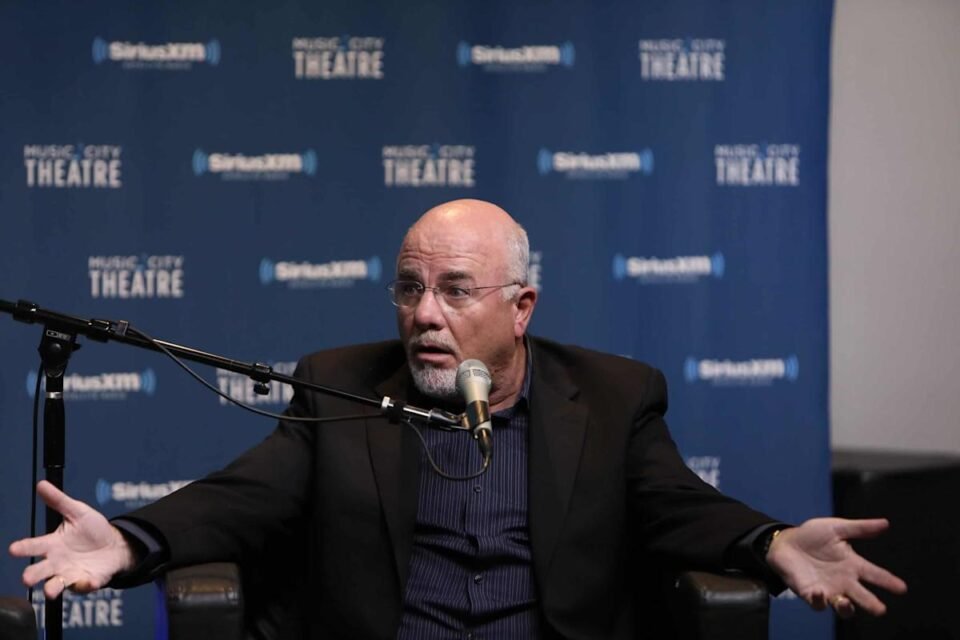
I have to admit, I enjoy watching and listening to personal finance expert Dave Ramsey from time to time. His enthusiasm around personal finance really is contagious. Say what you want about the man, but he has opinions (strong ones at that) about what individuals should and shouldn’t do in certain financial situations.
Key Points
-
Ramsey advocates paying off debts smallest to largest using the debt snowball method before building wealth.
-
He recommends saving 15% of gross income in Roth 401(k) accounts to withdraw contributions and growth tax-free in retirement.
-
Ramsey favors high-growth mutual funds but low-cost diversified ETFs may offer better performance after fees.
The analyst who called NVIDIA in 2010 just named his top 10 stocks. Get them here FREE.
-
The analyst who called NVIDIA in 2010 just named his top 10 AI stocks. Get them here FREE.
His claim to fame centers on helping everyday Americans dig themselves out of what many would consider insurmountable debt. Ramsey’s personal story adds credibility to his message. In his twenties, he built a $4 million real estate portfolio but navigated bankruptcy at age 28 after lenders called in $1.2 million in 90-day commercial notes when his primary bank was sold. The collapse taught him hard lessons about leverage and debt that now inform every piece of advice he gives.
Today, Ramsey lives what he preaches. He carries zero debt of any kind (no credit cards, no lines of credit, no mortgages) and owns all his assets outright, paying cash for any new purchases. His real estate holdings alone are estimated at hundreds of millions of dollars, all acquired without borrowing.
That lifestyle sounds aspirational to most Americans, and frankly unattainable to about 99% of households. But let’s examine three of his most practical pieces of advice for regular folks. Even getting close to debt-free would represent a major win for millions of families.
Step 1: Get Out of Debt

The word “debt” being erased
Dave Ramsey pulls no punches when it comes to debt. In his view, debt represents a fundamental obstacle to wealth building, and Americans would fare better living within their means rather than borrowing from tomorrow to fund today’s purchases.
His personal bankruptcy experience shaped this philosophy. As a young investor, Ramsey over-extended himself on leveraged real estate deals. When banks demanded immediate repayment, he couldn’t liquidate properties fast enough to cover the notes. The resulting bankruptcy didn’t just sink his finances; it created crushing stress and forced him to rebuild from zero.
