
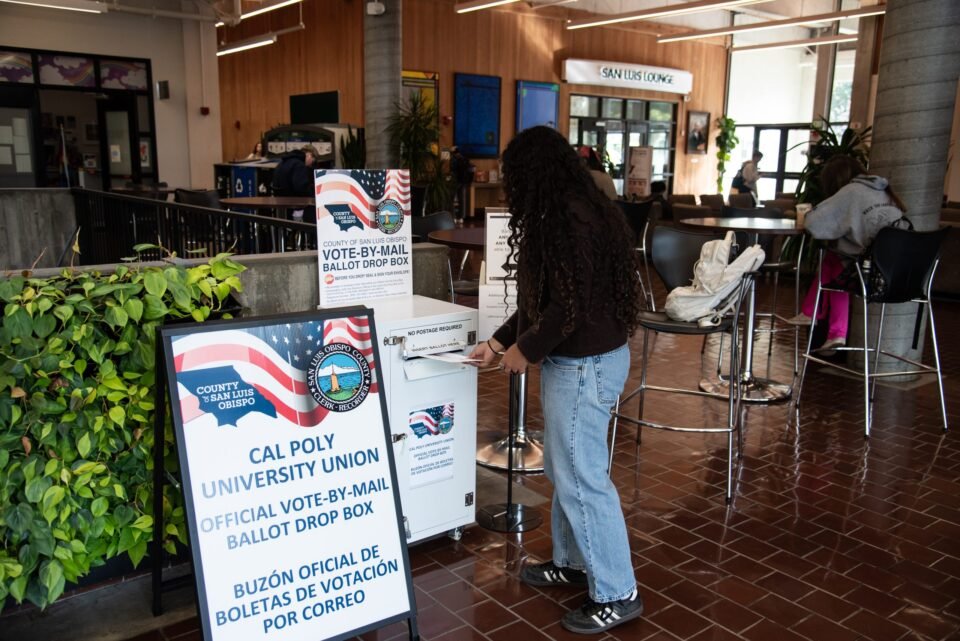
Proposition 4 would allow California and local governments to create public campaign-financing programs for state and local candidates. It would not automatically give candidates taxpayer money, but governments could decide whether to establish a fund for a candidate and set regulations around it, according to the voter information guide.
The proposition could minimize the influence of private funds in politics by allowing the state to allocate funds for candidates in different ways. Political Awareness estimates state elections can cost anywhere from $1,000 to $100,000 dollars, while congressional campaigns range from $10,000 to $10,000,000 in more competitive areas. Individual donations and Political Action Committees, or PACs, consistently fund the majority of campaigns.
Supporters of PACs argue they efficiently support candidate campaign trails who agree with the PAC’s policies. However, critics argue PACs have more access to politicians and more influence over which issues receive attention than ordinary voters have.
The Federal Election Commission sets contribution limits for how much supporters of campaigns can donate per election cycle. In 2026, an individual can contribute $3,500 per election, so $7,000 total if a candidate advances from the primary to the general election.
Multicandidate PACs are limited to $5,000 per election, per candidate. A Multicanidate PAC supports multiple federal candidates and meets the FEC’s requirements: It has been registered for at least six months, received contributions from more than 50 people and contributed to at least five federal candidates.
Proposition 4 supporters argue public financing can encourage candidates with less backing to get their campaigns into the public eye.
Kyle Evans, a political science junior, said he plans to vote in favor of Proposition 4. He supports campaign-finance reform and hopes for broader national support.
“We need stronger safeguards and greater trust in the systems that enforce campaign-finance rules. I’m excited to vote for [Proposition] 4, and I hope it builds broader national support for reform,” Evans said.
Opponents argue their tax money could go to candidates that they do not support.
Reuben Gross-Keck, a business administration freshman, said he plans to vote against Proposition 4.
“If you want to campaign you should get investors, I don’t think you should just have government handouts to campaign,” he said. “If you’re campaigning and you can’t get backers anyways, the chances that you would win an election are pretty slim.”
Proposition 4 would still leave the decision to create public campaign-financing programs to state and local governments.