
When you buy through links on our articles, Future and its syndication partners may earn a commission.

If you need cash and happen to own your home, the equity you have built up there can be a good place to look for it. There are a variety of ways you can tap into those funds, one of which is a cash-out refinance.
This particular option has become “increasingly popular” in recent years. “These loans are up 13% year-over-year and are expected to account for more than 40% of all mortgage refinancings in 2026,” said The Wall Street Journal, citing the Federal Housing Finance Agency. But just because cash-out refinancing is growing in popularity does not mean it’s always a good idea or the right fit for everyone.
What is a cash-out refinance?
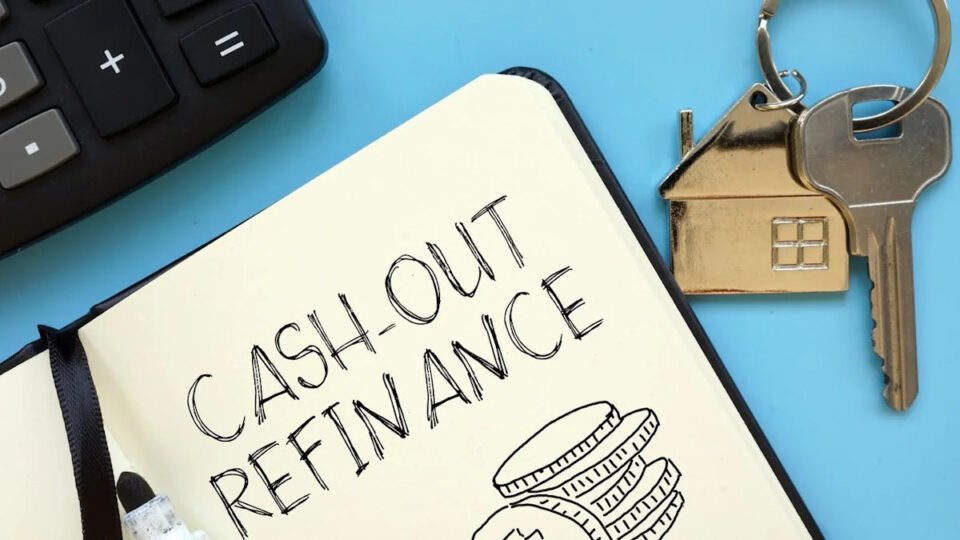
Cash-out refinancing lets “homeowners convert part of their home equity into cash by replacing their current mortgage with a larger one,” with the “difference between the two loans paid out in cash,” said Investopedia. This distinguishes it from a typical refinance, where the new loan is for an equal amount, leaving no leftover funds.
Typically, lenders set an 80% loan-to-value (LTV) ratio, which means “you can borrow up to 80% of your home’s value — minus your outstanding mortgage balance,” said LendingTree. There are often not many restrictions on how you can use the funds, whether that is home repairs or renovations, debt consolidation or a major cost, like college tuition. Keep in mind that this is a secured loan, with your home serving as collateral. It is also necessary to meet eligibility requirements to qualify.
What are the pros and cons of cash-out refinancing?
A cash-out refinance gives you access to cash, typically at a lower interest rate compared to options like credit cards or unsecured loans. Plus, if your financial profile and credit have improved since you took out your original mortgage, you could qualify for better terms.
A better rate is not a guarantee, however. If interest rates have “risen since your original mortgage, you’ll pay more on the new loan even with a credit score of 740 or higher,” said Bankrate. And “since the new mortgage is larger, that higher rate applies to more debt.” The larger balance will also often mean higher monthly payments, with your home on the line if you cannot make them. In addition, you can usually expect to pay closing costs and fees when you refinance.
When can a cash-out refinance make sense?
A big part of the decision comes down to the numbers. You will want to figure out whether you even have enough home equity to qualify — lenders will likely require at least 20% — and how much closing costs and fees will cut into the loan amount you receive. It’s also vital to consider whether the new monthly payment is feasible for your budget.