
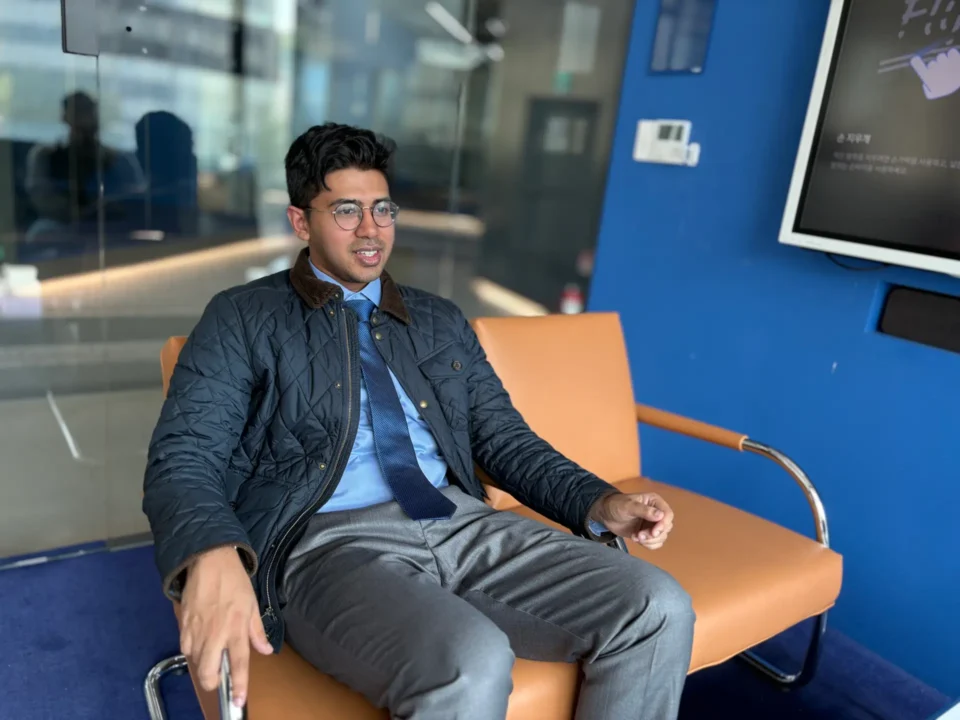
- Pantera Capital said it views the Korean Web3 market as the most important after the U.S. and plans to expand investments tailored to the Korean market.
- Maunder said the token securities law clearly lays out a path for the Web3 industry and tokenization businesses and will have a major market-opening effect.
- Pantera Capital said it will broaden its investment scope from traditional institutions to DeFi and stablecoins, and provide Korean portfolio companies with access to infrastructure and partners through its global network.
Forecast Trend Report by Period


Interview with Pantera Capital Partner Nihal Maunder
U.S. Firm Launched First Blockchain Fund in 2013
Investment in Populous Deepens Push Into Korea
‘Token Securities Law Could Open Korea’s Web3 Market’
‘We Will Offer Portfolio Companies a Global Network’
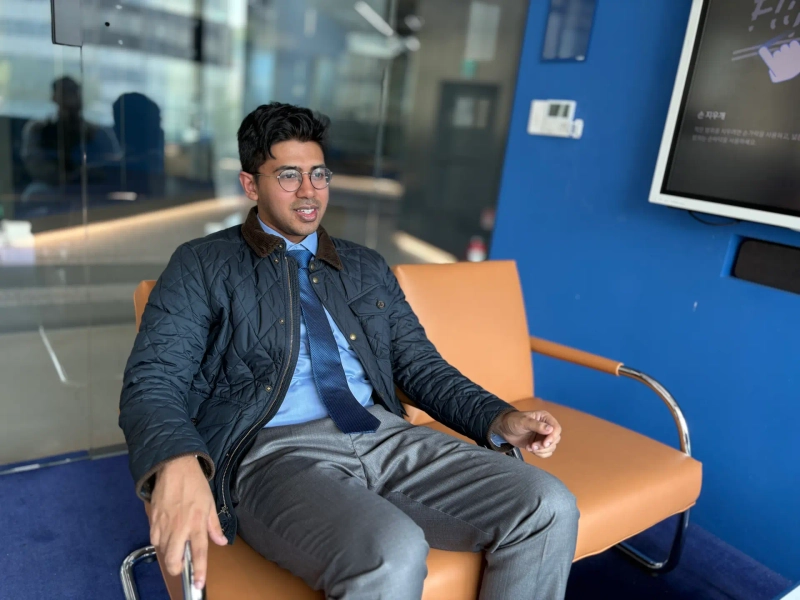
“Korea is the most important Web3 market after the U.S. Pantera Capital plans to expand investments tailored to the Korean market.”
Nihal Maunder, a partner at Pantera Capital, said in an April 29 interview with Bloomberg Bit that Korea will play a critical role in the future of Web3. Pantera recently invested in Korean Web3 research firm Populous at a valuation of 30 billion won ($20.8 million). One reason for the investment was to better understand the context of the Korean market, he said. The firm plans to take a closer look at how Korea’s Web3 ecosystem is building products.
Pantera Capital, founded in 2003, is a major U.S. venture capital firm. In 2013, it launched Pantera Venture Fund, the first blockchain-focused fund in the U.S., helping establish it as a crypto-focused VC. Its blockchain assets under management stood at $3.5 billion as of April. About 25 of its roughly 260 early-stage portfolio companies have grown into unicorns, or privately held startups valued at more than 1 trillion won ($694 million).
‘Korea’s token securities bill is a milestone for opening the Web3 market’
Maunder said Pantera’s investments in Korea will not be limited to Web3-native companies. The firm is looking broadly at opportunities ranging from traditional financial institutions to decentralized finance, or DeFi. Pantera has invested across companies of different types and sizes. Any business with a connection to the Web3 industry, including through stablecoins, could qualify, he said.
He also expressed optimism about Korea’s efforts to formalize rules for digital assets. Maunder pointed in particular to legislation related to security tokens, or STOs, that passed the National Assembly in January. The law clearly lays out a path for tokenization businesses, he said. Clearer regulation and guidelines mean institutions can build services and products aimed at users already familiar with Web3. He added that the legislation could have a major market-opening effect and called it a significant step forward and an important milestone.
Maunder said Pantera’s biggest strength in entering Korea is its global network. The firm’s most valuable contribution as a global partner is the network it has built since 2013, he said, calling it an asset that cannot easily be replicated. After more than a decade in the global Web3 industry, Pantera has also developed a strategic perspective on responding to regulatory changes across countries. It can also give companies access to the right partners and infrastructure for each business, he said.
‘A Korea office is something worth considering’
Asked what matters most in early-stage investing, Maunder pointed to founders. Pantera was an early investor in Circle, the issuer of the USDC stablecoin, Ripple, the issuer of XRP, and blockchain-based lending firm Figure. Pantera’s investment principles have not changed, he said. What matters is backing founders who can navigate the volatility and setbacks that come with the market. The qualities that make a strong founder may differ by region, he added, making trusted local partners in each country essential.
Maunder also said the crypto market could regain upward momentum within the next one to two years. Institutions around the world, whether in the West or Asia, are entering the Web3 industry, he said, and that trend has yet to be reflected in the market. Once macro factors absorbing investor attention, including war and artificial intelligence, find some balance and normalize, institutional adoption will begin to show up in the market, he added.
On the possibility of opening a Korea office, Maunder said it was something on the firm’s roadmap worth considering. There are no concrete plans yet, but Pantera is open to the possibility. The firm will review various options with Korean partners, he said.
Lee Jun-hyung and Jin Wook, Bloomberg Bit reporters gilson@bloomingbit.io