
PI Global Investments
Property

Editorial | China Evergrande founder’s fall a warning to private sector


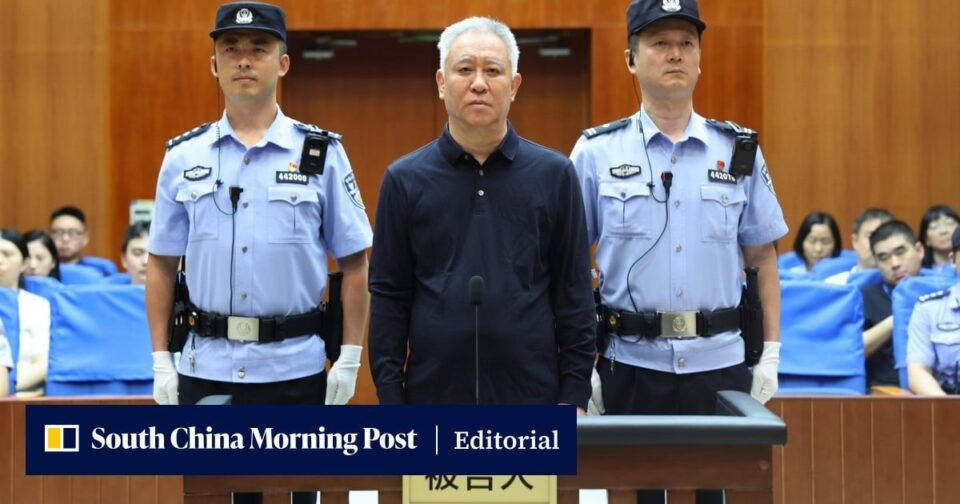
The sentencing of China Evergrande Group founder Hui Ka-yan to life imprisonment, accompanied by the punishment of more than 50 other individuals, brings a sombre conclusion to the saga of what was once the world’s most indebted property developer. While this case marks a significant moment in the ongoing volatility of the mainland property market, it serves primarily as a stark lesson on the limits of corporate survival and the absolute necessity of business integrity.

It is important to distinguish between business failure and criminal conduct. In any market economy, companies rise and fall. While painful, bankruptcy is sometimes an unavoidable consequence of economic cycles. When enterprises face severe financial difficulties, there exists an established, legal path for resolution – through debt restructuring, asset liquidation and transparent negotiations with creditors.

Several other major developers in China have faced similar systemic pressures and have chosen this arduous but responsible path. By selling assets and facing the reality of their diminished fortunes, these leaders have navigated crises without resorting to illegal short cuts.

Evergrande’s trajectory was fundamentally different. The court’s findings reveal that the company did not simply collapse under the weight of market forces; it crumbled because of systemic deceit. The fabrication of financial reports and the conspiracy to manipulate accounting data represent a profound betrayal of public interest and the law. This was not a business model; it was deception, facilitated by auditors who failed in their duties and a leadership structure that prioritised unchecked expansion over fiscal reality.

Hui, who at one time was China’s richest man, was sentenced to life imprisonment for “multiple combined crimes”, with all of his personal property confiscated. Fifty-six people, including the 67-year-old’s two sons, were sentenced to fixed-term imprisonment of 22 months to 18 years, with fines or property confiscated as stipulated by the ruling.

In 2024, the Chinese auditing arm of PwC, one of the Big Four accountancy firms, was suspended from operating in China for six months and fined about 441 million yuan (US$65.6 million) after Chinese authorities found it had helped to cover up fraud at Evergrande.


Source link

Related posts

Man arrested after house fire at property in Kendal

D.William

RCMP warn public after series of locker room thefts at local fitness facilities

D.William

Bertie-Martin jail begins securing property ahead of deep cleaning after June 29 takeover

D.William

Leave a Comment