
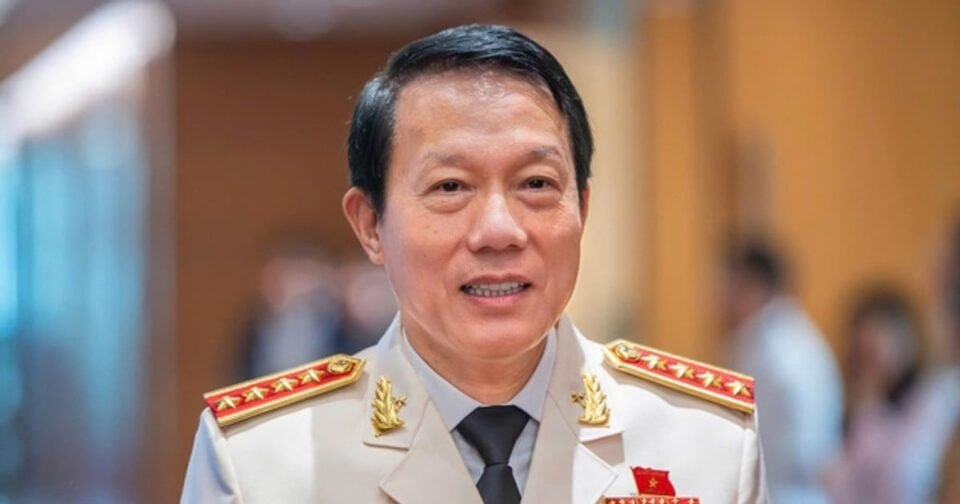
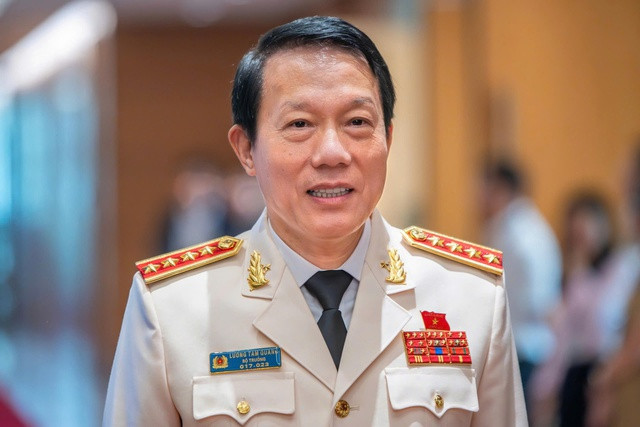
General Luong Tam Quang , Member of the Political Bureau, Minister of Public Security
On the occasion of the 81st anniversary of the August Revolution and National Day on September 2nd, General Luong Tam Quang, Member of the Political Bureau and Minister of Public Security, had an exchange with the Government Online Newspaper on building a disciplined society, strengthening people’s trust, ensuring security and order, and creating a stable environment for national development.
Minister, Resolution 18-NQ/TW addresses the issue of building a disciplined society in the context of the country entering a new stage of development. In your opinion, why should social discipline be considered one of the foundations of a developed, safe, and prosperous Vietnam?
Minister Luong Tam Quang: In the documents of the 14th National Congress and Resolution No. 18-NQ/TW of the Third Plenum of the 14th Central Committee of the Party, the Party’s guiding ideology on building a disciplined society is consistent and pervasive. In particular, social discipline must become one of the foundations of a rapidly developing, sustainable, safe, and prosperous Vietnam, stemming from the following reasons:
Discipline ensures that all citizens, organizations, and agencies live and operate within a clear, fair, and strictly enforced legal order. This creates a foundation for citizens to work, produce, and do business with peace of mind; for businesses to invest boldly and innovate; for the State to improve its management effectiveness; and for society to better utilize its resources for development.
In fact, in some countries around the world , when discipline is disregarded, laws are not strictly enforced, violations are not dealt with promptly, and responsibilities are not clearly defined, not only is social order affected, but development costs also increase, social trust is eroded, and national resources are dispersed to address consequences that could have been prevented early on, thus becoming an obstacle to development.
Building a disciplined society is essentially building the “soft infrastructure” for development. This infrastructure creates a safe, stable, transparent, and predictable environment; thereby strengthening the confidence of the people, businesses, and the international community in Vietnam’s investment, business, and governance environment. When discipline is strengthened, the rule of law is upheld, security and order are ensured, and social trust is enhanced, this will be a solid foundation for Vietnam to develop faster and more sustainably, successfully achieving the two centenary goals.

As the core force protecting security and order, the discipline, order, and exemplary responsibility of the People’s Police must always be higher and stricter, in the spirit of the Three Best: “Most Disciplined – Most Loyal – Closest to the People”.
According to the Minister, where should discipline begin and how should it be demonstrated first? With the police force as the core element in ensuring security and order, what requirements does the Minister set regarding discipline, conduct, and exemplary responsibility within the police force itself?
Minister Luong Tam Quang: Discipline must first begin within the Party, within the state apparatus, from agencies, units, officials, Party members, and the heads of Party committees and governments at all levels; it begins with strict adherence to the Constitution and laws, and the correct and effective performance of assigned responsibilities and duties in accordance with the spirit of responsibility discipline and implementation discipline as defined by the 14th Party Congress.
In this context, leaders must set an example, public agencies must operate within their functions, duties, and authority, and the law must be strictly, uniformly, fairly, and transparently enforced. At the same time, discipline begins with the awareness and actions of all organizations and individuals in upholding the “rule of law.”
As the core force protecting security and order, the discipline, order, and exemplary responsibility of the People’s Police must always be higher and stricter, in the spirit of the Three “Mosts”: “Most Disciplined – Most Loyal – Closest to the People”. Regardless of the circumstances, all officers and soldiers must always be absolutely loyal to the Fatherland, the Party, the State, and the People; strictly abide by the Constitution, laws, the People’s Police Regulations, work procedures, functions, duties, powers, and responsibilities assigned to them.
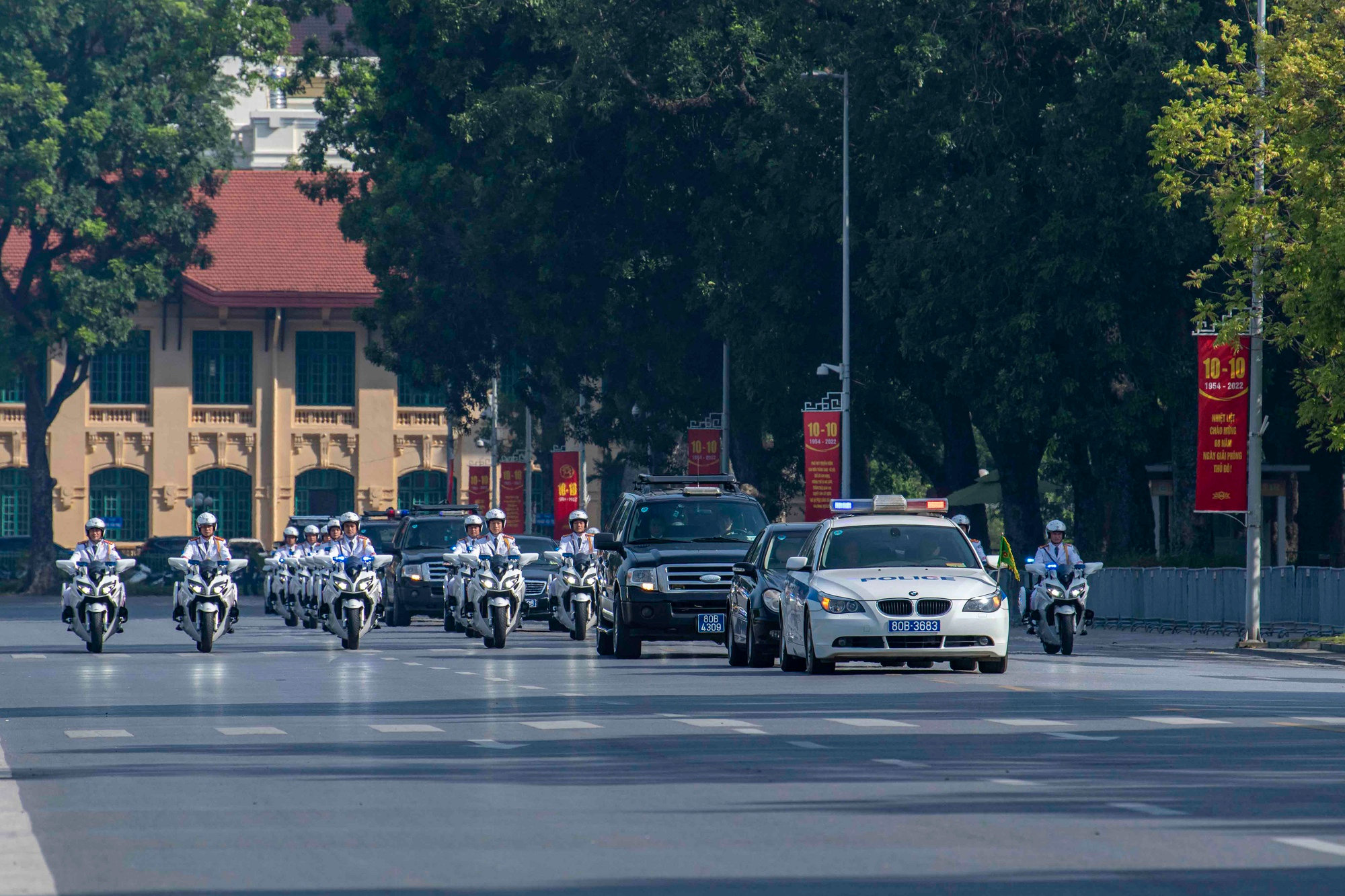
In all aspects of work, it is necessary to respect and protect the legitimate rights and interests of agencies, organizations, and individuals; to behave appropriately, be close to the people, serve the people with dedication; to avoid causing inconvenience or harassment; to not evade or shirk responsibility; to resolve issues on time, according to procedures and regulations; to dare to think, dare to act, dare to innovate, and dare to take responsibility for the common good.
All officers and soldiers, regardless of position or rank, are subject to leadership, command, inspection, supervision, and disciplinary action in accordance with regulations when violations occur; there are no forbidden areas and no exceptions. Heads of all levels of the Public Security force must set an example in complying with laws, regulations, and discipline; be closely involved with the grassroots level and have a firm grasp of the situation; regularly inspect, supervise, promptly correct shortcomings and deficiencies, and be held responsible for violations occurring within their areas of responsibility.
Every police officer and soldier must uphold their integrity, honor, and reputation; constantly study, train, and improve their professional skills, legal knowledge, and work abilities; dare to fight against wrongdoing, dare to take responsibility, and place the interests of the nation and the peace and happiness of the people above personal interests.
According to the Minister, how can we strengthen state management and ensure security and order without creating unnecessary procedures and barriers, but instead make people feel safer, more convenient, and better protected?
Minister Luong Tam Quang: To strengthen state management, ensure security and order without creating unnecessary procedures or barriers, and to make people feel safer, more convenient, and better protected is one of the goals set out in Resolution No. 18. To achieve this, the Resolution has also clearly identified solutions, focusing on strongly reforming the thinking of state management, shifting from “social management” to “governance and social creation,” and from “management by procedures” to “management by data and technology.”
Furthermore, administrative procedures should be reformed continuously, reducing paperwork and the number of required documents that can be accessed electronically, minimizing unnecessary requirements for citizens, and reducing the number of times citizens have to visit government agencies to complete procedures. Simultaneously, the management capacity of government agencies should be strengthened, along with increased data exploitation, information analysis, risk detection, early warning, and investigation and handling of cases showing signs of violations and crimes.
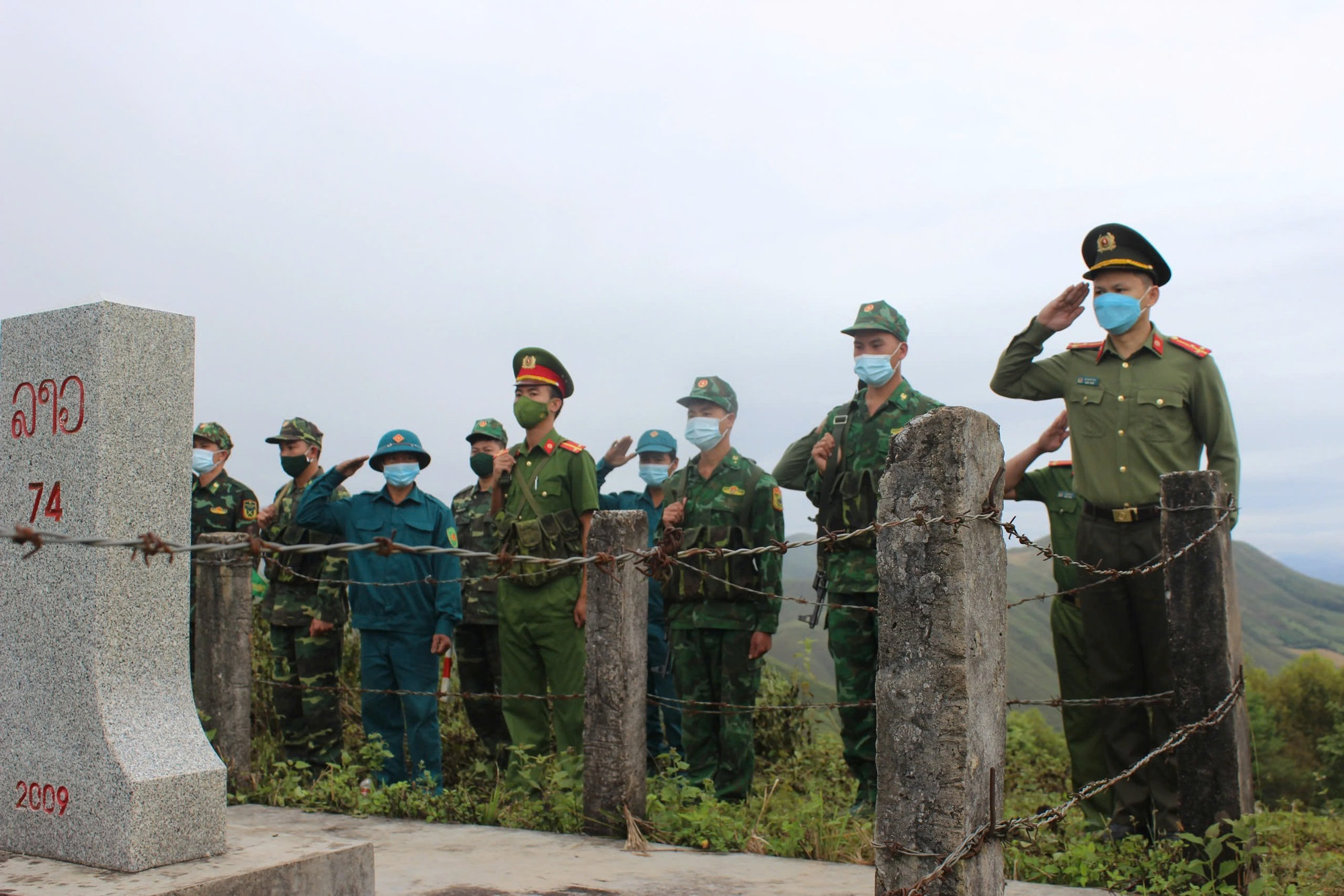
Mobilize the strength of the people and promote the role of local authorities and commune-level police in protecting security and order at the grassroots level.
At the same time, there should be a strong shift from pre-auditing to post-auditing, moving quickly towards “smart post-auditing” based on data.
Bring social governance closer to the grassroots and promote the leading role of the people. Mobilize the strength of the masses, promote the role of local authorities, commune-level police, forces participating in protecting security and order at the grassroots level, former People’s Police officers, the Fatherland Front, political and social organizations, families and residential communities in detecting and handling social conflicts, evils, and violence early and at the grassroots level, preventing them from accumulating into security and order problems.
Putting citizens and businesses at the center, and using the convenience and safety of citizens as one of the measures of effective state management.
By implementing these solutions in a coordinated manner, the State can manage more effectively while citizens have to go through fewer procedures; society becomes more disciplined but life is more convenient, and citizens are better protected; risks are managed more tightly while maximizing the space for people and businesses to develop.
New spaces like the Internet and the digital environment are presenting unprecedented challenges: high-tech crime, online fraud, fake news, and personal data breaches. According to the Minister, how should “discipline” in cyberspace be established to both protect citizens, ensure security and safety, and avoid creating barriers to innovation and the development of the digital economy ?
Minister Luong Tam Quang: First of all, it needs to be affirmed that discipline is not a barrier to innovation, but rather a foundation for building trust, unlocking resources, and expanding the space for development. Accordingly, discipline in cyberspace is not only to best protect citizens and businesses, but is also a resource for innovation and the development of the digital economy. To build discipline in cyberspace, four key tasks are being focused on.
Firstly , it is necessary to improve the legal framework to foster development, manage risks, and genuinely protect the legitimate rights and interests of citizens and businesses. A comprehensive, transparent, and feasible legal framework must be established, resolutely overcoming the “if you can’t manage it, ban it” mentality, eliminating rigid regulations and unnecessary administrative procedures, and addressing overlapping and redundant inspections and audits of businesses. For high-risk sectors, protection must be rigorous and proportionate; for low-risk activities, unnecessary compliance costs should be reduced, and the capacity for self-assessment, self-compliance, and post-auditing should be increased in areas permitted by law; and for new technologies and business models, the mechanism for controlled testing should be further refined. This will ensure effective state management while paving the way for innovation and development.
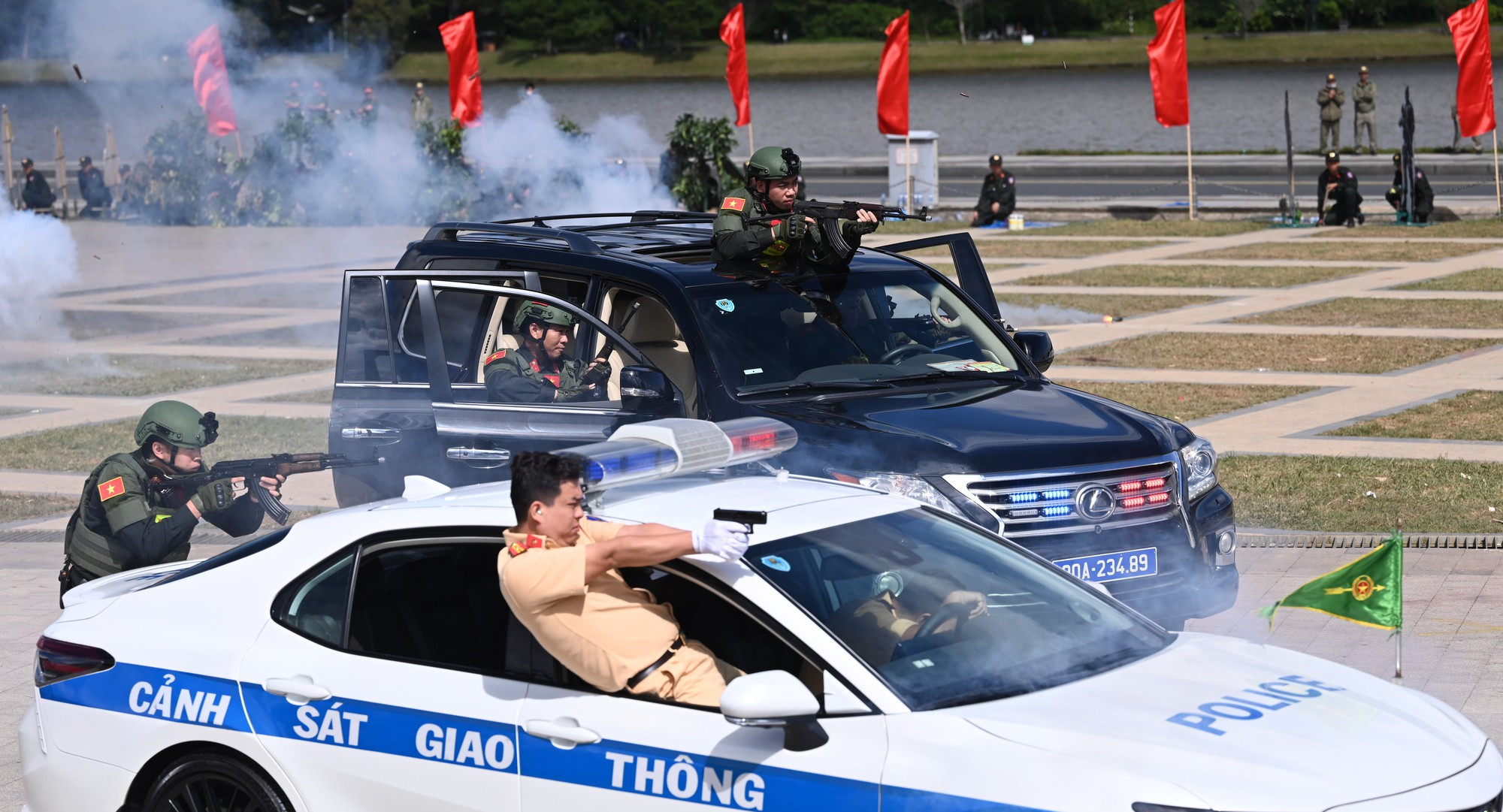
Every police officer and soldier must uphold their integrity, honor, and reputation; constantly study, train, and improve their professional skills, legal knowledge, and work abilities.
Secondly , we need to build national capacity from passive response to proactive defense, detecting and addressing risks early and remotely. This involves building a highly skilled and modern specialized force capable of assessing the situation, analyzing, forecasting, providing early warnings, and handling complex situations; establishing a mechanism for coordination and cooperation between state agencies, businesses, research institutions, and the expert community. The state plays a crucial role in creating a clear legal system, ensuring strict enforcement, and providing tools for all stakeholders to participate in ensuring safety. Businesses providing digital infrastructure and services must truly be at the forefront of incident detection, warning, prevention, and response; bearing responsibility commensurate with the scale, impact, and risks of the ecosystem they operate. Professional associations, research institutions, and the expert community need to play a key role in early warning and disseminating best practices. Every citizen must be equipped with the necessary digital knowledge and skills to protect themselves and participate in building a safe and civilized digital environment.
Thirdly , we must strengthen digital trust, create a safe and reliable cyberspace, and promote humanistic values. The focus is on ensuring the full rights of individuals whose personal data is being collected, so that citizens are fully aware of the purpose, scope, and methods of data collection, use, and sharing, and can exercise their rights and obligations as stipulated by law. Businesses and digital platforms must protect users, compete on quality, transparency, and social responsibility, and not compromise privacy, safety, and trust for short-term growth. We must leverage the role of the National Cybersecurity Association, the Digital Trust Alliance, the press, the technology community, and social organizations; implement network trust assessments, combat fake news, harmful information, online fraud, and protect children in cyberspace. The ultimate effectiveness must be measured by the level of safety, satisfaction, rights, and genuine trust of citizens in the digital space.
Fourth , prioritize protecting citizens as the highest goal. The focus is on protecting people from the methods and tactics of high-tech criminals, online fraud, and fake news and misinformation.
The Ministry of Public Security and the State Bank of Vietnam have established a coordination mechanism and formed a task force to focus on detecting, tracing, preventing, and freezing money flows related to fraudulent activities. Recently, they also advised the Government to issue Decree No. 328/2026/ND-CP regulating the prevention and combating of fake news and misinformation. From October 5, 2026, VNeID will be one of the channels for citizens to provide and report information that appears to be false or misleading, in accordance with Decree No. 328. Furthermore, in implementing Resolution No. 22-NQ/TW of the 3rd Plenum of the 14th Central Committee of the Communist Party of Vietnam, a series of comprehensive solutions to protect citizens in cyberspace will be implemented.
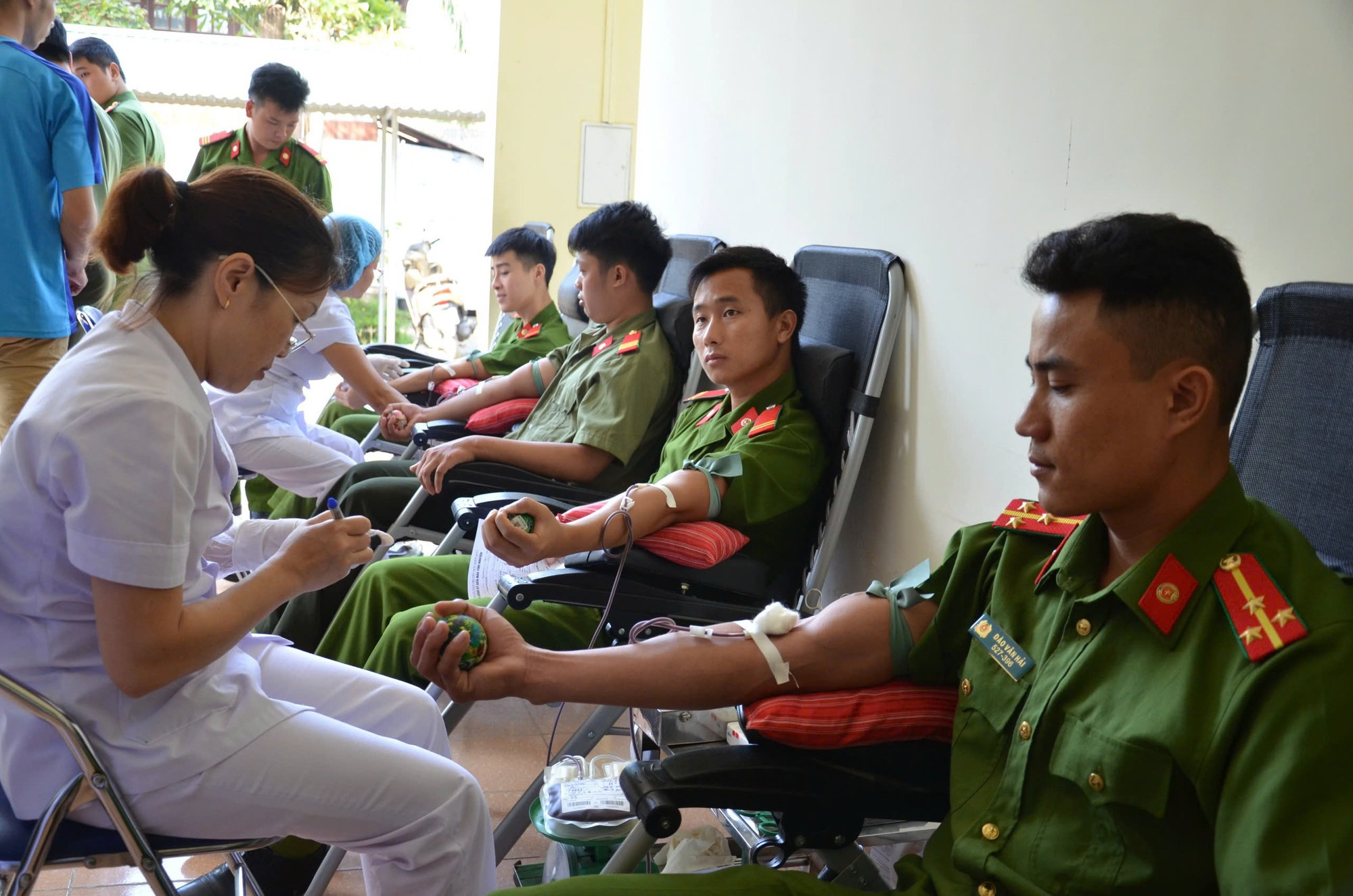
Police officers participate in blood donation.
One of the requirements that people are particularly interested in when discussing a disciplined society is “no forbidden zones, no exceptions before the law.” According to the Minister, what significance does this principle have for strengthening people’s trust and building a culture of the rule of law?
Minister Luong Tam Quang: The requirement “No forbidden zones, no exceptions before the law” has become an important principle in building a rule-of-law state, maintaining social order, and strengthening the people’s trust; it is an important method to consolidate discipline, the spirit of the supremacy of law, prevent abuse of power, and is a measure of a disciplined society.
Trust is not formed by words but accumulated from the people’s real-life experiences: those who do the right are protected; those who violate the law are punished; the vulnerable are protected in their legitimate rights and interests; officials, Party members, and those in positions of power who violate the law must be dealt with severely; there are no privileges or special advantages.
When people see that the law is applied fairly, that the enforcement apparatus is honest, and that their legitimate rights are protected, their trust and affection for the Party and the State are increasingly strengthened; this is a tremendous force for the country to steadily develop in the new era.
Thank you very much, Minister!
Source: https://baolamdong.vn/dai-tuong-luong-tam-quang-xa-hoi-ky-cuong-la-ha-tang-mem-cho-phat-trien-462836.html