
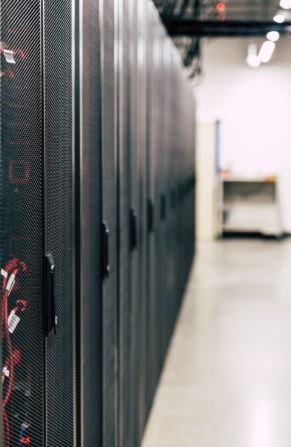
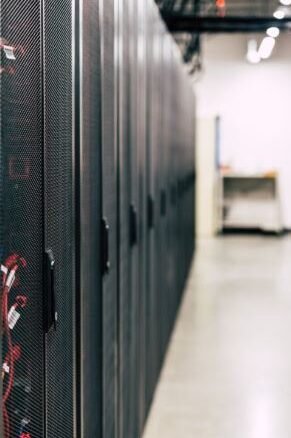
Ireland’s growing data centre industry is becoming an important pillar of its digital economy, as rising demand for artificial intelligence, cloud computing and online services drives investment in advanced technology infrastructure. Once viewed primarily as facilities for storing and processing digital information, data centres are now central to how businesses operate, financial institutions manage transactions and organisations develop AI-powered services.
As global technology companies expand their digital capabilities, Ireland is strengthening its position as an important international hub for data storage, cloud services and AI infrastructure. The country’s established technology ecosystem, skilled workforce, international connectivity and presence of major multinational businesses have made it an attractive destination for large-scale digital investment.
The economic impact is extending well beyond the construction and operation of these facilities. Data centre development is generating demand for engineering, electrical equipment, specialist construction, maintenance, cybersecurity and energy services. It is also supporting businesses across industries that increasingly depend on reliable digital infrastructure. However, this expansion is bringing an important challenge into focus: how can Ireland accommodate growing technology investment without placing excessive pressure on its electricity network and climate commitments?
Data Centres Become a Foundation for Ireland’s Digital Economy
Artificial intelligence is increasing the need for computing capacity, making data centres an essential part of modern business infrastructure. Training and operating advanced AI systems require substantial computing power, while cloud platforms need secure and reliable facilities to process growing volumes of information.
For Ireland, this demand represents a significant economic opportunity. Data centres support a wide range of commercial activities, including financial services, healthcare, retail, transport, professional services and information technology. Businesses increasingly depend on these facilities for data storage, digital transactions, software applications and AI-powered operations.
The sector’s economic contribution is already substantial. In 2024, data centre construction and operations generated approximately €2.2 billion in gross value added (GVA) and supported around 19,500 jobs. Employment-related tax contributions reached approximately €280 million.
These figures demonstrate that the industry’s importance extends beyond technology companies. Its economic footprint reaches construction contractors, equipment suppliers, engineering firms and professional service providers, creating business opportunities across multiple parts of the economy.
AI Investment Strengthens Ireland’s Position as a Global Technology Hub
Ireland’s established presence in the international technology industry is helping attract further investment in digital infrastructure. Major global technology companies have built significant operations in the country, creating an ecosystem that supports cloud computing, enterprise software and advanced digital services.
Reliable data centre capacity is an important consideration for companies deciding where to establish or expand their technology operations. Access to strong digital connectivity, international fibre networks and specialised technical expertise makes Ireland particularly relevant to businesses serving European and wider international markets.
The expansion of AI infrastructure could further strengthen this position. As companies seek locations capable of supporting advanced computing requirements, demand for data centre capacity, cloud services and related technology solutions is likely to remain an important investment driver.
For Ireland, this creates an opportunity to attract additional foreign direct investment, retain multinational operations and strengthen its role in the global digital economy.
High-Tech Construction Creates Opportunities for Irish Businesses
The economic benefits of data centre expansion are also visible in Ireland’s construction and engineering industries. Developing these facilities requires specialised expertise in electrical systems, cooling technologies, power management, security infrastructure and advanced building design.
This is creating opportunities for Irish-owned businesses involved in engineering, construction, equipment supply and technical services.
The contribution to exports is particularly significant. High-tech construction exports from Irish-owned companies linked to data centre-related activity were estimated at approximately €2.1 billion in 2024, accounting for around 40% of the country’s high-tech construction exports.
This highlights how large-scale digital infrastructure projects can strengthen domestic industrial capabilities. Local contractors and suppliers gain opportunities to work on technically demanding projects, develop specialised expertise and build relationships with international technology companies.
For smaller businesses, the growing ecosystem can create opportunities in maintenance, electrical installation, facility management, security, consulting and other supporting services. The expansion of data centres can therefore generate commercial activity far beyond the companies directly operating these facilities.
Employment and Skills Demand Expand Beyond Technology
Data centre development is creating demand for a diverse range of professional skills. While software engineering and IT expertise remain important, these facilities also require electrical engineers, mechanical specialists, construction professionals, energy managers, cybersecurity experts and maintenance technicians.
This broad employment requirement offers opportunities for workers across different educational and professional backgrounds.
As the industry develops, technical training and specialised education will become increasingly important. Businesses will need employees who understand advanced cooling systems, energy-efficient infrastructure, automated monitoring and complex electrical operations.
For Ireland’s education and training sector, this creates opportunities to develop industry-focused programmes and strengthen the supply of skilled professionals. Companies that invest in employee development and technical training can also benefit from a stronger domestic talent pipeline.
Rising Electricity Demand Creates an Infrastructure Challenge
Despite its economic contribution, the expansion of data centres is creating growing pressure on Ireland’s electricity system.
Data centres require a continuous and reliable supply of power to operate servers, cooling equipment and supporting infrastructure. Unlike many conventional businesses, their electricity requirements remain high throughout the day and night.
Data centres accounted for approximately 23% of Ireland’s metered electricity consumption, highlighting the scale of their energy requirements. Their share could approach one-third of national electricity consumption by 2030 if demand continues to increase.
This presents a major planning challenge. Electricity demand from AI and cloud computing is rising at a time when Ireland also needs to expand renewable energy generation, strengthen grid capacity and meet its climate objectives.
The pressure is not limited to electricity availability. New infrastructure requires investment in transmission networks, substations, renewable generation and energy storage. Without sufficient planning, delays in grid connections and infrastructure constraints could affect both data centre development and other businesses seeking reliable electricity supplies.
Renewable Energy and Sustainable Infrastructure Become Critical
The future growth of Ireland’s data centre industry will increasingly depend on how effectively energy requirements are managed.
Renewable energy sources, particularly wind and solar, can help reduce the environmental impact of digital infrastructure. However, matching the continuous electricity requirements of data centres with renewable generation requires additional investment in grid connections, storage and flexible energy systems.
This is creating opportunities for renewable energy developers, battery storage companies, grid technology providers and energy management businesses.
Data centre operators are also under increasing pressure to improve energy efficiency through advanced cooling systems, efficient server technologies and better facility management. Locating facilities closer to renewable generation and developing suitable onsite or nearby energy arrangements can also form part of the solution.
Ireland’s Large Energy User Plan reflects the need to balance industrial development with the country’s wider energy and climate priorities. Future data centre projects will need to demonstrate how their electricity requirements can be accommodated responsibly, including through stronger renewable energy arrangements and infrastructure planning.
Opportunities for Startups and Supporting Industries
The expansion of AI infrastructure is creating a wider business ecosystem in Ireland. Opportunities are emerging not only for large technology companies but also for startups and specialised service providers.
Businesses offering cloud management, cybersecurity, AI computing solutions, energy optimisation and infrastructure monitoring can benefit from increasing demand. Renewable energy startups and companies developing battery storage, cooling technologies and smart electricity systems may also find new commercial opportunities.
Local engineering and construction firms can strengthen their position by developing specialised capabilities required for large-scale digital infrastructure projects.
For smaller enterprises, the growing data centre ecosystem offers opportunities to become suppliers and service partners. This can help them access new business contracts, develop technical expertise and participate in Ireland’s expanding digital economy.
Balancing Economic Growth with Long-Term Sustainability
Ireland’s data centre expansion represents an important opportunity to strengthen its position in the global technology industry. The sector is generating economic value, supporting employment, attracting investment and creating opportunities for domestic construction and engineering businesses.
At the same time, its future cannot depend on expansion alone. Electricity availability, renewable energy development, grid capacity and environmental responsibilities will play an increasingly important role in determining how quickly the industry can grow.
For policymakers, the priority will be to ensure that digital infrastructure development supports wider economic interests without creating disproportionate pressure on national resources. For businesses, access to reliable and sustainable energy will become a major consideration when planning new investments.
The Next Phase of Ireland’s Digital Growth
Ireland’s data centre industry is evolving from a specialised technology segment into an essential part of the country’s economic infrastructure. Its contribution reaches across international investment, employment, construction, engineering and the growing use of artificial intelligence in everyday business operations.
As AI adoption accelerates, demand for computing capacity is likely to create further opportunities for technology companies, infrastructure developers and supporting industries. However, the long-term success of this growth will depend on the country’s ability to connect digital investment with energy security and environmental responsibility.
The opportunity for Ireland is not simply to attract more data centre projects, but to build an infrastructure ecosystem that delivers wider economic benefits. By strengthening renewable energy capacity, developing skilled talent and encouraging responsible investment, the country can turn rising global demand for AI infrastructure into a sustainable source of business growth and international competitiveness.