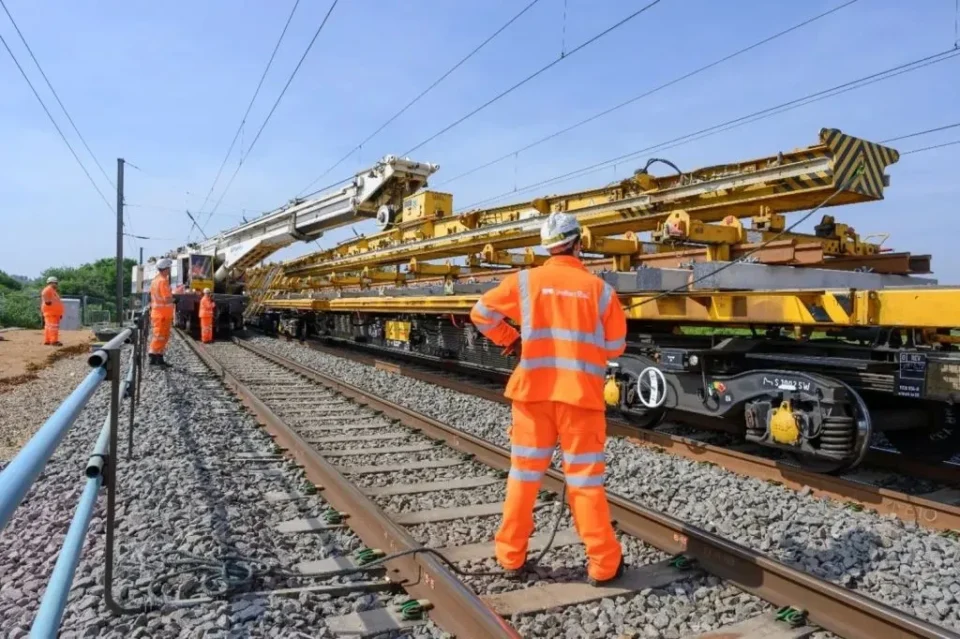
The Office of Rail and Road (ORR) has cut the charges that third parties pay to invest in the UK’s rail network, in a move it says will reduce costs for companies and investors to support economic activity.
ORR published new rates for fees that Network Rail levies to cover the risk it assumes when a third party funds or carries out work on the railway.
The changes follow a detailed review by the regulator, which found scope to set the “risk fee” funds closer to break‑even.
Of the 11 types of industry agreements covered by the review, fees for nine have been reduced.
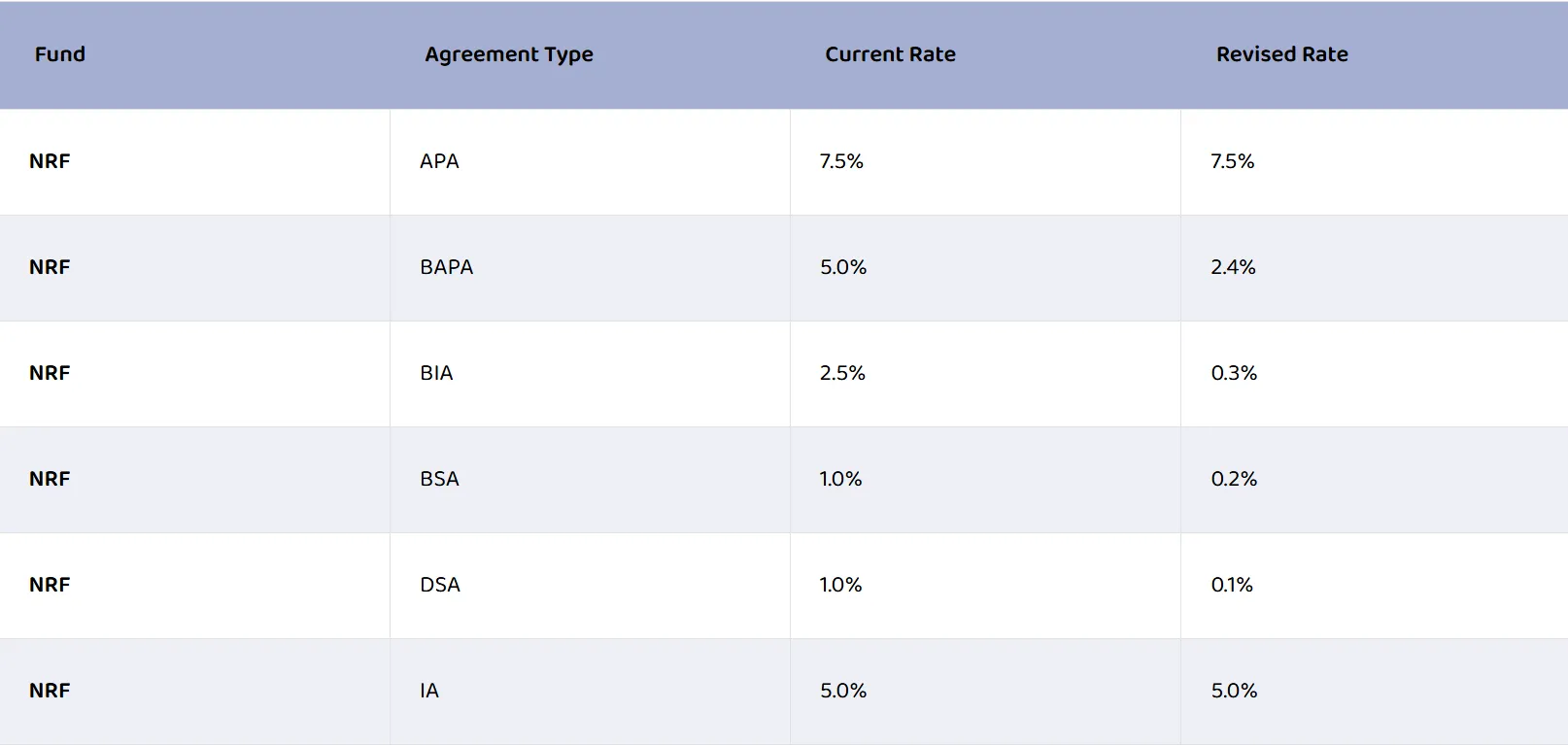
Under the most significant changes, the charge for basic asset protection agreements – used when a customer leads low‑risk delivery of works on the railway and uses the Network Rail Fund (NRF) fees – falls from 5.0% to 2.4%.
Fees for development services agreements, which cover development and design work carried out by Network Rail for a customer, will be cut more steeply to 0.1% of the contract value, one‑tenth of the previous level.
An independent assessment by the Government Actuary’s Department (Gad) estimated that, on the assumption that investment volumes remain at 2025/26 levels, the reductions could save third parties about £2–3M a year.
The new rates take effect from 1 November.
Network Rail has accepted the ORR’s conclusions and said it will update its contract templates to reflect the fee changes.
The operator and the regulator plan to publish aligned information at the end of October.
Network Rail charges the fees to reflect the cost and risk of guaranteeing projects on the operational rail network, for example to ensure funds are available if a third‑party contractor fails to complete work or causes disruption.
ORR’s review concluded that previous rates had a margin above anticipated losses. Reducing that margin is intended to make it cheaper to undertake upgrades and maintenance projects funded outside Network Rail’s direct control.
ORR said it will monitor the funds and may revisit the levels if investment patterns or claims experience change. However, questions remain about how the reductions will affect Network Rail’s exposure to risk and whether lower fees will lead to any changes in how third parties are assessed or managed on the network.
ORR director for planning and performance Graham Richards said: “These cuts to fees will have a tangible, positive impact on investment decision making into Great Britain’s rail network.
“This is a core example of how smart regulation can boost growth by making investment more attractive, while ensuring a good deal for the taxpayer.”
Changes to the Network Rail Fee Fund Fees can be seen below:
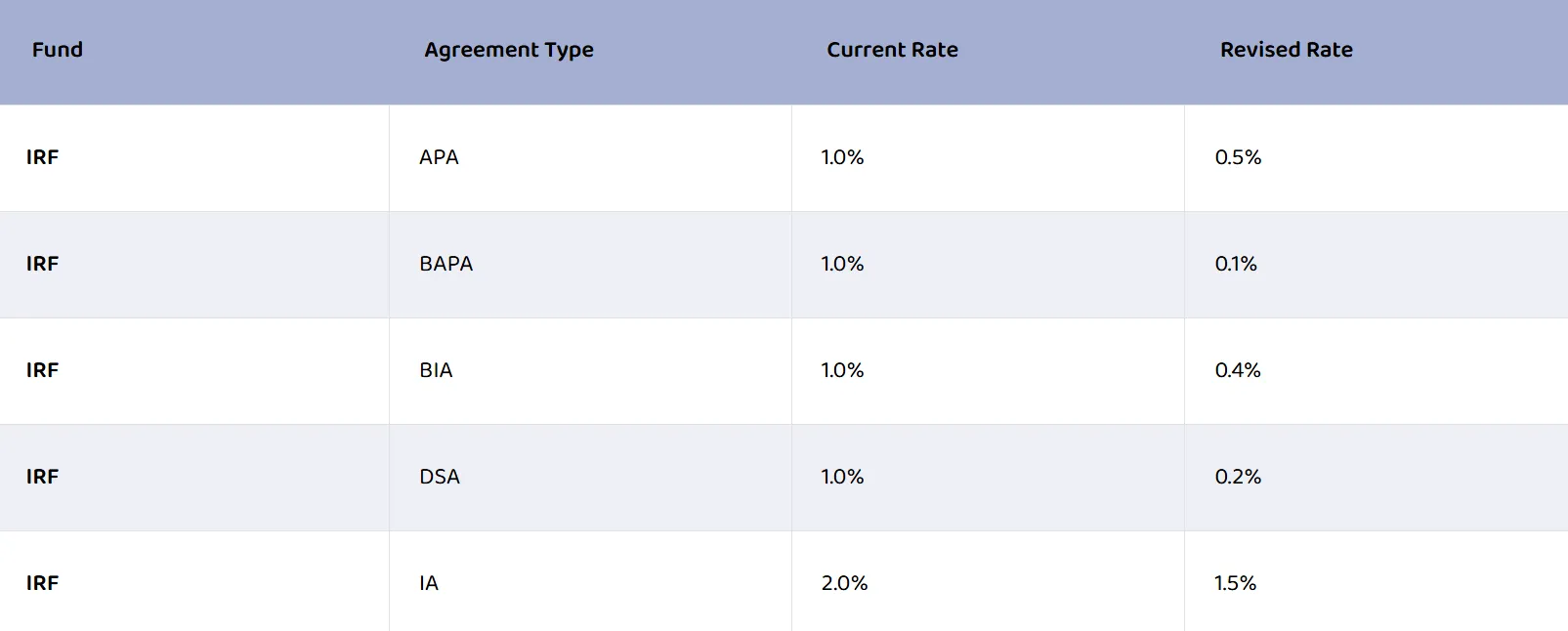
Changes to the Industry Risk Fund Fees can be seen below: