
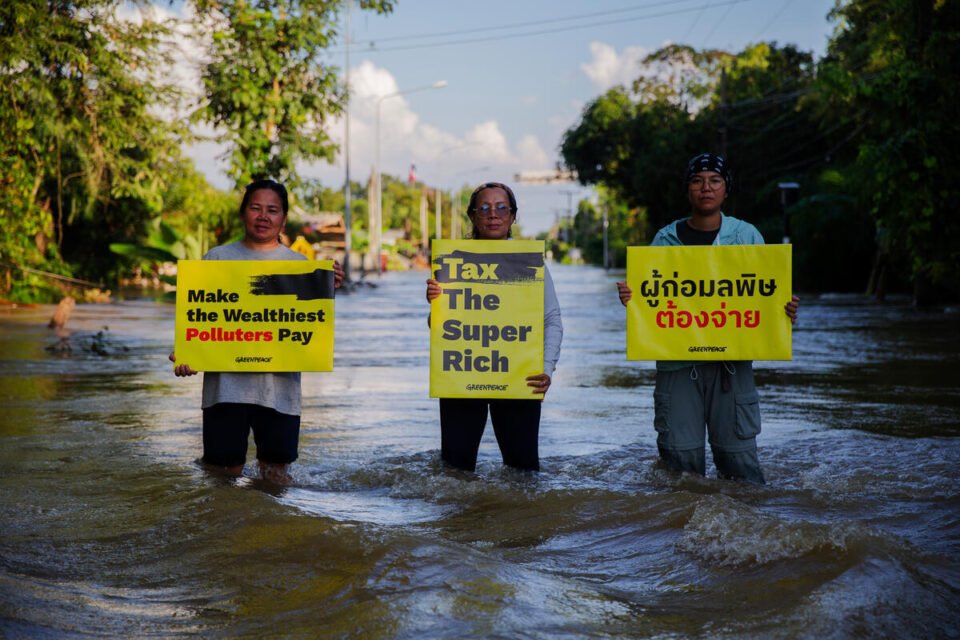
As governments, civil society, lawmakers and international financial institutions gather in Thailand for the International Monetary Fund (IMF) and World Bank Annual Meetings this week, they are convening against a backdrop of escalating extreme weather events around the world that makes the question of securing sufficient climate finance to fund solutions impossible to ignore.
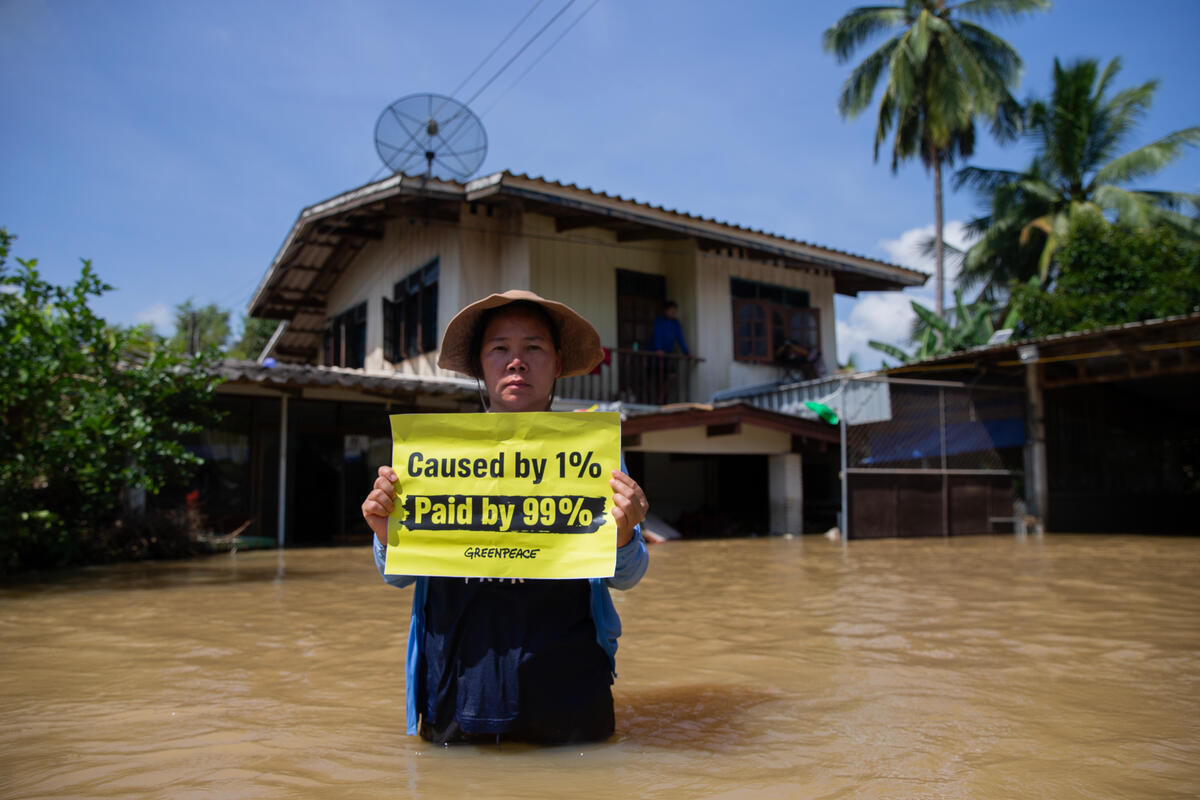
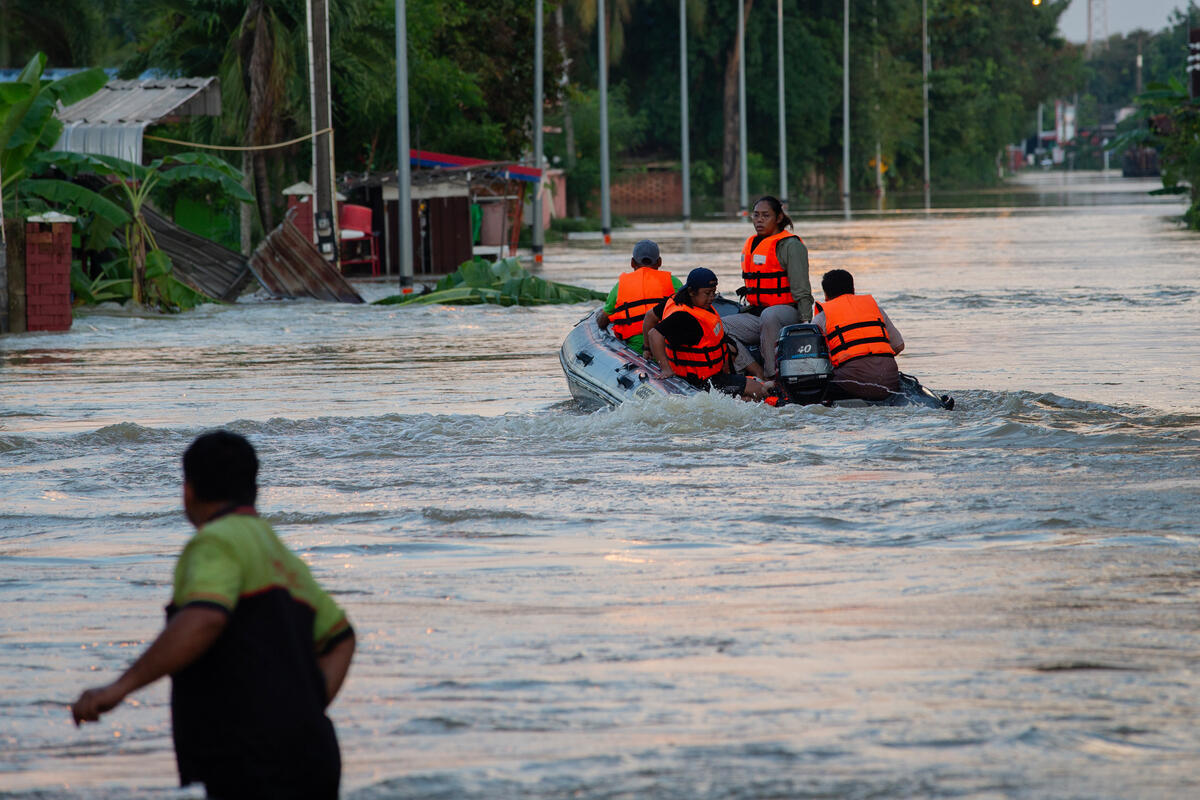
Bangkok, the host city for the meetings, recently declared a flood disaster as thousands had to flee from their homes. This summer, Europe experienced devastating heatwaves and wildfires. Just weeks ago, catastrophic floods and landslides in Nepal killed more than 1,250 people and left thousands missing, prompting the United Nations and humanitarian partners to launch a US$49.6 million emergency appeal.
These disasters are a reminder that sufficiently financing necessary climate action is not an abstract debate for future negotiations. People are already paying dearly for an accelerating climate crisis, while facing escalating food prices and higher energy bills. Yet the countries facing the greatest climate vulnerabilities remain trapped by repressive rules and conditions that constrain fiscal space, impose high debt burdens and pressure their governments to reduce public spending, while the wealthiest polluters are profiting from these crises without paying their fair share.
How is economic justice connected to climate justice?
As the climate crisis worsens, global policy responses are lagging behind the urgent need for securing sufficient funding for mitigation, adaptation, and loss and damage. Redesigning our domestic and global tax systems is central to shifting the burden of cost to the wealthiest polluters and for mobilising necessary resources for climate action.
The IMF and World Bank occupy a powerful position in the global financial architecture, and must adapt and respond to today’s polycrisis rather than further exacerbating it. Their approaches must reflect the realities countries face today, rather than further restricting public spending and deepening fiscal pressures. Their role should be helping countries reach their sustainable development goals and not further distancing them from it.
For decades, government budget cuts and higher taxes (austerity) have been central to the economic advice forced upon developing nations by the IMF and the World Bank, trapping them in a destructive cycle. The way governments raise revenue matters as much as how much revenue they raise. Many developing countries rely heavily on regressive indirect and consumption taxes and further exploitation and extraction of natural resources. Indeed, World Bank research shows that in several developing nations, steep taxes on basic goods leave low-income households bearing the brunt of the tax pressures.
Ordinary people should not be expected to carry an ever-increasing share of this burden while budget cuts and unsustainable debt strip away public investment meant to build a fairer and more resilient future those public funds are meant to secure.
How is the climate crisis linked to extreme wealth?
While those who contributed the least to the crisis are bearing the greatest impacts, the wealthiest and biggest polluters often get away with not paying their fair share. Recent research by Greenpeace Africa highlights a critical factor that is too often ignored in climate finance debates: who owns the assets driving global emissions?
Greenpeace Africa’s report, Understanding the Climate Debt of Extreme Wealth, finds that climate responsibility is far more concentrated when emissions associated with ownership and investment are considered.
In 2022 alone, the investments of the world’s richest 0.01% were associated with an estimated US$992 billion in climate debt, compared with US$405 billion in consumption-based climate debt.
This finding challenges traditional approaches to climate policy. Climate accountability cannot be understood only through what people consume. It must also account for what they own, where they invest and which economic activities their wealth enables and profits from.
Addressing this reality requires placing the taxation of high-net-worth individuals (HNWIs) and major corporate polluters at the center of the agenda. It means dutiful implementation of the polluter pays principle in our tax systems. It means looking at wealth and capital ownership alongside income, and ensuring that those who profit the most contribute more towards addressing the climate damage their investments caused.
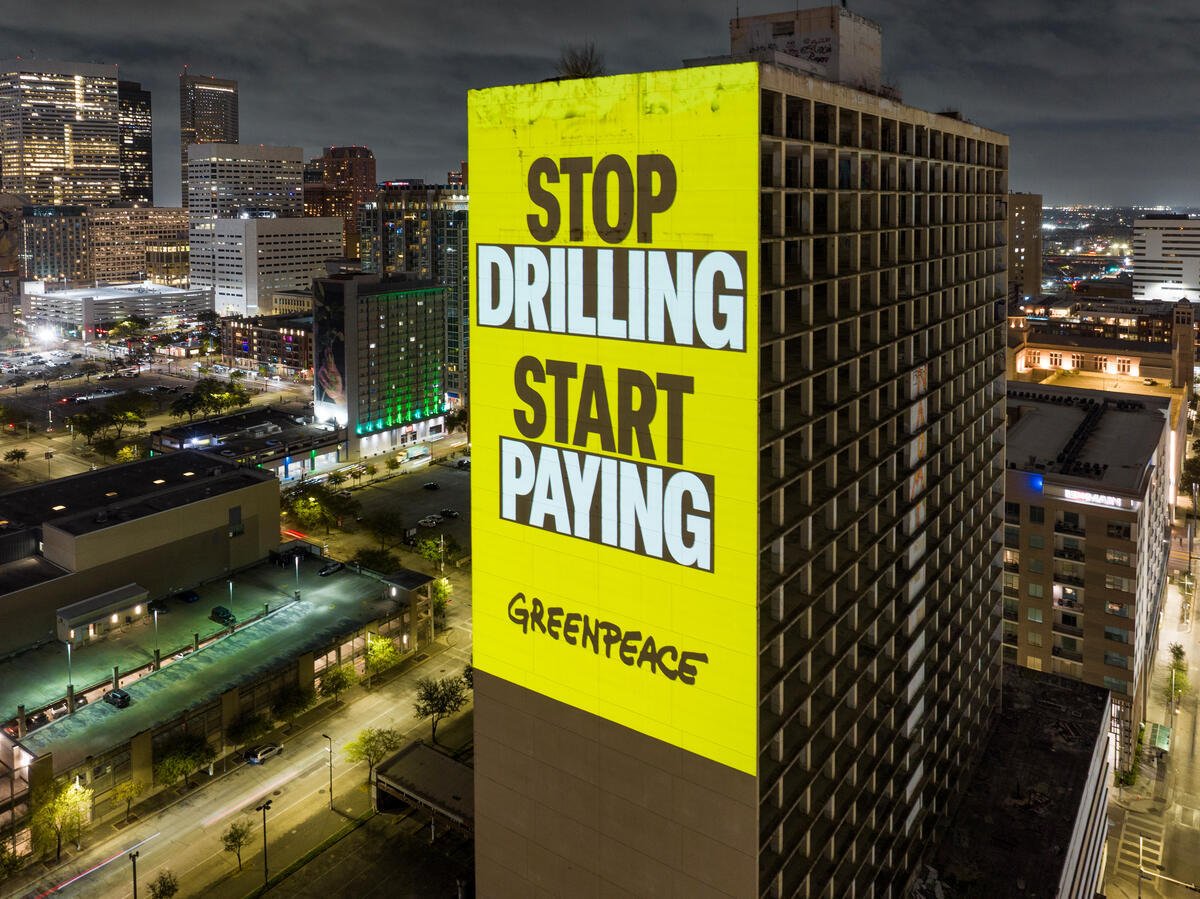
How do fair global tax rules protect people and the planet?
We need fairer tax systems that shift the burden to those who cause harm and profit from it, rather than relying on regressive consumption taxes. We need public investments that strengthens climate resilience and helps impacted communities rebuild, instead of being undermined by debt and austerity. Crucially we need international tax rules that address harmful tax practices strapping countries of billions of earned public revenues, and those that empower countries to hold multinational corporations accountable and raise the revenues they need.
This is why the negotiations for a strong and ambitious Global Tax Treaty at the United Nations (also known as United Nations Framework Convention on International Tax Cooperation) matter.
The UN process is working towards a global framework that can shape how taxing rights are allocated, how countries address cross border tax issues and how international tax cooperation works. It offers a historic opportunity to fix global tax rules so that they serve all nations equitably, enabling them to tax the wealthiest polluters and mobilize public resources.

Ultimately, this framework can give governments the authority to make the wealthiest polluters pay for the harm they have caused, unlocking trillions of dollars to fund just transition, renewable energy deployment, resilient infrastructure for impacted and vulnerable communities, and essential public services we all need.
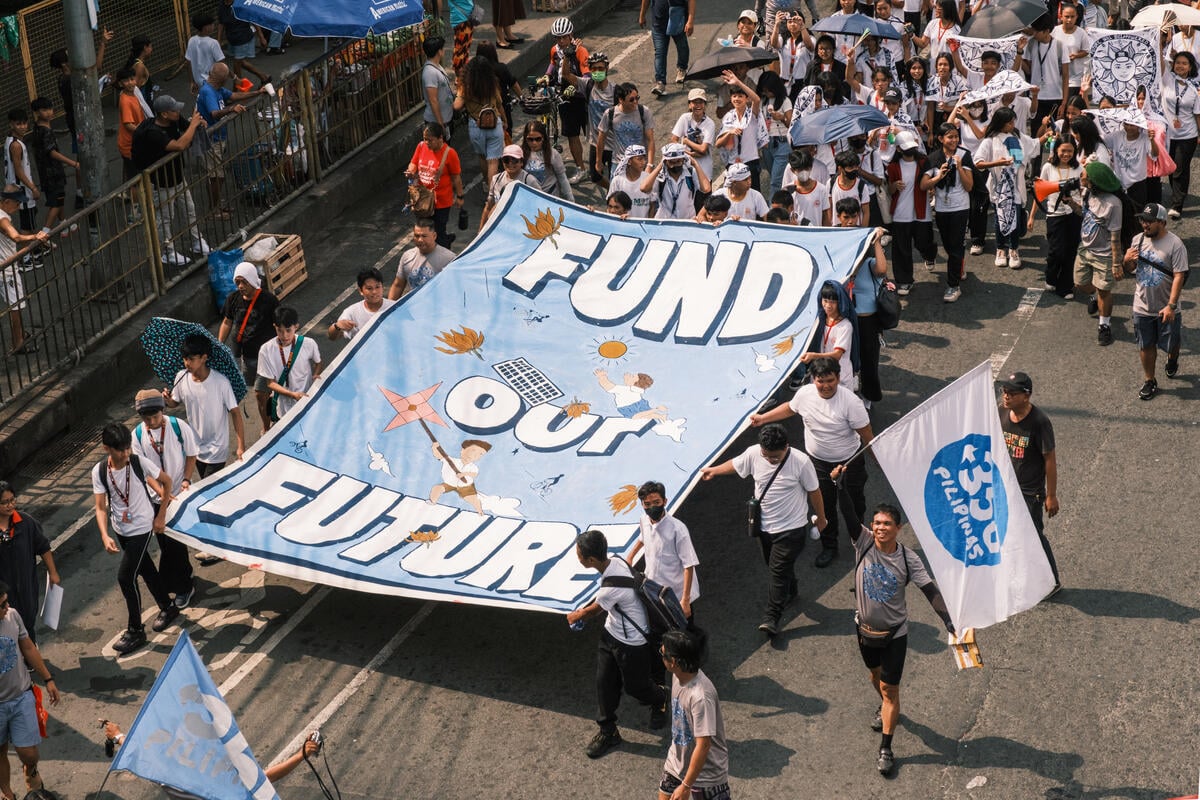
These discussions can not happen in vacuum or isolation, they must be brought directly into the IMF and World Bank meetings in Bangkok. These two institutions are currently perpetuating false solutions. In order to fund our future for generations to come, governments must be allowed to redesign their tax policies so that it benefits the majority and not just the wealthiest minority of people. Only by doing that will we stand a chance to achieve climate justice and a safe future for the people and the planet.
Ucizi Ngulube is a socio-environmental and tax justice campaigner with Greenpeace Africa.
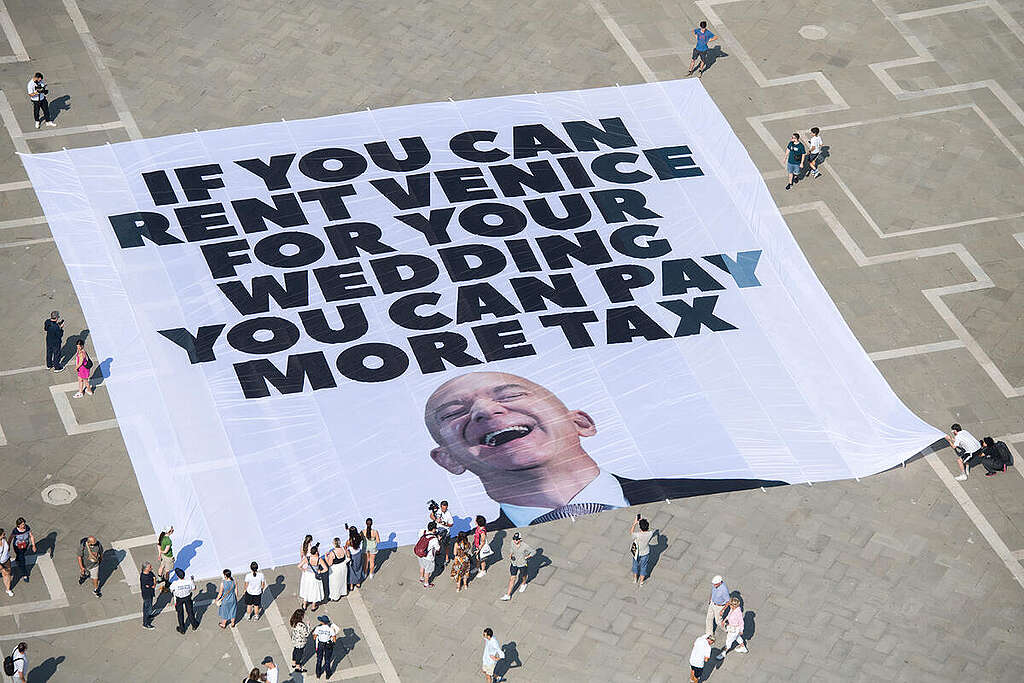
Tax the super-rich
Together, let’s urge governments to tax the super-rich and fund a green and fair future.