
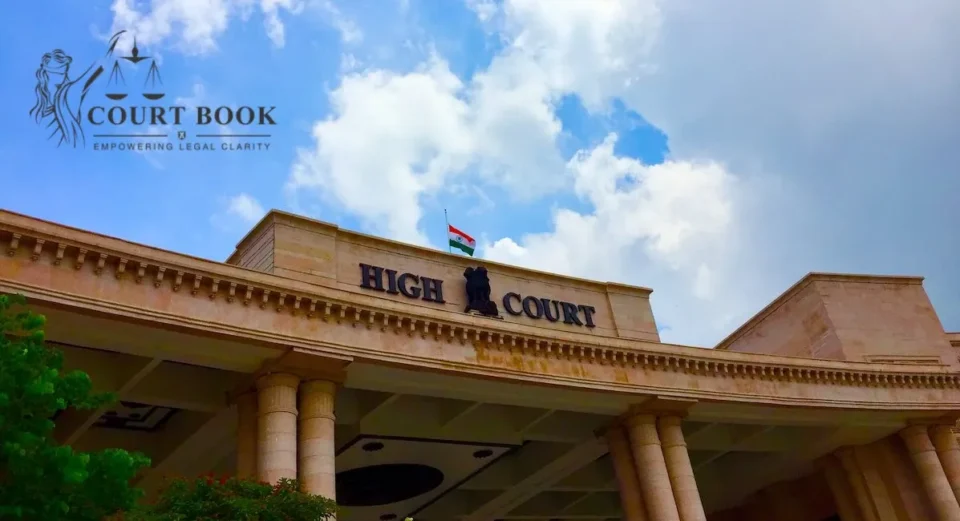
The Allahabad High Court held that police cannot interfere in private property disputes beyond maintaining law and order, reiterating that questions of title and possession must be decided exclusively by civil courts. – Indra Pati and Another v. State of U.P.
The Allahabad High Court’s Lucknow Bench has reiterated that police and executive authorities cannot interfere in private civil disputes relating to land ownership or possession, except to maintain law and order. While disposing of a writ petition filed by elderly petitioner Indra Pati and another, the Court emphasized that questions of title and possession must be decided only by competent civil courts.
Background of the Case
The petitioners approached the High Court seeking protection against alleged interference in their peaceful possession of land and claimed that they were being harassed by the police. They also requested directions restraining the authorities from disturbing them without any judicial order.
The Bench noted that the dispute was essentially a family property dispute in which a civil suit was already pending. Since the matter concerned private civil rights, the Court found no reason to exercise its extraordinary jurisdiction under Article 226 of the Constitution to grant the reliefs sought.
Counsel for the petitioners further alleged that the petitioner, who is over 85 years old, was repeatedly harassed by the police and that officers were allegedly siding with private respondents by obstructing construction on the disputed property.
Court’s Observations
The Division Bench of Justice Shekhar B. Saraf and Justice Abdhesh Kumar Chaudhary declined to examine allegations of police collusion in the present proceedings but observed that the broader issue of police interference in civil disputes required reiteration of settled legal principles.
The Bench observed,
“Police authorities and Executive officers have no jurisdiction to adjudicate or interfere in civil disputes relating to title, possession, or boundaries of immovable property between private parties, except to the limited extent necessary for maintaining public peace and preventing breach of law and order.”
Relying on several earlier Division Bench decisions, government orders and the Director General of Police’s Circular dated March 11, 2023, the Court reaffirmed that police personnel cannot decide property rights, deliver possession to either party or evict anyone in a civil dispute. Their role is confined to maintaining peace and forwarding complaints to the appropriate executive or revenue authorities where required.
The Court also warned that any deviation from the existing government directions could invite departmental as well as contempt proceedings against erring officials.
Decision
Disposing of the writ petition, the High Court granted liberty to the petitioners to pursue appropriate remedies before the competent authority or civil court for redress of their grievances.
Case Details
Case Title: Indra Pati and Another v. State of U.P. through Principal Secretary, Department of Home, Lucknow and 3 Others
Case Number: Writ – C No. 5045 of 2026
Judge: Justice Shekhar B. Saraf and Justice Abdhesh Kumar Chaudhary
Decision Date: July 27, 2026