
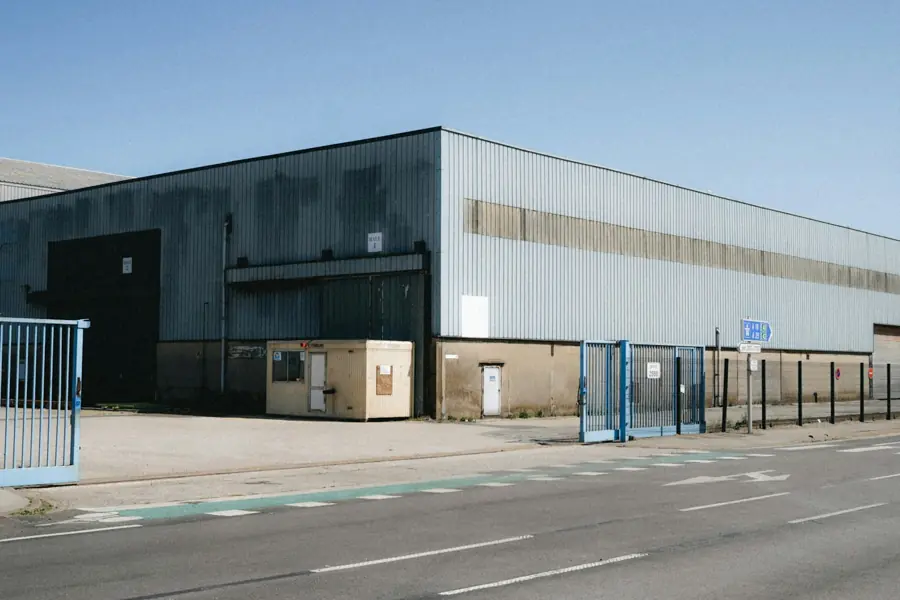
Key Takeaways:
- Industrial real estate is booming again in 2026 as demand for warehouses outruns the supply of new space.
- E-commerce, reshoring and a surge in data-centre construction are the three forces soaking up capacity, according to research from Prologis.
- With new deliveries running well below the pre-pandemic pace, landlords hold the pricing power, which points to firmer rents.
The least glamorous corner of property has quietly become one of its steadiest winners. Industrial real estate, the warehouses and distribution centres that keep modern commerce moving, is booming again in 2026, and the reason is refreshingly simple: more tenants want space than there is space to rent.
Research from PwC and the Urban Land Institute and from the warehouse giant Prologis points the same way. Prologis expects net absorption of around 200 million square feet across 2026, running ahead of roughly 180 million square feet of new deliveries. When demand outpaces supply, vacancies fall and rents firm up. That’s the whole thesis for industrial real estate in one line.
Three forces driving the industrial real estate boom
The first is e-commerce, and it never really went away. Online orders need roughly three times the distribution space of traditional store-based retail, because returns, faster delivery windows and deeper inventory all eat square footage. Prologis reckons e-commerce tenants will account for close to a quarter of new US warehouse leasing in 2026, up from around a fifth in 2025.
The second is reshoring. As companies pull supply chains closer to home, they need somewhere to make and store things. Prologis has flagged reshoring as a meaningful new source of demand, with manufacturing taking a growing share of fresh leasing across the Southeast and Central United States as companies move production closer to home.

An aerial view of a logistics park shows how much land modern industrial real estate now commands. Photo by Alex Reynolds on Unsplash
Warehouses used to be an afterthought in a property portfolio. Now they’re the main event, and the tenants have changed too.
The third force is the newest and, arguably, the most powerful: data centres. Compute demand has exploded, and the firms that build and supply data centres have gone from a rounding error to a serious slice of industrial leasing. Prologis has said data-centre suppliers roughly doubled their share of its new industrial leases in a year, and the company has laid out plans to scale its own data-centre capacity to as much as 10 gigawatts over the coming decade. As JLL research notes, the line between a warehouse and a data centre is blurring fast.
| Demand driver | Reported signal |
|---|---|
| E-commerce | ≈ 25% of new US warehouse leasing in 2026; needs ~3x the space of store retail |
| Reshoring | A growing driver as manufacturers move production closer to home |
| Data centres | Suppliers roughly doubled their share of new industrial leases in a year |
| Supply | New deliveries running well below the pre-pandemic average |

Large, well-located distribution centres like this are the scarcest, most sought-after industrial real estate. Photo by Esphera ArqEng on Unsplash
Why the supply side keeps landlords in charge
Booms usually invite a wave of building that eventually spoils the party. This time, the supply response has been muted. Higher construction and financing costs, plus a stretch of caution after an earlier building spree, have kept new deliveries running well below the pre-pandemic average. Prologis has flagged that the shortage is sharpest for large, well-located facilities, exactly the kind that e-commerce and data-centre tenants fight over.
That imbalance is what gives owners of industrial real estate their pricing power. It won’t last forever; rising bond yields raise the cost of holding property, and a serious economic slowdown would dent demand. But for now the fundamentals lean toward landlords.
What it means for investors and brands
For investors, industrial real estate offers a rare combination in property right now: structural demand drivers, constrained supply and tenants with deep pockets. For retailers and manufacturers, it’s a reminder that the warehouse is no longer a cost centre to be squeezed but a competitive weapon. The brands winning at delivery speed are usually the ones that locked in the right space early.
For related reading on how physical space is reshaping strategy, see our coverage of UNIQLO trading store numbers for prime locations and IHG’s conversion play in Kyoto, plus our real estate and business desks. The warehouse boom may be quiet, but it’s getting louder.
Where industrial real estate goes next
The near-term outlook for industrial real estate hinges on a simple race between demand and new supply. As long as developers stay cautious and financing stays expensive, the shortage of large, modern facilities should keep vacancies low and rents firm. A building surge or a demand shock would change that quickly, so investors are watching completion pipelines closely.
The wild card is power. Data centres want the same well-located, well-connected sites that logistics tenants do, but they also need enormous amounts of electricity. Access to the grid is fast becoming the constraint that decides which industrial real estate sites win, and the owners that lock in power capacity early will hold a real edge.
Quick questions on industrial real estate
Why is industrial real estate booming? E-commerce, reshoring and data-centre demand are all soaking up space at once, while new construction has run below the pre-pandemic pace.
What is the main risk? A wave of new development or a sharp economic slowdown could tip the balance back toward tenants and cool rent growth.
Rents, yields and the investor view
For property investors, the appeal of industrial real estate comes down to fundamentals that are hard to find elsewhere right now. Constrained supply and steady demand support rent growth, and long leases with creditworthy tenants make the income stream dependable. That combination has kept warehouses near the top of most investors’ shopping lists even as other property types wobble.
Rising bond yields are the counterweight. When safe government debt pays more, investors demand higher yields from property too, which can pressure valuations. The bet on industrial real estate is that rent growth is strong enough to offset that drag, and so far the numbers have largely backed that view.
Nearshoring adds another leg to the story. As manufacturing shifts toward Mexico and closer-to-home locations, cross-border logistics corridors are drawing fresh investment. Speciality niches like cold storage, which serves grocery and pharmaceutical supply chains, are commanding premium rents. Put together, these threads make industrial real estate less a single trade than a basket of overlapping tailwinds.
Editor’s Note: Global Brands Magazine covers the companies building the backbone of modern commerce. If your brand is shaping logistics and real estate, we’d love to hear from you.
Is Your Brand Among the Best in the World?
Global Brands Magazine recognises outstanding companies across 30+ industries and 100+ countries. Our awards are trusted by executives, investors, and media worldwide.
Trusted by 500+ brands across 100+ countries